





Measure Twice, Plan Once
Before any action, get intimately familiar with your space. Don't just estimate; measure your rooms, noting the dimensions of walls, awkward corners, and the space between doors and windows. The biggest mistake is buying furniture that overwhelms a room or blocks
a walkway. Keep a clear path of at least 24-30 inches in high-traffic areas to maintain a sense of openness. Sketching a simple floor plan helps you visualise where pieces can go. Identify 'dead zones'—like the space above doors or narrow corridors—that hold untapped storage potential. This initial assessment prevents costly mistakes and forms the foundation of a truly efficient home.
Think Vertically, Not Just Horizontally
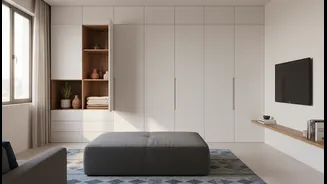
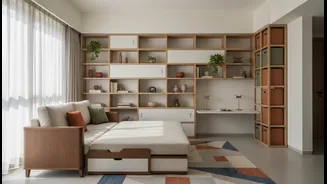
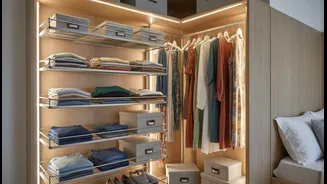
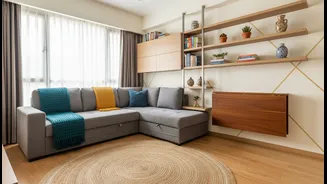
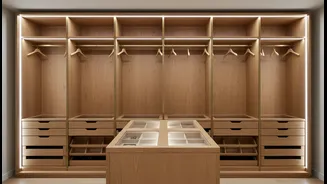
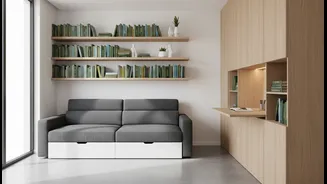
In small Indian apartments, the floor is premium real estate. The most effective strategy is to draw the eye—and your storage—upwards. Floor-to-ceiling wardrobes can increase your storage capacity by up to 30%, creating the perfect spot for luggage, winter blankets, and festive wear that are common in Indian households. In the kitchen, installing a second row of cabinets above the existing ones, or using tall pantry units, helps clear countertop clutter. Floating shelves in living rooms or above study desks can hold books and decor without occupying any floor space, making the room feel larger.
Demand Multi-Functionality from Your Furniture
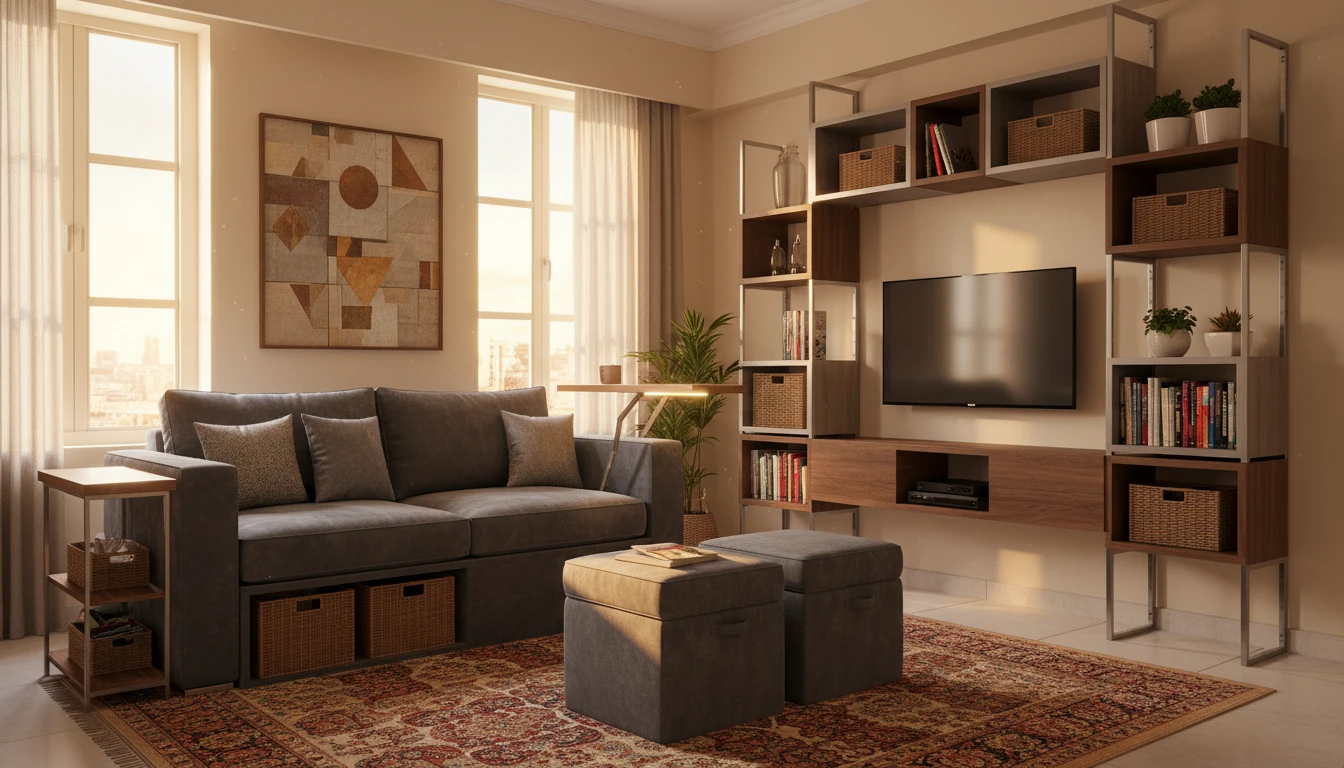
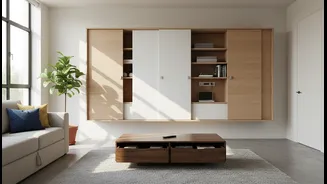
Every piece of furniture in a small flat should work hard. Multi-functional furniture is a necessity, not a trend. A sofa-cum-bed is a classic for a reason, instantly creating a guest room in the living area. Beds with hydraulic or drawer storage underneath are invaluable for stashing away extra bedding, seasonal clothes, and suitcases. Look for coffee tables with hidden compartments, ottomans that open up to store clutter, and foldable dining tables that can be tucked away when not in use. These dual-purpose pieces reduce the total number of items you need, freeing up precious square footage.
Custom-Built vs. Readymade: What’s a Better Fit?
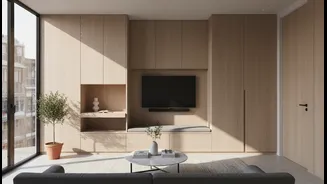
The choice between custom-made and readymade furniture depends on your space and budget. Readymade furniture is quick, convenient, and often more affordable. However, its standard sizes may not fit perfectly into the unique nooks and varied dimensions of many Indian flats, leading to wasted space. Custom-built furniture, while more expensive and time-consuming to create, is designed to fit your space exactly. A carpenter can build a wardrobe that fits into an awkward alcove or a storage unit that uses the otherwise wasted space under a staircase. For small or irregular rooms, custom solutions often provide better long-term value by maximising every inch.
Prioritise Accessibility and Organisation
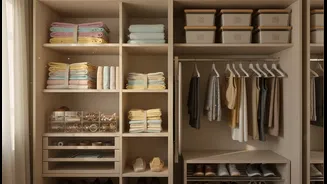
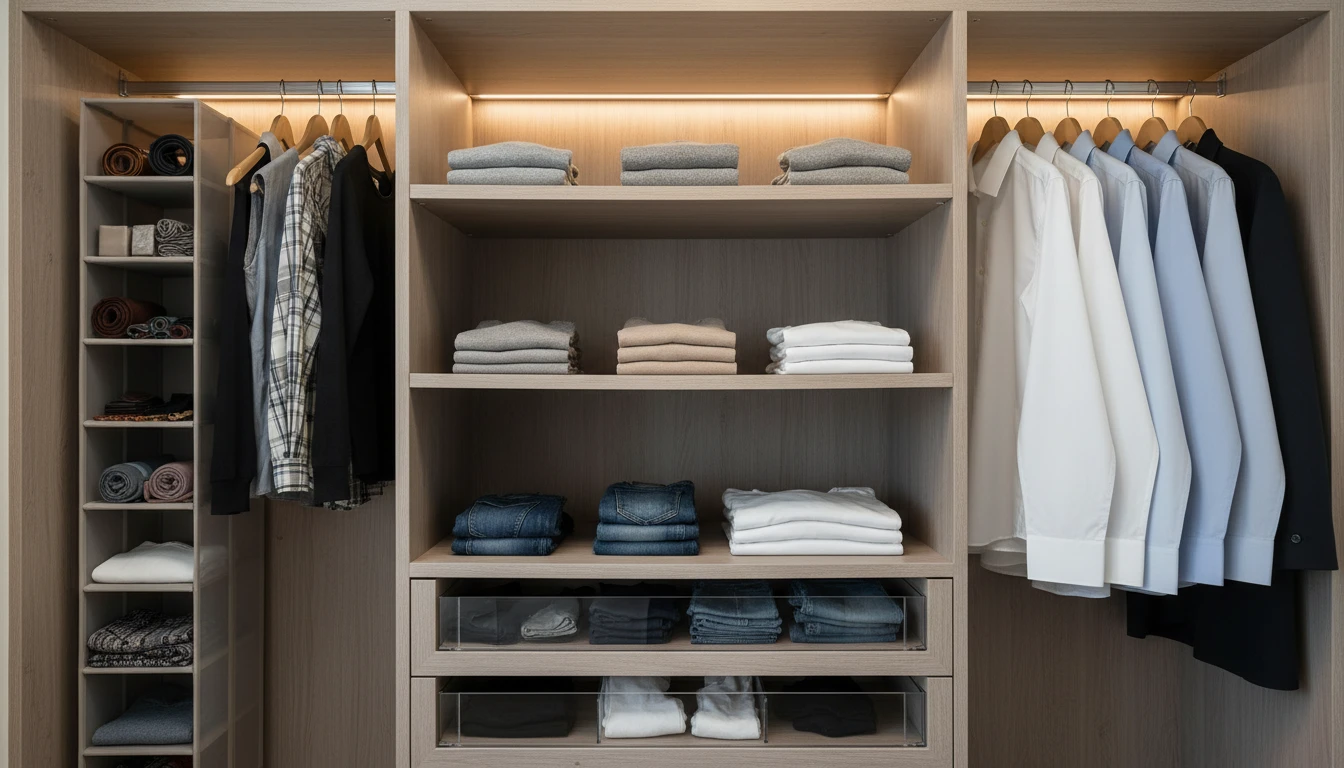
Storage is useless if you can't find or reach what you need. Plan for organisation from the start. Inside large cupboards, use drawer dividers, clear bins, and labelled boxes to keep smaller items sorted. For high cabinets or lofts, use them for things you access infrequently, like seasonal decorations or old photo albums. In the kitchen, modular solutions like corner carousels and slim pull-out pantry racks prevent you from having to rummage deep inside shelves. Even simple additions like hooks on the back of doors can create instant storage for bags, towels, or kitchen tools.