

The Kitchen Bottleneck Effect
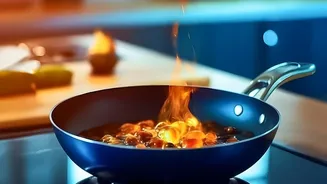
When you're preparing a large meal, workflow is everything. The moment you design a menu where multiple key components all require your favourite cast-iron skillet or the single large non-stick frying pan, you've created a bottleneck. This logistical
jam does more than just slow you down. It forces you into a stressful sequence of cooking, hastily washing, and immediately reusing the same pan. This rush can lead to timing errors, with some dishes getting cold while others are still cooking. It can also cause flavour contamination; the remnants of seared garlic from one dish might not complement the delicate sauce of another. The constant need to wash and dry that one essential pan adds extra labour and stress to what should be an enjoyable process.
Strategic Recipe Selection
The secret to a seamless cooking experience lies in planning a menu with varied cooking methods. Before you commit to your recipes, think about the equipment they require. A well-balanced menu won't just offer a variety of flavours and textures, but will also utilize a range of kitchen tools. Aim for a mix of dishes: one that simmers on a back burner, another that roasts in the oven, a fresh salad that requires no cooking at all, and a main that is pan-seared. This approach naturally staggers your workload and makes the best use of all your available kitchen space and appliances. When planning for guests, choose dishes you are comfortable making to reduce day-of stress.
Mastering Your Cookware Inventory
Take a moment to take inventory of your pots and pans. Understanding what you have is the first step toward using it effectively. You might realize you have a versatile Dutch oven that can go from stovetop to oven, or an extra saucepan you'd forgotten about. If you consistently find yourself short, it might be time to invest in a second go-to pan. Having two large frying pans can dramatically speed up the process, allowing you to cook different components simultaneously. This doesn't mean you need a massive collection; it's about having a few reliable and versatile pieces that prevent you from being dependent on a single item. Consider what you cook most often and ensure you have adequate tools for those tasks.
The Art of Prepping in Advance
Advanced preparation is a cornerstone of stress-free cooking. This concept, often called 'mise en place' in professional kitchens, involves getting all your ingredients ready before you even turn on the stove. You can chop vegetables, measure spices, and prepare marinades the day before. This strategy extends to your pan usage as well. Identify components of your meal that can be cooked earlier in the day, or even the day before. For example, you can toast nuts, sauté onions, or brown meat in your key pan first. Once that task is done and the component is set aside, the pan is free for the rest of your cooking session. This piecemeal approach breaks a large cooking project into manageable steps and frees up critical equipment.
Beyond the Pan: Alternative Appliances
Your stovetop and oven aren't the only tools at your disposal. Modern kitchen appliances can be your best allies in circumventing the single-pan problem. A slow cooker can handle a stew or a batch of pulled pork, leaving your stovetop and oven completely free. An air fryer is perfect for crisping up vegetables or side dishes without needing a pan at all. Even a microwave can be used to steam vegetables or pre-cook potatoes. By incorporating these time-saving appliances into your plan, you distribute the cooking load across multiple stations, creating a much more efficient and organized kitchen.