







A Major Expansion of Protected Areas
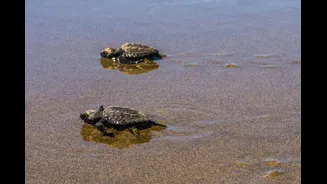
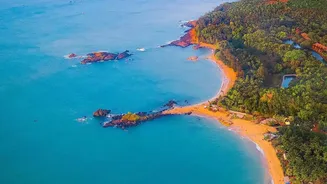
The Goa Forest Department has put forward a significant proposal to designate 24 beaches across the state as official turtle nesting sites under the Coastal Regulation Zone (CRZ) Notification of 2019. This list includes 10 beaches in North Goa and 14
in South Goa. While four beaches—Morjim, Mandrem, Agonda, and Galgibaga—are already recognized as primary nesting habitats, this new proposal seeks to include popular tourist hubs like Calangute, Baga, Candolim, Vagator, and Palolem. If approved by the Department of Environment and Climate Change, this designation would classify these areas as ecologically sensitive, triggering much stricter regulations.
Why the New Rules are Being Proposed
The push for greater protection comes amid concerns over the turtles' safety and a recorded decline in nesting numbers in some areas compared to previous years. Conservationists and the Forest Department have long flagged that artificial lighting from shacks and resorts, loud music from events, and general human movement on the beaches can disturb female turtles attempting to nest. This disturbance can cause them to return to the sea without laying eggs, a phenomenon known as a 'false crawl'. Furthermore, bright lights can disorient hatchlings, causing them to move inland instead of towards the sea, drastically reducing their chances of survival. The proposal aims to formally recognize these threats and implement legally enforceable measures to mitigate them.
Stricter Controls on Shacks and Events
Under the CRZ framework for sensitive zones, the new designation would likely lead to tighter controls on commercial activities during the nesting season, which typically runs from October to April. This could include a ban on loud music and parties after a certain hour, restrictions on artificial lighting facing the sea, and rules on the movement of vehicles on the beach. Existing regulations on designated turtle beaches already require shacks to operate without loud music or bright lights after 6 p.m. and to be constructed from eco-friendly materials. The new, expanded proposal could see similar rules applied more broadly, potentially impacting everything from beach shack operations to large-scale weddings and events held on these popular coastal stretches.
Concerns from the Tourism Industry
The proposal has sparked significant concern among those whose livelihoods depend on beach tourism. The Shack Owners Welfare Society has expressed apprehension, stating that declaring so many beaches as protected sites could negatively impact the entire tourism industry. Shack owners argue that they are not against conservation but feel the move is impractical during the peak tourist season. They are seeking clarity on what would be permitted and prohibited, emphasizing that their businesses, which can cost anywhere from Rs 15 lakh to Rs 1 crore to set up, need predictability. Some fear that overly stringent rules could drive traditional Goan operators out of business, paving the way for larger, outside interests. Traditional fishermen have also voiced concerns that the rules could spell the 'death knell' for their generational livelihood practices.
The Search for a Middle Path
At its core, the debate is about finding a sustainable balance between Goa's booming tourism economy and the preservation of its unique natural heritage. Proponents of the new rules point to data showing that when regulations, such as a 10 p.m. curb on loud music, are enforced, turtle nesting numbers see a phenomenal increase. However, business owners argue that tourism and conservation can and must coexist, and that they are willing partners in protection as long as the rules are clear and practical. The proposal is still under review, and the final decision will rest with the state's environmental authorities. This decision will involve navigating the complex task of mapping the precise nesting grounds and creating management plans that protect the turtles without completely halting the economic lifeblood of the coast.