
The Magic of a Master Gravy
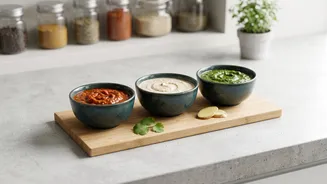
The concept is simple yet revolutionary for any home cook, especially those on a tight schedule. It’s the secret behind how Indian restaurants can serve a wide variety of curries in minutes. By preparing a large batch of a foundational curry base—or two,
in this case—you do the majority of the work once. You slow-cook onions, tomatoes, and spices to develop a deep, complex flavour that you can then use as a launchpad for dozens of different dishes throughout the week. This 'cook once, eat all week' approach saves time, reduces food waste, and ensures you have a flavourful, ready-to-go meal component waiting in your fridge or freezer.
The North Indian All-Rounder Base
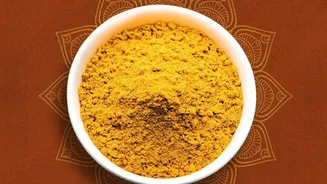
North Indian curries are often characterized by their rich, creamy textures and warming spices. The base is typically built on a foundation of onions, tomatoes, ginger, and garlic, often enriched with dairy like yogurt or cream. This recipe creates a versatile, bhuna-style masala that is perfect for a wide range of popular dishes. To make it, slowly sauté finely chopped onions in oil until they are deeply golden brown. This step is crucial for flavour. Add ginger-garlic paste, followed by powdered spices like turmeric, coriander, and a mild red chilli powder. Finally, add pureed tomatoes and cook until the oil begins to separate from the masala. This base is thick, aromatic, and forms the heart of many Punjabi and Mughlai-style dishes.
The South Indian Coconut Dream Base
South Indian cuisine offers a brighter, often tangier and spicier flavour profile, frequently featuring coconut, tamarind, and curry leaves. This base is lighter and brings a completely different character to your meals. Start by tempering mustard seeds and curry leaves in coconut oil until they pop and become aromatic. Add onions and green chillies, sautéing until soft. While North Indian bases rely on slow-cooked tomatoes for body, this one often incorporates coconut milk for creaminess and a touch of tamarind for a sour note. Spices like turmeric and coriander are common, but the finishing notes of fresh curry leaves and the nuttiness of coconut oil make it distinctly Southern. This base is less a thick paste and more of a flavour-infused starting point for stew-like curries.
Unlocking Your Weekly Menu
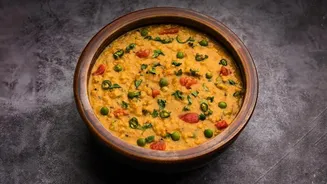
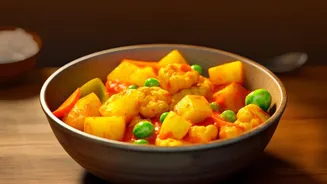
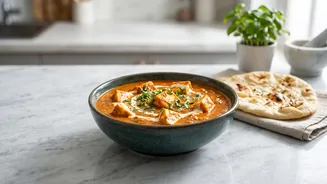
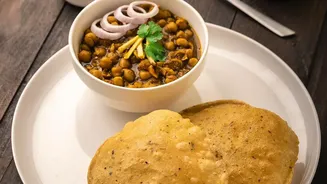
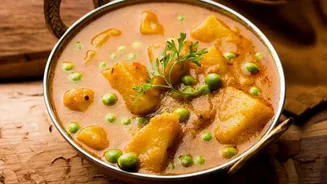
With these two bases prepped, making dinner becomes a 15-minute affair. For the North Indian Base: thin it with a little water or stock, add cubed paneer and a splash of cream for a quick Paneer Butter Masala; toss in boiled chickpeas for a hearty Chana Masala; or simmer it with leftover cooked chicken for a simple Chicken Bhuna. For the South Indian Base: add mixed vegetables and more coconut milk for a fragrant Avial-style curry; poach fish fillets in the simmering base for a quick Meen Kozhambu; or add boiled eggs for a speedy Egg Curry. The possibilities are nearly endless, from pasta sauces to savory pie fillings.
Smart Storage for Lasting Flavour
Proper storage is key to preserving the freshness and flavour of your hard work. Once cooked, allow the bases to cool completely to room temperature. For short-term use, you can store them in an airtight container in the refrigerator for up to a week. For longer-term storage, freezing is the best option. You can portion the bases into small containers or, for ultimate convenience, freeze them in ice cube trays. Once frozen solid, transfer the cubes to a zip-lock bag. This allows you to grab just a few cubes—the perfect amount for a single serving—whenever you need them. The bases can last for up to three months in the freezer without a significant loss of flavour.