





What is FD Laddering?
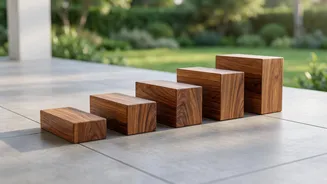
Fixed deposit laddering is a strategy where you divide a lump-sum investment into multiple FDs with different maturity dates, instead of putting the entire amount into a single one. Think of it like building a staircase for your money. Each FD is a step,
and each one matures at a different time—for example, one every year. This approach is designed to solve two common problems for investors: the need for regular access to funds (liquidity) and the desire to earn better returns over time. By staggering the maturity dates, you ensure that a portion of your money becomes available at regular intervals, which you can either use for expenses or reinvest.
The Twin Benefits: Liquidity and Higher Yields
The primary advantage of laddering is that it provides both liquidity and the potential for higher returns. With a portion of your investment maturing periodically, you have a predictable cash flow without having to break an entire FD and pay a penalty. This is incredibly useful for managing planned expenses or unexpected emergencies. Secondly, laddering helps you manage interest rate risk. If you lock all your money into a single long-term FD and interest rates go up, you miss out. With a ladder, as each shorter-term FD matures, you can reinvest that amount into a new long-term FD at the prevailing, potentially higher, rate. This allows you to average up your interest earnings over time, blending the security of fixed rates with the flexibility to adapt to changing market conditions.
How to Build Your Own FD Ladder
Creating an FD ladder is simpler than it sounds. Let's walk through an example. Suppose you have ₹5 lakh to invest. Instead of opening one 5-year FD, you can build a five-step ladder. 1. Divide Your Corpus: Split the ₹5 lakh into five equal parts of ₹1 lakh each. 2. Stagger the Tenures: Invest each part into a separate FD with a different tenure: a 1-year FD, a 2-year FD, a 3-year FD, a 4-year FD, and a 5-year FD. Generally, longer tenures offer higher interest rates. 3. The Reinvestment Cycle: At the end of the first year, your 1-year FD will mature. You can now take that ₹1 lakh (plus interest) and reinvest it into a new 5-year FD. Why five years? Because it typically offers the best interest rate. 4. Maintain the Ladder: When the original 2-year FD matures in the following year, you do the same: reinvest it for a 5-year term. After a few years of this cycle, you will have a ladder where all your FDs are 5-year deposits, but one matures every single year, giving you perfect liquidity while maximising your returns.
Important Things to Keep in Mind
While FD laddering is a powerful tool, there are a few points to consider. First, the interest earned from fixed deposits is taxable. It is added to your annual income under "Income from Other Sources" and taxed according to your income tax slab. Banks are required to deduct Tax at Source (TDS) at 10% if your total interest income from all FDs with that bank exceeds ₹40,000 in a financial year (₹50,000 for senior citizens). If your total income is below the taxable limit, you can submit Form 15G or 15H to the bank to prevent TDS deduction. Also, consider diversifying your FDs across different banks to spread risk and potentially access more competitive interest rates. Finally, while laddering helps manage the risk of changing rates, it doesn't eliminate it. If rates fall, your maturing FDs will be reinvested at lower rates.