





The Promise of a Personalised Plate
For decades, dietary advice has been based on broad guidelines for the average person. But as anyone who has tried a popular diet knows, what works for one person may not work for another. Enter the era of large-scale nutritional science, headlined by
ambitious projects like the PREDICT studies. These landmark efforts, involving thousands of participants, set out to crack the code of individual responses to food. By tracking blood sugar, blood fat levels, and gut microbiome composition in real-time, researchers aimed to move beyond the one-size-fits-all model and understand why we all process the same meal so differently. The central idea was to use this data to finally enable truly personalised nutrition.
What the Studies CAN Tell Us
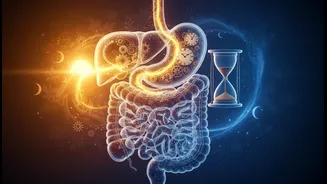
The primary revelation from this research is just how unique our bodies are. Studies confirmed that two people can eat the exact same meal and have wildly different blood sugar and fat responses. This variability is influenced by many factors, but the gut microbiome—the trillions of bacteria living in our digestive tract—emerged as a star player. The composition of your gut microbes has a major say in how you metabolise food, sometimes even more so than your own genes. The research also powerfully reinforced some existing wisdom: diets rich in diverse, plant-based foods tend to cultivate a healthier gut microbiome, which is associated with lower risks for conditions like heart disease and diabetes. Conversely, ultra-processed foods were found to be the strongest predictors of low microbial diversity, a marker often linked to poorer health outcomes.
The Key Takeaway: Individuality is King
The most significant contribution of this research is the scientific validation that there is no single 'best' diet for everyone. The studies provide strong evidence that our internal ecosystem is a critical factor in our overall health. They show that post-meal blood sugar and fat levels are highly personal, meaning that a food that is 'healthy' for one person might cause problematic metabolic spikes for another. This insight helps explain why generic diet plans often fail in the long term. It shifts the focus from vilifying specific nutrients, like carbs or fats, to understanding an individual’s holistic response to whole foods and dietary patterns. The message is not just what you eat, but how your unique body and its microbial residents handle it.
What the Studies CANNOT Tell You
While fascinating, these studies are not a magic bullet. They cannot give you a perfect, personalised meal plan without direct, individual testing—often involving continuous glucose monitors and stool sample analysis, which can be expensive. The findings are based on population-level data and associations; they identify trends, but they don't prove that a specific microbe will cause a specific outcome in you. Furthermore, many of the key conclusions—eat more plants, limit processed foods, and maintain a healthy weight—are not new. The research largely provides a new, high-tech mechanism to explain why traditional dietary advice works. It’s a confirmation, not a complete reinvention, of healthy eating principles.
So, What Should You Eat Today?
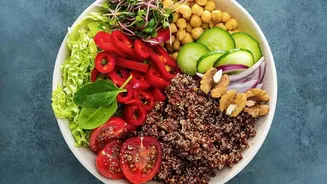
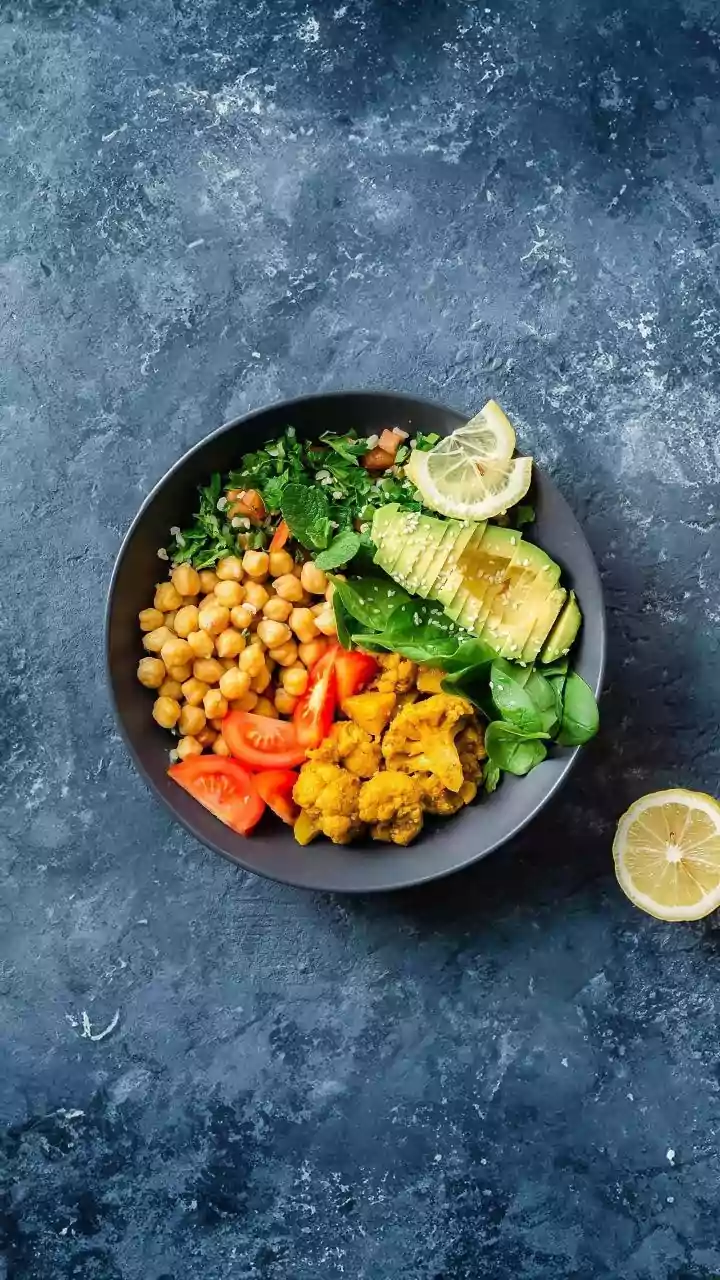
You don’t need an expensive testing kit to apply the core lessons from this research. The most powerful, practical advice is to focus on nurturing your gut microbiome through your diet. The simplest way to do this is to increase the variety of plant-based foods you eat. Aiming for 30 different types of plants per week—including fruits, vegetables, nuts, seeds, whole grains, and legumes—is a great goal. This diversity feeds a wider range of beneficial gut microbes. Pay attention to how different foods make you feel. If you feel sluggish after a particular meal, it might be causing a significant blood sugar spike. You can manage this by pairing carbohydrates with protein, fat, and fiber. These foundational habits are free and accessible to everyone.