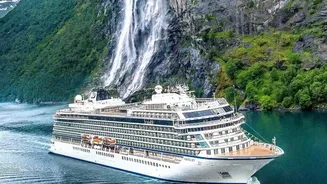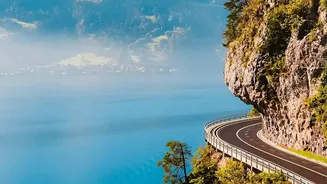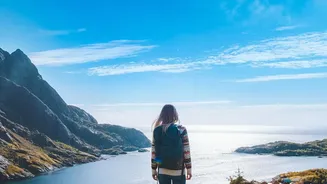


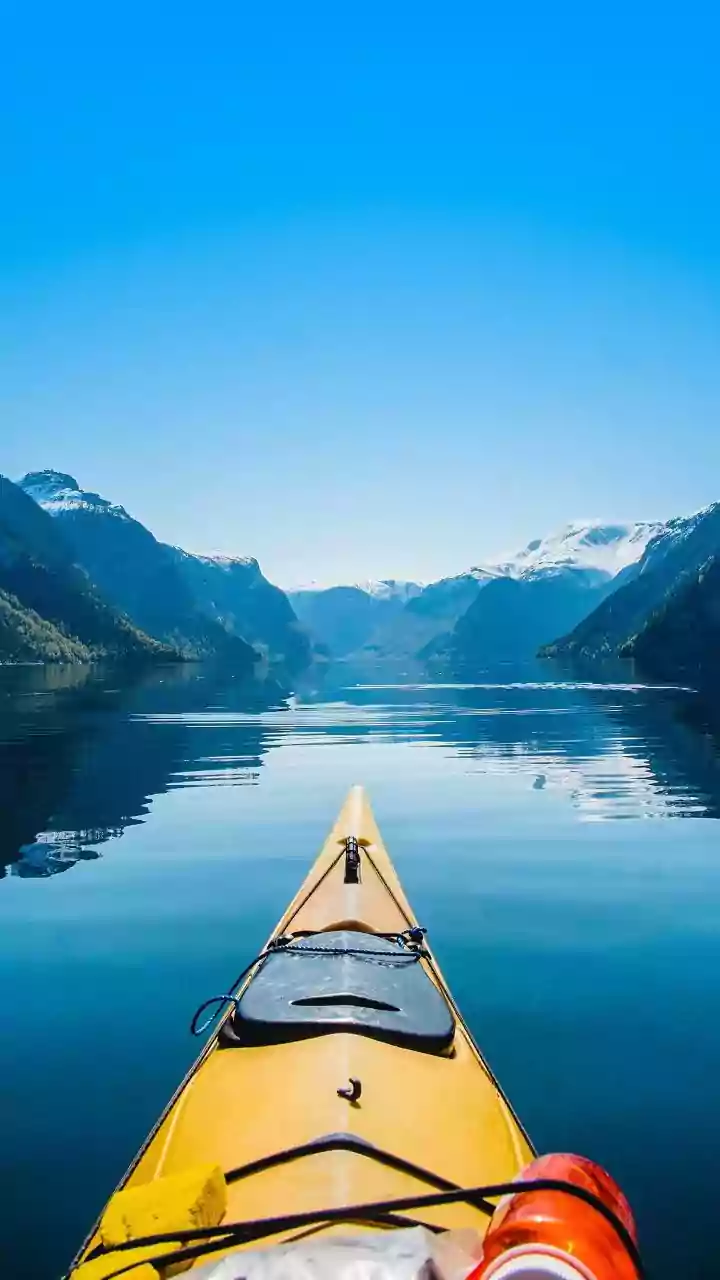


Beyond the classic image of cruising through tranquil waters, a different kind of fjord experience awaits. Exploring on foot offers a profound connection to these landscapes, where every coastal path and cliffside trail tells a story of geological time.
Reading the Landscape
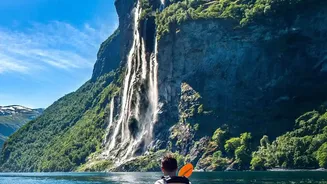
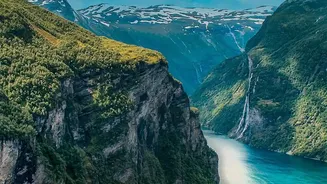
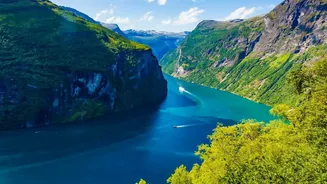
The quintessential fjord journey often involves gazing up from the deck of a boat, mesmerised by the sheer rock walls. But to truly understand these dramatic inlets, you need to walk their edges. A fjord is a U-shaped valley carved by immense glaciers during the Ice Ages, which was later flooded by the sea. This process took millions of years, and the evidence is written all over the landscape. Coastal walks and guided hikes offer a chance to read this history directly. You can see how tributary valleys were left 'hanging' high above the main fjord, creating a landscape dotted with spectacular waterfalls. You can touch the very rock that was scraped and sculpted by ice, and learn how the land is still rebounding today now that the immense weight of the glaciers is gone.
Norway: Where Giants Collided
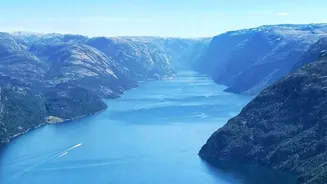
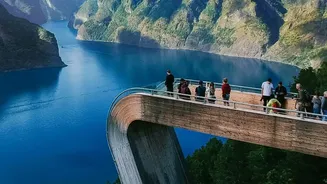
Norway is the heartland of fjords, with over 1,700 etching its coastline. Here, walking trails offer more than just stunning views of places like the Lysefjord or Sognefjord; they offer a lesson in planetary history. A prime example is the Fjord Coast (Fjordkysten), a UNESCO Global Geopark. Hikes here reveal the remnants of the Caledonian Mountain Range, which formed around 400 million years ago when ancient Europe and North America collided. These mountains were once taller than the Himalayas. On a walk, a guide might point out how the rocks are folded and crumpled, evidence of this colossal impact, or show you deposits of conglomerate—the compressed remains of ancient mountains that were washed down into valleys. Trails around iconic spots like Preikestolen (Pulpit Rock) and Kjeragbolten offer not just thrilling vistas but a tangible link to the immense forces that shaped the land.
Scotland: Where Lochs Tell Tales
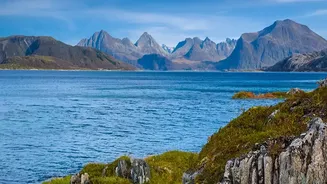
In Scotland, the same glacial processes carved deep sea lochs, which are geologically similar to fjords. Coastal walking paths, like sections of the West Highland Way or routes on the Isle of Skye, blend this natural history with rich human stories of clans and castles. You can walk trails in Glencoe, a valley notorious for a 17th-century massacre, and see the 'lost valley' where the Macdonald clan reportedly hid rustled cattle. Many walking tours combine visits to historic sites like Duart Castle or the Glenfinnan Viaduct with hikes along the shoreline. These walks showcase a landscape where every glen and loch is tied to legends, Jacobite history, and the relentless power of ice that scoured the Highlands thousands of years ago. Guided walks are available for all levels, from gentle coastal strolls to more challenging Munro bagging.
Iceland: Fire, Ice, and Water
Iceland's fjords, particularly in the remote Westfjords and Eastfjords, offer a unique geological narrative where glacial power meets volcanic activity. Hiking here is an exercise in contrasts. Trails might lead you along a serene fjord coastline before ascending into a landscape marked by ancient lava flows and steaming geothermal vents. Specialised tours focus on the country's living geology, explaining how the land is still being actively shaped. You can walk ancient mountain routes between fjords, explore landscapes forged by recent eruptions, or hike to the edge of dramatic bird cliffs like those at Látrabjarg. The Hornstrandir Nature Reserve, one of the most remote areas in the country, offers multi-day treks through a wilderness of starkly beautiful fjords, where you can see the only native glacier in the Westfjords, Drangajökull. This is a place to witness the raw interaction of fire and ice firsthand.