








The Primal Call for Comfort
There's a universal truth to a rainy day. As the temperature dips and the world outside turns a monochrome grey, our instincts pull us inward, seeking warmth and sanctuary. This is where the great culinary divide happens. You could reach for something
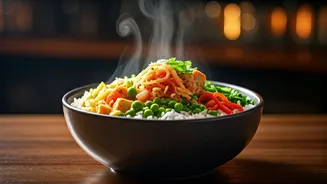
from a packet—a cold, crunchy, and ultimately soulless snack. Or, you could answer the call for something that truly nourishes the spirit: hot food. The battle isn't even close. The act of eating a warm meal during a downpour is less a choice and more a fulfillment of a deep-seated need for comfort, a ritual that connects us to our senses and our memories.
A Warm Hug from the Inside
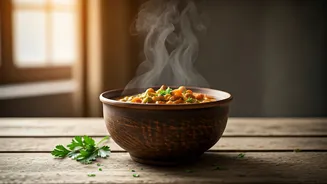
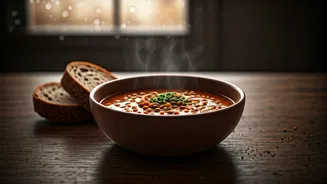
The preference for hot food in cool, damp weather isn't just a whim; it's rooted in our physiology. When our surroundings are cold, our bodies work harder to maintain a stable internal temperature. Consuming warm food and drinks provides a direct, immediate source of thermal energy. It’s like giving your internal thermostat a helping hand. A cup of hot chai or a bowl of soup doesn't just feel good on your tongue; it sends warmth radiating through your core, helping you relax and feel physically more comfortable. Cold snacks, on the other hand, force your body to expend energy to heat them up during digestion, offering a fleeting taste sensation without the profound, lasting comfort of warmth.
The Psychology of a Hot Meal
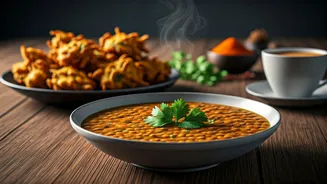
Beyond the pure physics of temperature, the psychological power of hot food is immense. For many of us, warm meals are inextricably linked to feelings of care, safety, and community. Think of the food you were given when you were sick as a child—most likely a warm soup or a simple, hot dish. These associations are powerful. The aroma of frying pakoras or simmering dal evokes memories of home, of family gatherings, and of being looked after. This phenomenon, often called 'comfort food,' is a form of self-soothing. The steam rising from a plate, the need to eat it slowly, the way it fills the air with its scent—all these sensory inputs create a mindful experience that forces us to slow down and be present, a stark contrast to the mindless munching of a cold, processed snack.
An Explosion of Flavour
Temperature dramatically affects how we perceive taste. Warmth helps to volatilise aromatic compounds in food, meaning the smells—and therefore the flavours—are more intense and complex. The delicate spices in a samosa, the fragrant ginger in a cup of adrak chai, or the earthiness of a hot bowl of mushroom soup are all amplified by heat. Cold temperatures, conversely, tend to numb our taste buds and suppress flavour. This is why a cold, leftover slice of pizza is a shadow of its former self. Random cold snacking is often a one-note experience dominated by salt or sugar. A freshly prepared hot snack offers a symphony of tastes and textures that engages the senses and provides genuine culinary satisfaction.
The Ritual of the Rainy Day
In India, the monsoon is a season of specific culinary rituals. The first rains are practically a national signal to start frying pakoras. The sound of sizzling batter hitting hot oil is as much a part of the monsoon soundscape as the rain itself. Street vendors selling roasted corn on the cob (bhutta), slathered with lemon and masala, do brisk business. A plate of steaming hot Maggi noodles becomes an acceptable meal at any time of day. These aren't just food choices; they are shared cultural experiences. They are about huddling together, sharing a plate, and watching the rain from a dry, cozy spot. This communal aspect is something a solitary bag of crisps can never replicate. It’s a celebration of the weather, turning a potentially gloomy day into an opportunity for connection and simple joy.