







Choose Your Destination Wisely
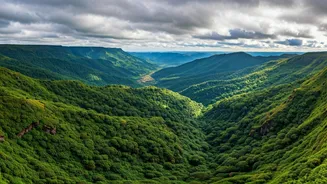
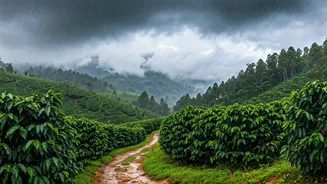
The allure of mist-covered hills in Coorg and Chikmagalur is strong, but these popular destinations often face the brunt of heavy rainfall, leading to landslide risks and road closures. While still accessible, they demand caution. For a less risky but equally
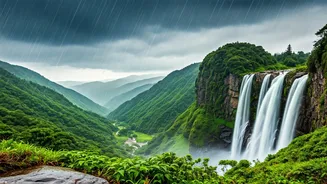
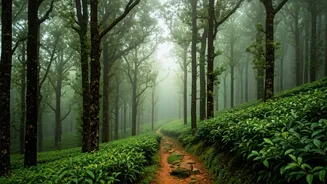
rewarding trip, consider destinations like Sakleshpur, known for its serene coffee estates, or Horsley Hills in Andhra Pradesh, which is generally safer than the steep ghats. Waterfalls like Shivanasamudra are spectacular during the monsoon, but always check accessibility and avoid getting too close, as water levels can surge unexpectedly. For trekking enthusiasts, many popular trails may be closed for safety. Opt for well-marked, beginner-friendly treks like Nandi Hills or Anthargange and consider hiring a local guide.
Mastering Monsoon Driving
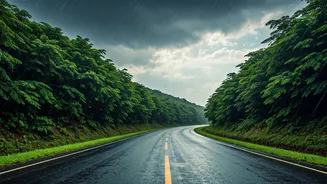
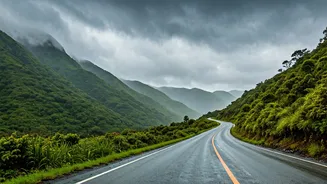
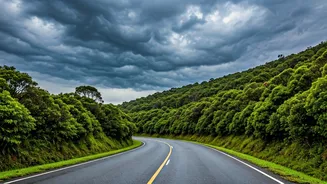
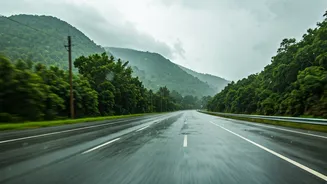
Driving during the monsoon requires your full attention. Roads can be slippery, riddled with potholes, and prone to waterlogging. Key routes like the Shiradi Ghat and Charmadi Ghat are notorious for being slick and may face temporary closures during heavy downpours. Always check your vehicle before you leave, paying special attention to tyre treads and windshield wipers. Driving during the daytime is highly recommended as fog and mist can severely reduce visibility, especially in the hills. Keep a safe distance from other vehicles, drive slowly, and use navigation apps for real-time traffic updates and potential diversions. It’s wise to avoid routes known for frequent landslides, particularly during late evening hours.
Pack for the Wet and Wild
Your packing list for a monsoon trip is different. A high-quality raincoat or poncho is non-negotiable. Choose quick-drying synthetic fabrics over cotton, which stays wet and cold. Sturdy, waterproof footwear with excellent grip is essential for navigating slippery trails and wet roads. Given the high humidity and forested terrain, leeches are a common nuisance; carry insect repellent and a small pouch of salt as a precaution. Power cuts are frequent in hill stations during the rains, so a fully charged power bank is a lifesaver. It's also smart to pack a basic first-aid kit, a torch, and extra pairs of socks to keep your feet dry and comfortable.
Stay Informed and Flexible
The weather in the mountains is famously unpredictable. Before and during your trip, monitor weather forecasts from reliable sources like the India Meteorological Department (IMD). Yellow and orange alerts are common and indicate a need for caution, while a red alert may mean it's safer to postpone your plans. Many homestays and resorts in popular destinations like Coorg and Chikmagalur offer flexible booking policies during heavy rain alerts, so check with your accommodation beforehand. The most important rule is to prioritize safety over adventure. Don't take unnecessary risks like crossing swollen streams or standing at the edge of waterfalls. A well-planned, cautious approach ensures you can fully embrace the beauty of the monsoon without incident.