




The Life-Defining 'Suneung'
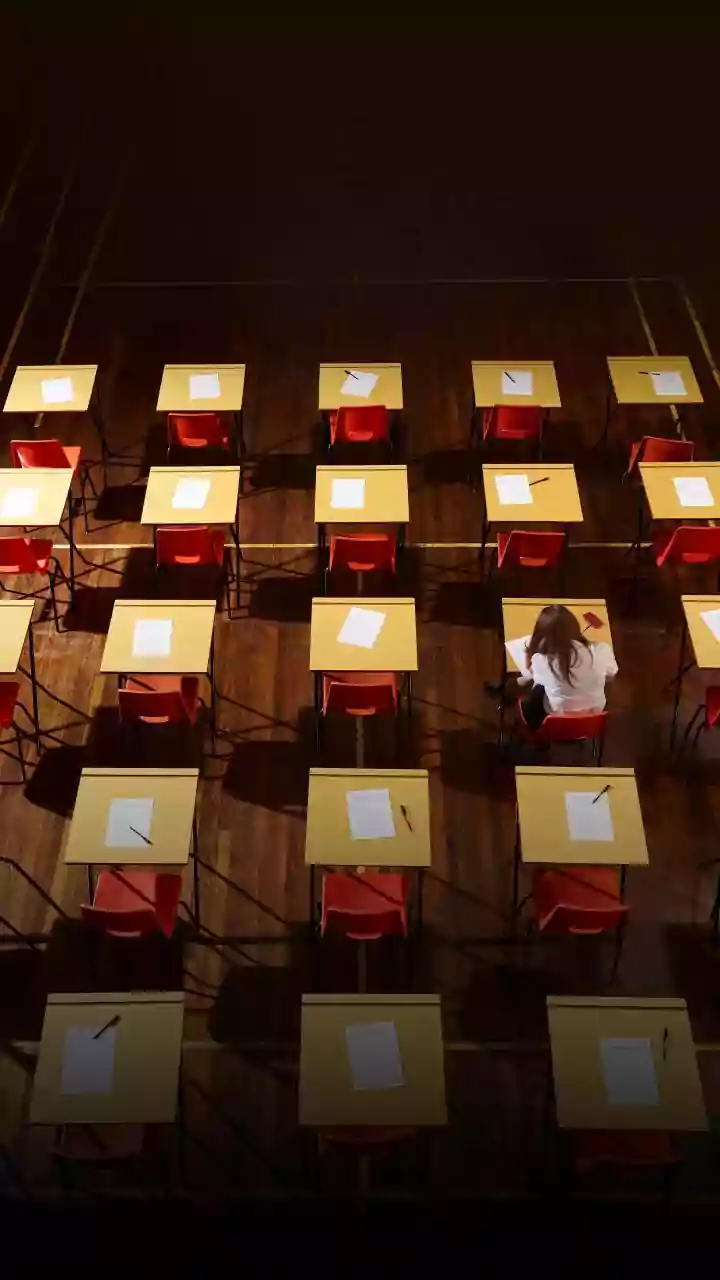
Known officially as the College Scholastic Ability Test (CSAT), the Suneung is an eight-hour marathon exam held on the third Thursday of November each year. For hundreds of thousands of high school seniors and graduates, this single day is the culmination
of their entire academic lives. The score they receive is seen as a pivotal factor in securing a place at a prestigious university, which in turn is believed to strongly influence their future career prospects, income, and even social standing. The test covers multiple subjects including Korean, mathematics, English, Korean history, and other electives, with students facing a relentless barrage of roughly 200 questions from morning until early evening. The immense weight placed on this one exam has earned it a reputation as one's of the world's most demanding academic assessments.
A Nation on Pause
To ensure students can perform at their best, the entire country transforms its daily routine. On exam day, many government offices and companies delay their opening time to 10 a.m. to clear the roads for students heading to test sites. The stock market also opens an hour late. Public transport is bolstered, with extra subway trains running during the morning rush. Police are on standby to provide emergency escorts for any student running late, a common sight on local news broadcasts. Perhaps the most dramatic measure is the nationwide 'no-fly' zone. During the 35-minute English listening portion of the test, all airport takeoffs and landings are halted, and planes already in the air must maintain an altitude of at least 3 kilometres to prevent engine noise from disrupting the students. Even military drills are paused to maintain a quiet environment.
The Pressure Cooker
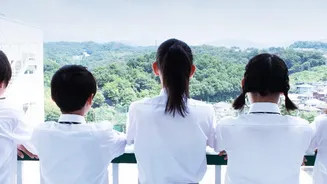
The pressure leading up to the Suneung is immense and begins years in advance. Many students spend their afternoons and evenings at private cram schools, known as 'hagwons,' in a relentless cycle of study and practice tests. The competition is fierce, as a high percentage of graduates pursue higher education but only a tiny fraction gain entry into the country's top-tier 'SKY' universities (Seoul National University, Korea University, and Yonsei University). The share of repeat test-takers—graduates who sit for the exam again to improve their score—has also been rising, adding another layer of competition for current high school students. This intense environment has been linked to significant psychological stress, anxiety, and depression among young Koreans.
A Day of National Ritual
Suneung day is steeped in cultural traditions. Families and friends gather outside test centres, holding signs and chanting words of encouragement to cheer on the nervous students. It is common for parents to spend the day praying at Buddhist temples or churches for their children's success. A popular good-luck gift is 'yeot', a type of sticky taffy, based on the belief that its stickiness will help the desired knowledge 'stick' in the students' minds. These rituals underscore the collective nature of the event, where a student's success is seen as a family and community achievement. The intense national focus is also reflected in the lengths taken to ensure the exam's integrity; the 500 or so professors and teachers who write the exam questions are sequestered for over a month with no outside contact until the test is over.
A System Under Scrutiny
Despite its central role in Korean society, the Suneung system faces growing criticism. Many argue that its emphasis on rote memorisation stifles creativity and critical thinking. Concerns about fairness are also prevalent, as wealthier families can afford expensive private tutoring, potentially giving their children an advantage. In recent years, fears over cheating, particularly using AI and miniature cameras, have led to even stricter measures, including inspections of students' clothing and the use of emergency mobile alerts to detect powered-on phones in exam rooms. These new pressures, combined with the exam's mental health toll, have fuelled an ongoing national debate about reform, with some education officials even proposing to phase out the Suneung entirely by 2040.