



The Power of Texture in Garden Design
When designing a garden, it's easy to focus solely on colourful flowers. However, professional designers know that texture is the secret to a truly captivating space. Texture adds depth, complexity, and visual interest that colour alone cannot provide.
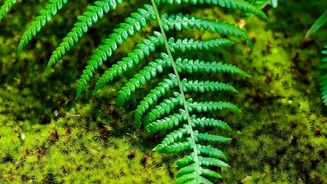
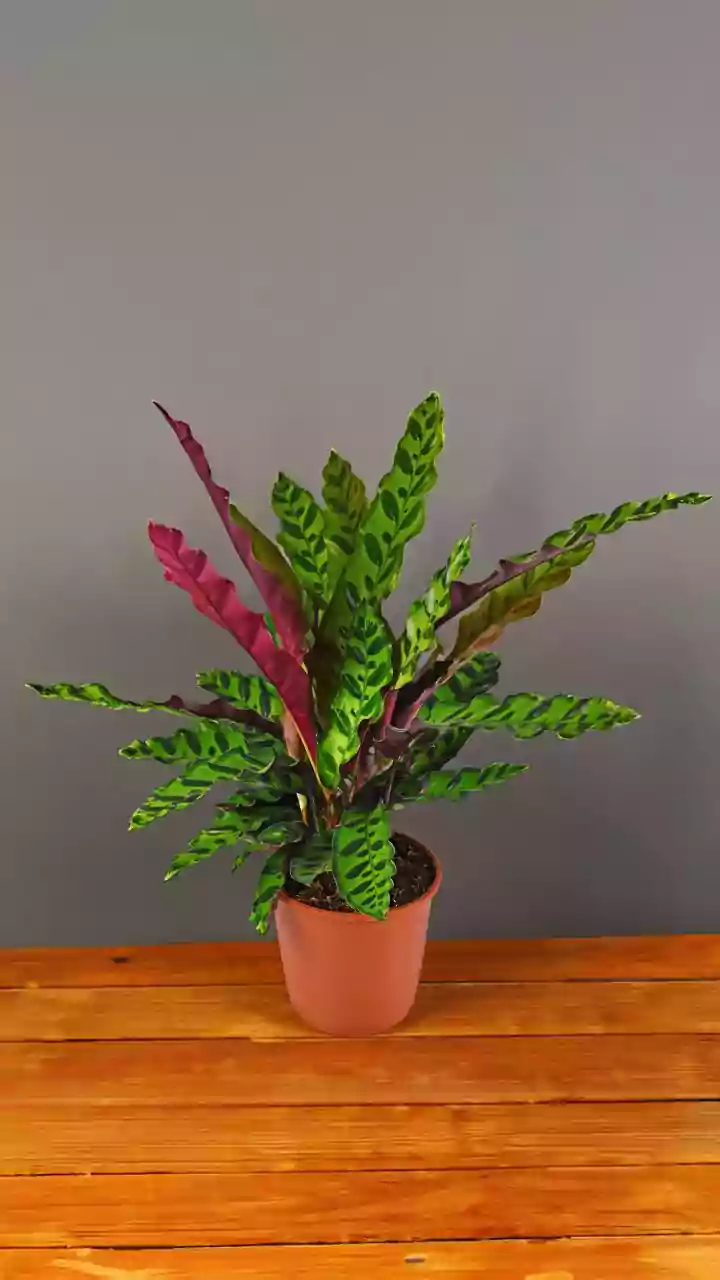
This is where ferns excel. With their intricate, feathery, and often delicate fronds, ferns introduce a soft, lush quality that contrasts beautifully with broad-leafed plants, smooth stones, or rough bark. Their varied forms—from the classic arching fronds of a Boston Fern to the bold, solid leaves of a Bird's Nest Fern—create a rich tapestry of green, transforming a flat, uninteresting area into a dynamic, multi-layered scene. This play of textures makes a garden feel more natural, immersive, and visually satisfying throughout the year.
Nature’s Masters of the Shade
Ferns are ancient plants that evolved millions of years ago, thriving on forest floors beneath dense tree canopies. This evolutionary history makes them uniquely adapted to low-light conditions. Unlike sun-loving plants that require hours of direct light for photosynthesis, ferns have developed efficient ways to capture the dappled, indirect light that filters through to the ground. This natural predisposition for shade is a huge advantage for home gardeners. Those areas under large trees, along north-facing walls, or in narrow side passages that cause other plants to fail are precisely where ferns feel most at home. By choosing ferns, you are not fighting against your garden's conditions but working in harmony with them, ensuring healthier plants with less effort.
Top Ferns for Indian Home Gardens
India's tropical and humid climate is ideal for a wide variety of ferns. For those looking to fill their shady spots, a few varieties stand out for their beauty and resilience. The Boston Fern (Nephrolepis exaltata) is a classic choice, celebrated for its long, cascading fronds that are perfect for hanging baskets or spilling over the edges of pots. The Bird's Nest Fern (Asplenium nidus) offers a different aesthetic with its wide, glossy, and undivided fronds that form a rosette, providing a bold, modern look. For something more delicate, the Maidenhair Fern (Adiantum) features gentle, fan-shaped leaflets on thin, black stems, adding a touch of fragile elegance, though it requires more consistent moisture. Finally, the Staghorn Fern (Platycerium) is a unique epiphyte, often mounted on boards or trees, with dramatic, antler-shaped fronds.
Essential Care and Planting Tips
While generally low-maintenance, ferns have a few key requirements to thrive. Most importantly, they prefer consistently moist but well-drained soil. Waterlogged roots can lead to rot, so good drainage is crucial. Amending the soil with organic matter like compost will help retain moisture while preventing sogginess. As tropical natives, ferns love humidity. In drier climates or indoors, you can increase humidity by misting the plants regularly or placing them on a tray of pebbles and water. Ferns prefer indirect light; direct sun can scorch their delicate fronds. Finally, it's best to keep their leaves clean from dust, as this allows them to absorb the limited light more efficiently and wards off pests.
Creating a Layered Look with Companion Plants
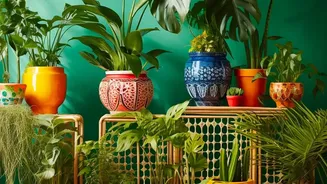
Ferns are team players and look even more spectacular when paired with other shade-loving plants. The key is to combine different textures, shapes, and shades of green. The bold, colourful leaves of Caladiums and the broad, patterned foliage of Hostas provide a stunning contrast to the fine texture of most ferns. Flowering shade plants like Begonias, Impatiens, and the graceful white blooms of the Peace Lily can introduce pops of colour against a backdrop of fern greenery. For a natural woodland feel, pair ferns with other low-maintenance plants like Aspidistra (the Cast Iron Plant) or under the canopy of larger shrubs like Azaleas and Rhododendrons. This layered approach creates a lush, full, and visually interesting garden that looks effortlessly natural.