




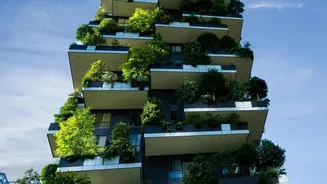
From Space-Saving Hack to Lifestyle Statement
For years, vertical gardening was a practical but often clunky solution for city dwellers with no balcony or yard space. The goal was simple: grow upwards when you can't grow outwards. Traditional methods involved basic trellises for climbing plants,
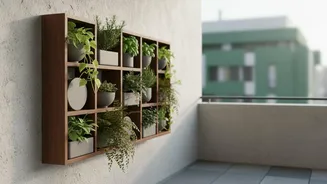
simple wall-mounted pots, or DIY projects with recycled bottles. While effective for saving floor space, the primary motivation was utility. The new trend, however, reframes the entire concept. It's no longer just about cramming a few plants onto a wall; it's about transforming that wall into a living, breathing feature of the home. This shift is driven by a deeper desire among urban residents in India to connect with nature, improve their environment, and enhance their well-being, a concept known as biophilic design.
The 'New' Rules of Going Vertical
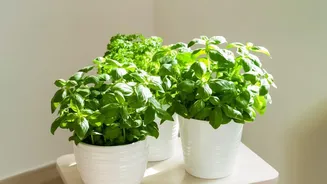
So what has changed? The new approach to vertical gardening is smarter, more integrated, and more ambitious. First, aesthetics are paramount. It's about creating 'living walls' that serve as art. This is part of the larger biophilic design trend, which integrates natural elements into our built environment to reduce stress and improve air quality. Second, technology has made vertical gardens more accessible and efficient. Smart systems with automated watering, nutrient delivery, and integrated LED grow lights are no longer just for commercial farms. Brands like Gardyn and Lettuce Grow offer sleek, app-controlled towers that make indoor farming almost hands-off, allowing you to grow everything from lettuce to strawberries in your living room. Third, there is a growing emphasis on growing food. The desire for fresh, pesticide-free produce is driving many to turn their walls into mini-farms, growing herbs like mint and basil, or vegetables like cherry tomatoes and spinach.
More Than Just a Pretty Wall
This evolution changes the entire argument for using vertical space. The 'case' is no longer just about saving space. The new case for vertical gardening is about wellness, sustainability, and food security. Having a living wall in your home is proven to boost mood, reduce stress, and improve focus. Plants are natural air purifiers, filtering out common indoor pollutants. For families in cities, this is a significant health benefit. Furthermore, growing even a small portion of your own food reduces your carbon footprint, cuts down on food miles, and gives you access to the freshest possible ingredients. These sophisticated systems can use up to 95% less water than traditional soil-based gardening, making them a highly sustainable choice. The modern vertical garden is a multi-purpose home upgrade: it’s a pantry, an air purifier, a therapist, and a piece of art all in one.
Getting Started: Your Vertical Garden in India
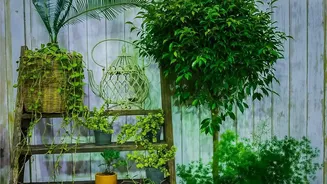
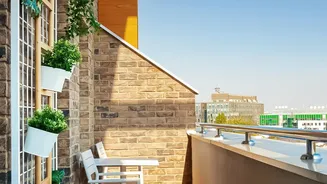
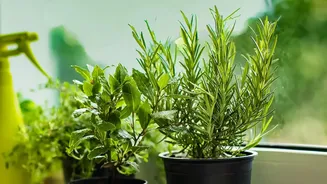
Embracing this trend in an Indian home is easier than ever. You don't need to invest in an expensive hydroponic system right away. Start simple. Use a sunny balcony wall for a tiered stand with pots of tulsi, mint, and coriander. An old ladder can be repurposed as a rustic plant stand for a corner that gets good light. For edible greens, consider vining plants like Malabar spinach which thrive in our climate and are perfect for trellises. When choosing plants, consider your local conditions—the intensity of the sun on your balcony and the humidity. Lightweight coir or fibre pots are often better and safer for balcony railings. The key is to start with what you have. Look at your empty walls and railings not as limits, but as opportunities to create a green space that nurtures both you and your environment.