






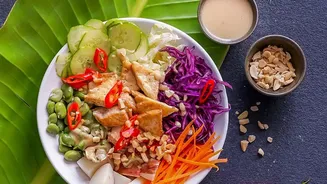


The New Festive Aesthetic
In bustling urban homes from Mumbai to Bengaluru, the sights and sounds of festive preparation are taking on a new texture. While the aromas of traditional delicacies remain the same, the serving ware is undergoing a conscious transformation. Young Indian
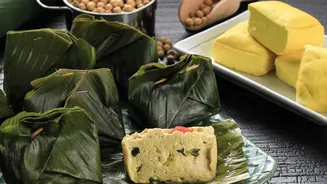
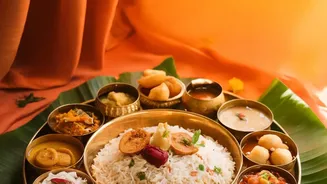
hosts, increasingly aware of their environmental footprint, are spearheading a move away from single-use plastic and paper plates. Instead, they are embracing materials that are both eco-friendly and deeply rooted in Indian culture. This trend sees vibrant, elaborate meals being served on fresh banana leaves, complemented by ingredients sourced directly from farmers' markets. It’s a thoughtful blend of modern sustainability and age-old wisdom, transforming the festive feast into a statement of conscious consumption without sacrificing the spirit of abundance and hospitality. This shift is part of a larger trend, with reports indicating a significant rise in consumers opting for eco-friendly choices during festival seasons.
A Return to Banana Leaves
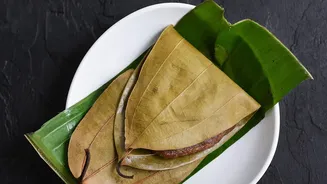
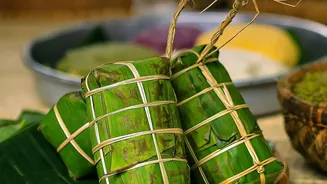
The choice of banana leaves is more than just an eco-friendly alternative; it is a revival of a practice that is sensible and scientific. For centuries, especially in South India, banana leaves have been the traditional platter for feasts. They are completely biodegradable, returning to the soil and enriching it after use. Unlike plastic, they don't release harmful chemicals when hot food is placed on them. In fact, banana leaves contain natural antioxidants called polyphenols, similar to those found in green tea, which are believed to be released into the food, adding a subtle health benefit. The leaf's natural waxy coating imparts a faint, earthy aroma that enhances the flavour of the dishes served upon it. This practice also encourages a more mindful way of eating, often associated with sitting together and enjoying the community aspect of a shared meal.
From the Farm to the Festival
Alongside the revival of traditional serving ware is a growing emphasis on the source of the food itself. Young hosts are increasingly prioritizing fresh, local, and organic produce for their festive cooking. This farm-to-festival approach supports small-scale farmers and reduces the carbon footprint associated with transporting ingredients over long distances. The post-pandemic era has seen a surge in awareness about the health and environmental benefits of eating locally and seasonally. Farmers' markets and community-supported agriculture (CSA) models are gaining traction in cities, providing urban dwellers with direct access to chemical-free produce. This conscious sourcing ensures that the festive meal is not only delicious but also nourishing and sustainable, reflecting a deeper connection to the food and the people who grow it. Chefs and food influencers are also championing this movement, further popularizing hyperlocal ingredients.
More Than Just a Meal
This sustainable mindset extends beyond the dining table. The entire celebration is being reimagined through an eco-conscious lens. Decorations now feature natural elements like flowers, leaves, and jute instead of plastic and thermocol. Some are even repurposing old sarees and dupattas for a colourful, zero-waste festive decor. Earthen lamps (diyas) are favoured over synthetic lighting, and even rangoli is being created with biodegradable materials like flower petals and coloured rice flour. This holistic approach demonstrates a fundamental shift in values, where the act of celebrating is intertwined with a sense of responsibility towards the planet. It reflects a generation that is not just celebrating a festival, but also their heritage and a sustainable future, proving that modern values and traditions can coexist beautifully.