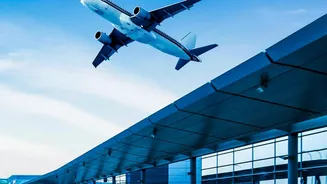





That familiar airport experience—the security queue, the wait at the gate, the final rush to board—is governed by a complex and often invisible conflict between safety and speed, directly impacting how and when you can access the aircraft.
The Race Against the Clock
In airline terminology,
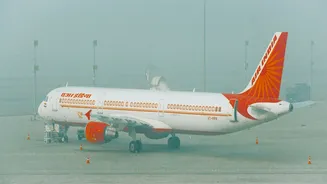
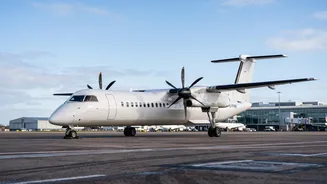
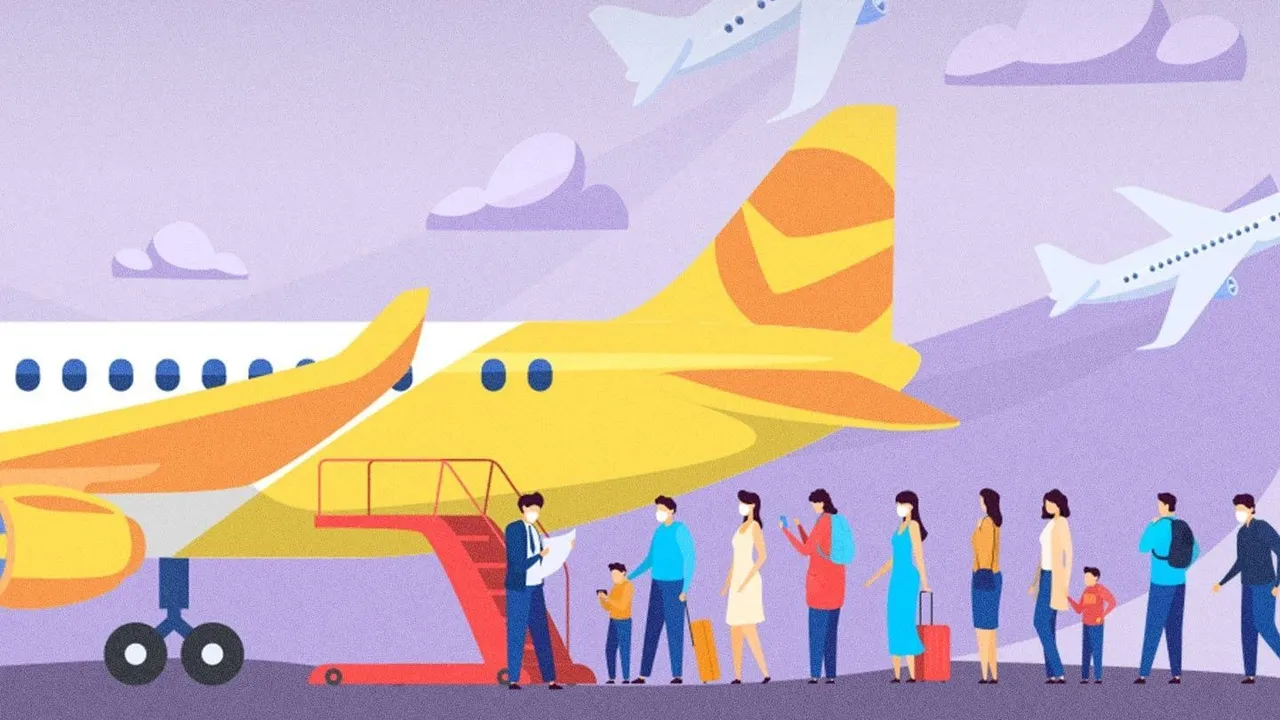
'turnaround' is the critical period from when an aircraft parks at the gate to when it pushes back for its next flight. For a narrow-body plane on a domestic route, this can be as short as 30-45 minutes. During this window, a flurry of activity must happen: passengers deplane, the cabin is cleaned, the aircraft is refuelled, catering is loaded, baggage is offloaded and new luggage is loaded, and essential pre-flight safety checks are completed. Airlines strive for the quickest turnaround possible because a stationary aircraft isn't earning revenue. This pressure for speed is the first major force dictating airport operations and a primary contributor to the tightly managed boarding process passengers experience.
The Non-Negotiable Security Layer
Running parallel to the airline's need for speed is the absolute mandate for security, overseen in India by the Bureau of Civil Aviation Security (BCAS). BCAS sets the rules for every aspect of airport security, from passenger screening to controlling who can access restricted airside areas. Access to the aircraft itself is one of the most strictly controlled elements. Every individual—be it a pilot, cabin crew member, engineer, or baggage handler—must have a valid, biometrically verified Aerodrome Entry Permit (AEP) to even be in the vicinity of the plane. This system is designed to prevent unauthorised access and ensure that every person and item near the aircraft has been cleared, a foundational principle of aviation security.
Where Speed Meets Security
The conflict arises where the fast-paced world of turnarounds collides with the methodical, unhurried world of security. Ground staff, who are under immense pressure to complete their tasks within the short turnaround window, cannot simply walk up to the aircraft. They must pass through their own security checkpoints and have their access rights verified, a process that adds time. Similarly, the process of screening catering supplies, cargo, and even crew luggage must adhere to strict protocols that cannot be rushed. If a security concern is flagged, even a minor one, the entire turnaround process can be halted, causing immediate delays that have a knock-on effect on the rest of the day's schedule for that aircraft. This tension means airlines must build realistic schedules that account for these mandatory security steps.
Impact on Passengers and Crew
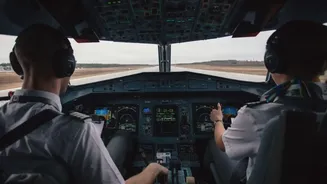
For passengers, this balancing act is most visible at the boarding gate. The reason airlines often close boarding 15–20 minutes before departure is to create a buffer. They need to finalise the passenger manifest, account for everyone on board, and secure the cabin doors in time for the scheduled pushback. Late–arriving passengers can jeopardise the entire turnaround schedule. For flight crews, regulations governing flight duty time limitations (FDTL) add another layer of complexity. Recent revisions by the DGCA in India have increased mandatory rest periods for pilots and limited the number of night landings, prioritising safety over operational flexibility. A delay during turnaround can risk a crew 'timing out', meaning they exceed their legal duty hours and a replacement crew must be found, often causing significant delays.
The Ground Handling Squeeze
Perhaps no group feels the pressure more than the ground handling staff. These are the teams responsible for the physical tasks of the turnaround, from pushing the aerobridge to loading cargo. In a recent meeting ahead of the 2026–2027 fog season, the civil aviation ministry specifically directed airlines to ensure their ground handlers are adequately staffed to manage efficient turnarounds during disruptions. This highlights how crucial their role is. They must perform dozens of time–sensitive tasks perfectly while navigating a strict security environment where every movement is monitored. A shortage of staff or equipment, or a delay in any single task like baggage loading, can trigger a cascade of delays throughout the airport's and airline's network.