






The Colour Myth
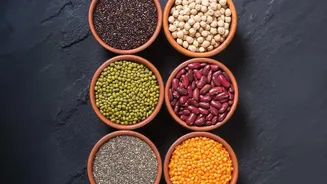
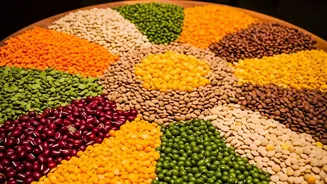
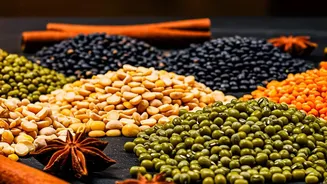
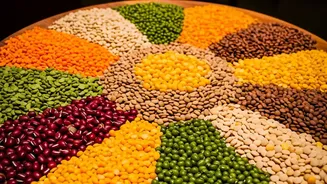
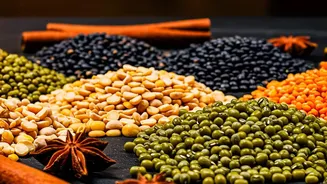
It’s a common kitchen assumption: the colour of a pulse dictates its cooking time. We see it play out with masoor dal (red lentils) which softens quickly, versus whole urad dal (black gram) which takes much longer. However, this isn't because of the colour itself.
The real difference often lies in processing. Red lentils are typically sold split and with their outer skin removed, which allows water to penetrate them much faster. In contrast, lentils and beans that retain their skins, like brown or green lentils, have a natural barrier that requires more time to break down. So while there's a correlation, it's the lack of a skin, not the red hue, that makes masoor dal a quick-cooking favourite.
The Biggest Factor: Age
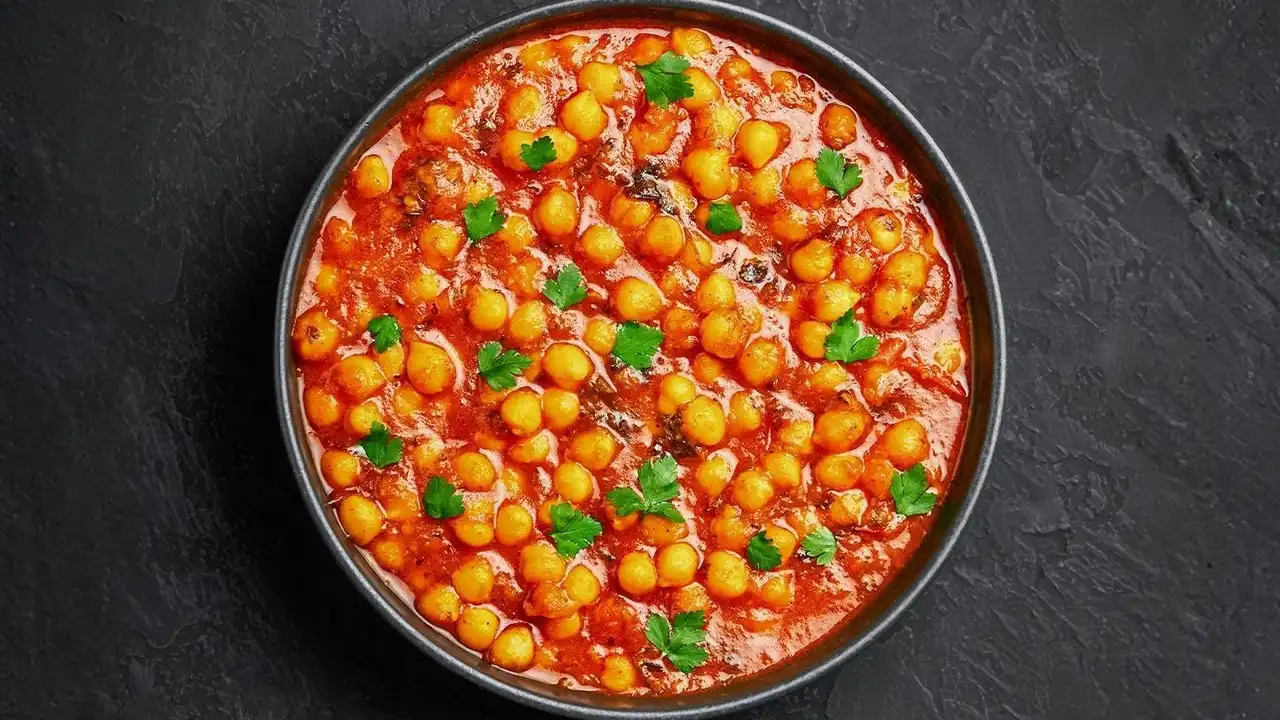
The single most important variable in how a pulse cooks is its age. Fresher pulses cook faster and more evenly. As pulses get older, they become progressively drier and harder, meaning they can take significantly longer to soften, sometimes twice as long. This is why a packet of dal bought this month might cook differently from one that has been sitting in the back of your pantry for a year. If you've ever had a batch of rajma or chana that simply refuses to soften no matter how long you cook it, chances are it's old. For the most consistent results, it’s best to buy pulses from a store with high turnover to ensure you’re getting a fresher lot.
How You Store Your Dal Matters
Tied closely to age is storage. How you store your pulses can dramatically affect their texture and cooking time. They should be kept in a tightly sealed container in a cool, dark, and dry place. Exposure to humidity and high temperatures can harden the outer coat of the pulses, making them resistant to absorbing water. If light gets to them, they can lose their vibrant colour, though this won't affect flavour or nutrition as long as they're sealed. The longer a pulse is stored, the drier it becomes, which is a primary reason for increased cooking times. So, even if you buy fresh pulses, improper storage can age them prematurely.
Variety, Soaking, and Water Hardness
Beyond age and storage, other factors come into play. The specific variety of the pulse matters; even within the same category, like chickpeas, different types can have different cooking times. Soaking is another crucial step, especially for larger, whole pulses like chickpeas and kidney beans. Soaking not only cuts down cooking time, sometimes by half, but also helps make the pulses more digestible. Furthermore, the type of water you use can have an impact. Hard water, which has a high mineral content, can lengthen the cooking process. Some cooks also advise against adding salt or acidic ingredients like tomatoes at the beginning of cooking, as this can toughen the skins and slow down softening.
Tips for a Perfect Pot of Dal
So, how can you ensure a perfectly cooked pot of dal every time? First, try to buy your pulses from a busy shop. Second, always soak whole and larger pulses like chana, rajma, and whole urad for at least a few hours or overnight. Split pulses like moong and masoor need less soaking time, if any. A pressure cooker is your best friend, significantly reducing cooking time for all types of pulses. If you suspect your dal is old, you can soak it for longer. And finally, pay attention as you cook. Don't just rely on the instructions on the packet. Get a feel for how the pulses are softening and adjust the time as needed. Tasting is the best way to check for doneness.