
The New Snacking Mandate: Health Meets Flavour
For decades, the Indian snack market was largely driven by indulgence. Taste was king, and nutrition was an afterthought. That paradigm is officially changing. A significant shift in consumer behaviour shows that Indians are now actively seeking out snacks
that offer health benefits without compromising on the flavours they love. Recent studies highlight this evolution; one global survey found that 58% of urban Indian consumers now prioritise nutrition over taste, a figure that surpasses the global average. This isn't just a niche trend confined to metros; it's a nationwide movement towards mindful munching. Consumers are reading labels more carefully than ever, scrutinising ingredient lists for trans fats, sugar content, and artificial additives.
What's Driving the Change?
Several factors are fuelling this transformation. A post-pandemic surge in health and wellness consciousness has made people more deliberate about their food choices. This, combined with rising disposable incomes and greater exposure to global trends, has created a fertile ground for a new category of snacks. The market is no longer a simple binary of 'healthy' or 'tasty'. Consumers want both. Reports indicate that the healthy snacking market in India is projected to grow at a compound annual growth rate (CAGR) of nearly 10%, outpacing the global average. This demand is particularly strong for snacks rich in protein, with a staggering 86% of Indians considering it an important factor in their choice of snack. Ingredient transparency has also become a powerful driver, with 62% of consumers valuing it more than celebrity endorsements.
The Rise of a 'Better-for-You' Aisle
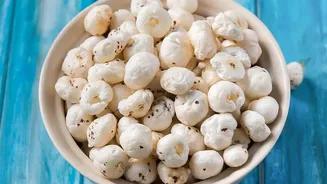
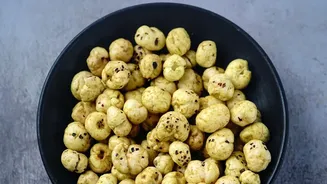
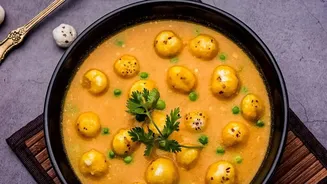
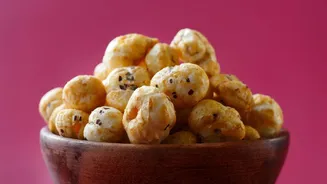
This consumer-led revolution has opened the floodgates for innovation. Traditional snacks are being reimagined, and new categories are gaining prominence. Baked snacks, roasted namkeens, and vacuum-fried chips are replacing their deep-fried counterparts. Ancient grains and superfoods are making a major comeback. Millets, once considered humble fare, are now the hero ingredient in everything from chips and puffs to crackers. The market for millet-based packaged foods in India has seen explosive growth, skyrocketing from a modest value in 2020-21 to over INR 800 crore by 2024-25. Similarly, makhana (fox nuts), once reserved for fasting, has become an everyday alternative to potato chips, celebrated for its crunch and protein content.
Brands Big and Small Answer the Call
Both legacy FMCG giants and agile startups are vying for a piece of this growing market, which is expected to be worth over USD 41 billion by 2033. Startups have been particularly quick to innovate, launching digital-first brands that speak directly to the health-conscious consumer, leveraging clean labels and authentic brand stories. At the same time, established players are expanding their portfolios. Hindustan Unilever has pushed into ready-to-drink nutrition with products like Horlicks Milkshake, while ITC has launched premium functional beverages. This competitive landscape is even attracting significant investment, with private equity firms betting big on the future of India's 'snacking renaissance'. The battle for the modern Indian snack bowl is not just about taste anymore; it's a contest of trust, transparency, and nutritional value.