





The Hidden Cost of the Convenient Package
Let’s be honest: packaged and processed foods are lifesavers on busy days. That instant noodle pack, the ready-to-eat curry, the bag of chips—they promise speed and simplicity. However, this convenience comes with a hidden cost. Most processed foods are engineered
for a long shelf life, which often means they are loaded with preservatives, excess sodium, unhealthy fats, and refined sugars. While they fill you up, they can leave you nutritionally short-changed. Over time, a diet heavy in these items can contribute to a range of health issues, from weight gain and lethargy to more serious chronic conditions. The vibrant colours are often artificial, and the 'natural flavours' can be a mystery concocted in a lab, a far cry from the real thing.
What 'Hyper-Local' Truly Means
The term 'hyper-local' might sound like a trendy buzzword, but its meaning is beautifully simple and deeply rooted in our traditions. It’s about shortening the distance between the farm and your plate. Think beyond the supermarket aisle. Hyper-local produce is what you find at your neighbourhood sabzi mandi, the weekly farmers' market, or even from vendors who source directly from farms on the outskirts of your city. It’s food that has travelled a few kilometres, not hundreds or thousands. This isn't about an exclusive, expensive lifestyle; it’s about reconnecting with the food system that exists right in your community, a system that has sustained generations.
The Unbeatable Advantage of Freshness
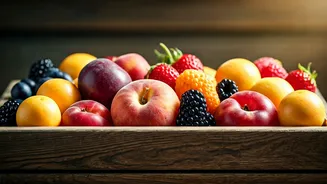
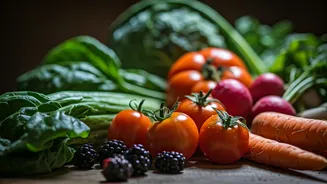
Have you ever wondered why a freshly plucked tomato from a garden tastes so much better than a store-bought one? The answer lies in the journey. Produce that travels long distances is often picked before it's fully ripe and then artificially ripened later. This compromises both flavour and nutritional value. Nutrients like Vitamin C and B vitamins are fragile and begin to degrade the moment a fruit or vegetable is harvested. Hyper-local produce, on the other hand, is picked at its peak of ripeness. It reaches you within days, or sometimes even hours, of being harvested, meaning it’s bursting with maximum flavour, nutrients, and life force (prana). The colours are more vibrant, the textures are crisper, and the taste is incomparably better.
Nourishing Your Community, Not Just Yourself
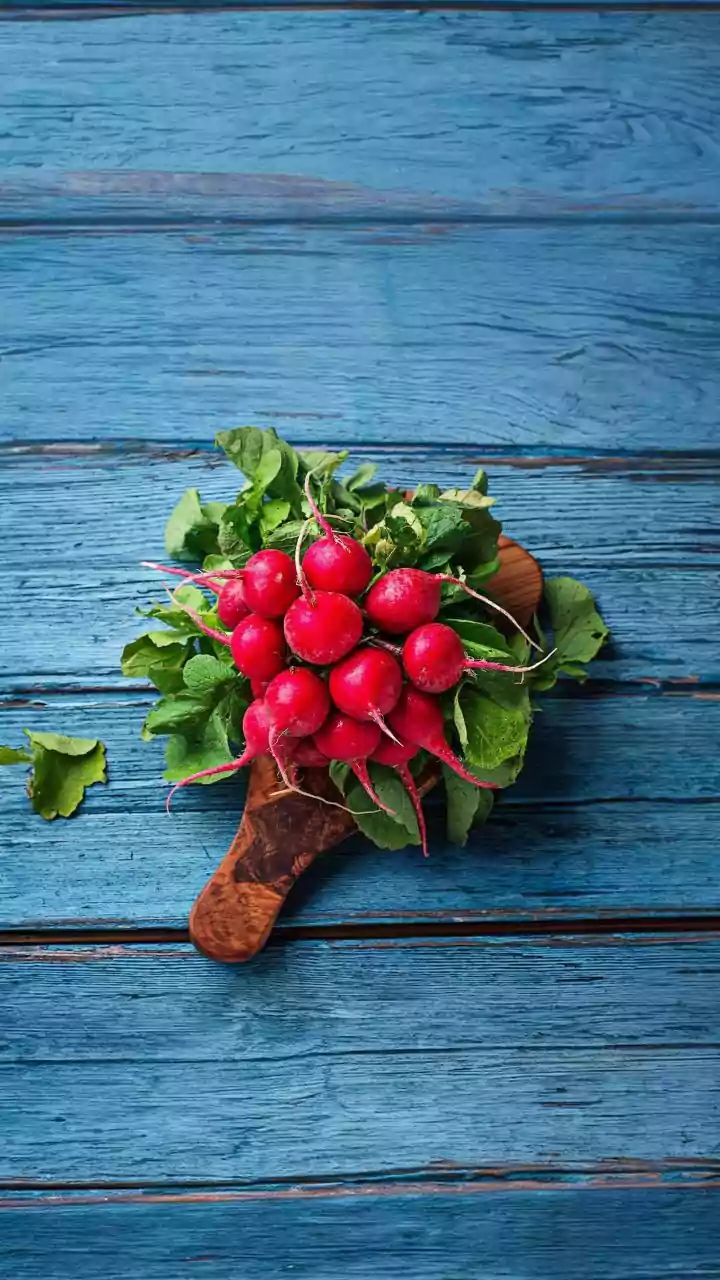
Choosing to buy local is a powerful act that extends beyond your own health. When you purchase produce from a local farmer, your money directly supports their livelihood, their family, and the local economy. It helps keep small-scale agriculture viable in the face of large, industrial farming. This creates a more resilient and sustainable food system for everyone. You build a connection, however small, with the person who grows your food. This relationship fosters a sense of trust and transparency that is impossible to find in a sealed plastic package from a faceless corporation. It’s a vote for your community’s well-being with every kilo of bhindi or bundle of spinach you buy.
How to Make the Shift: A Simple Start
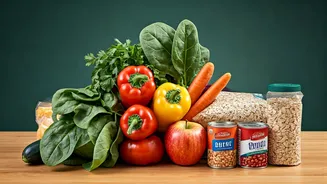
Switching doesn't have to be an all-or-nothing overhaul. Start small and make it enjoyable. Begin by committing to one hyper-local meal a day. Visit your local farmers' market this weekend, not just to shop, but to explore. See what's in season—it’s nature’s way of telling you what’s best to eat right now, and it’s always cheaper. Talk to the vendors. Ask them what’s freshest or how to cook a vegetable you’ve never seen before. Instead of planning your meals and then shopping, try shopping for what looks best and then planning your meals. This simple flip in perspective can turn a chore into a creative adventure.
Overcoming the Hurdles of Time and Habit
The two biggest barriers to eating fresh are often time and habit. We’re used to the convenience of reaching for a box. To counter this, dedicate an hour or two on the weekend to 'Mise en Place' or pre-prepping. Wash and chop your vegetables and store them in the fridge. This makes weekday cooking incredibly fast. Worried about cost? Seasonal, local produce is often more affordable than out-of-season, imported goods. As for cooking skills, you don't need to be a master chef. The beauty of fresh ingredients is that they require very little to shine. A simple stir-fry, a fresh salad, or a hearty dal with seasonal vegetables are all you need to enjoy the incredible flavours of real food.