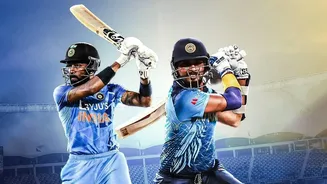




The dream of an India-Pakistan final is over. India A's promising campaign in the Rising Stars Asia Cup came to a stunning halt in a semifinal defeat to Sri Lanka A, leaving fans wondering what went wrong. Let's break it down.
A Middle-Order Stumble After a Blazing Start
Batting first, India A seemed
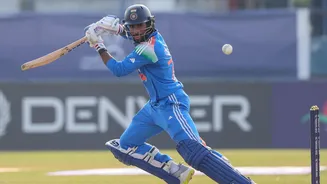
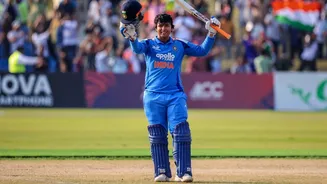
poised for a mammoth total. Openers Abhishek Sharma (78 off 63) and Vaibhav Sooryavanshi (40 off 27) provided an explosive start, putting on an 80-run partnership in just eight overs. The platform was set for a score well in excess of 330. However, after the openers departed, the momentum began to wane. Captain Tilak Varma anchored the innings with a steady 53, but the scoring rate dipped. The real trouble began with a mini-collapse that saw India slip from a dominant 197/2 to 235/6. Key batsmen like Rinku Singh (12) and Suryansh Shedge (10) failed to fire, leaving too much for the lower order to do. While a late flourish from Shahbaz Ahmed, who scored an unbeaten 54, pushed India to 317/8, there was a lingering feeling that they were 20-30 runs short on a good batting surface.
The Bowling Attack's Powerplay Failure
Defending a competitive but not insurmountable total of 317, India needed early wickets to put pressure on the Sri Lankan chase. The opposite happened. Sri Lanka A's openers came out with aggressive intent, effectively dismantling India’s new-ball attack. They raced to 56 without loss in the first five overs alone. Bowlers Arshad Khan and Harshit Rana proved expensive, conceding runs at an alarming rate and allowing the Sri Lankan batsmen to settle. By the end of the first powerplay, Sri Lanka A were 85/0, and the pressure of the chase had been significantly reduced. Captain Tilak Varma later admitted the plan was to restrict Sri Lanka in the first 15 overs, but conceded they 'haven't executed'. This failure to create any early pressure proved to be a decisive factor in the match.
Sri Lanka's Openers Steal the Show
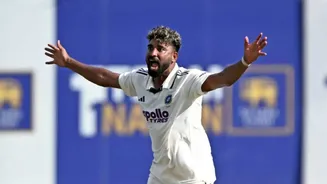
The story of Sri Lanka's victory was written by their openers, Lasith Croospulle and Sineth Jayawardena, who both scored magnificent centuries. Jayawardena was the chief aggressor, blasting a breathtaking 105 from just 70 balls, including six sixes. Croospulle played a more measured but equally destructive innings of 116 from 107 balls. Their mammoth 174-run opening partnership in just 21.3 overs completely took the game away from India. The Indian bowlers seemed to have no answers to their onslaught. Though Shahbaz Ahmed eventually dismissed Jayawardena, the damage was already done. The partnership didn't just pile on runs; it broke the spirit of the Indian team, who never truly recovered from the initial assault.
An Inability to Build Pressure or Take Wickets
Beyond the powerplay, India’s bowlers struggled to make inroads throughout the innings. Varma tried rotating his bowlers, but no one could break the momentum or build sustained pressure. The Sri Lankan batsmen were rarely troubled, and even after the centurions were dismissed, Nishan Madushka stepped in with a calm, unbeaten 58 to guide his team home. In total, India managed to take only two wickets in the entire innings. This speaks volumes about the lack of bite in the bowling attack on the day. The fielders, under immense pressure, were also unable to create a game-changing moment. Sri Lanka chased down the target of 318 with a remarkable 51 balls to spare, highlighting the sheer dominance of their batting performance and the corresponding struggles of the Indian bowling unit.