





The Ultimate Lunchbox Hero
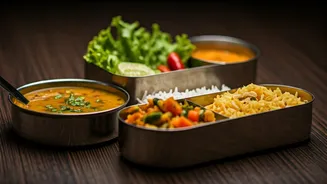
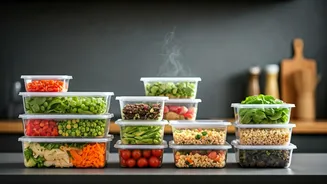
Think about the challenges of a packed lunch. It needs to survive a commute, sit for hours, and still be appealing by noon. Many dishes fail this test, becoming limp, cold, and unappetising. Lemon rice, however, is practically designed for the tiffin
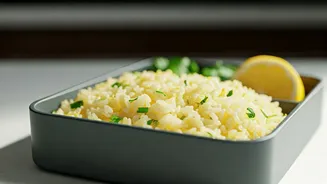
box. It’s one of those rare dishes that tastes just as good—if not better—at room temperature. The flavours don't fade; they meld and deepen over a few hours. There’s no sauce to leak, no bread to get soggy, and no complex components that separate. It’s a self-contained unit of deliciousness, a self-reliant meal that asks for nothing but to be enjoyed. This makes it a stress-free choice for both the person making it and the person eating it.
A Spoonful of Sunshine
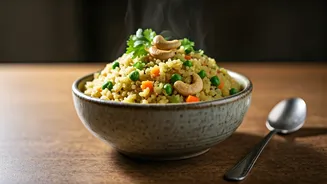
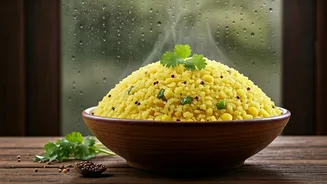
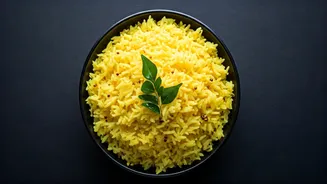
On a functional level, lemon rice is a perfect carbohydrate-based meal. But its real magic lies in its ability to lift your spirits. The brilliant yellow hue, courtesy of a pinch of turmeric, is an instant mood-booster. It’s visually cheerful, a stark contrast to the often beige and brown palette of desk lunches. Then comes the flavour. The bright, zesty punch of lemon juice cuts through the richness of the tempering, waking up your taste buds. It’s light on the stomach, so you won’t feel a post-lunch slump, but it’s satisfying enough to power you through the afternoon. The crunch of roasted peanuts and dals provides a delightful textural contrast to the soft grains of rice. It’s not just food; it’s a small, edible dose of comfort and joy.
The Genius of Leftover Rice
One of the greatest things about lemon rice is its celebration of leftovers. In fact, the dish is often better when made with day-old rice that has been refrigerated. Freshly cooked, warm rice can be sticky and is prone to turning mushy when you mix in the tempering. Cold, firm rice, however, holds its shape perfectly. Each grain stays separate, allowing it to be evenly coated in the flavourful tadka. This transforms what could be a mundane leftover into a brand-new, exciting meal. It’s a masterclass in kitchen economy and efficiency. The entire process, from heating the oil to mixing the rice, can take as little as 10 to 15 minutes, making it a feasible option even on the most hectic of mornings.
Mastering the Tempering (Tadka)
The soul of lemon rice is its tadka. This is where simple ingredients are coaxed into releasing their essential flavours. It typically starts with oil (like sesame or groundnut) heated in a kadai. First, mustard seeds are added; you wait for them to pop and crackle, releasing their pungent aroma. Next come the dals—urad dal and chana dal—which are fried until they turn a light golden brown, providing a nutty flavour and a crucial crunch. Then, peanuts and cashews for more texture and richness. Finally, just before you turn off the heat, fragrant curry leaves and slit green chillies are tossed in, along with a healthy pinch of turmeric for that signature colour. This aromatic, crunchy mixture is the engine of the entire dish.
Pro Tips for a Perfect Tiffin
To ensure your lemon rice is perfect every time, a few small details matter. Always add the lemon juice after you’ve taken the pan off the heat and the tadka has cooled slightly. Adding it to a hot pan can make the juice turn bitter. Mix the tempering and the cooled rice together gently, using a fork or your hands to avoid breaking the grains. When packing it, let the finished dish cool down to room temperature completely before closing the lid on your lunchbox; this prevents condensation from making it soggy. While it's a complete meal on its own, lemon rice pairs beautifully with a simple side of a crisp papad, some potato chips, or a dollop of your favourite pickle (achaar) for an extra kick of flavour.