



Why the Gap Matters More Than You Think
The space between your furniture and the wall isn't just a place for dust to settle; it's a zone that impacts your home's health, cleanliness, and even the longevity of your belongings. When furniture is pushed flush against a wall, it creates a stagnant
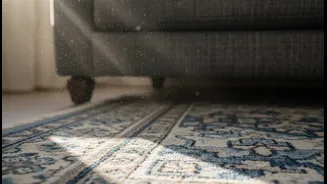
area with poor air circulation. This can trap moisture, potentially leading to mould and mildew, especially in humid climates or on exterior walls. That collected dust and debris can also worsen indoor allergies. Furthermore, the lack of a gap makes cleaning incredibly difficult, forcing you to either ignore the mess or engage in the back-breaking task of moving heavy items. A small, deliberate space prevents scuffs on your walls, allows heat from radiators or vents to circulate properly, and gives electronics the breathing room they need to avoid overheating.
The Golden Rule: Finding the Right Measurement
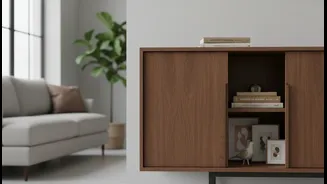
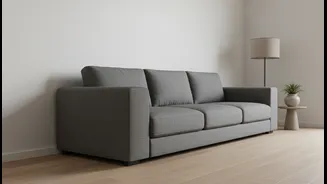
So, what is the magic number? While it varies slightly by furniture type, most interior designers and cleaning professionals agree on a general range. For large items like sofas and couches, a gap of 3 to 6 inches (about 8 to 15 cm) is recommended. This provides enough room for most vacuum attachments and extendable dusters to do their job effectively. For beds, a clearance of 2 to 4 inches helps with air circulation to keep mattresses fresh. For taller, more stable pieces like bookshelves and cabinets, a smaller gap of 1 to 2 inches is usually sufficient to protect the wall from shifting and allow for dusting. Always consider baseboards and heating vents; furniture should never block airflow from a radiator. In larger rooms, a more generous gap of up to 8 inches can even create a more refined, professionally designed look.
Essential Tools for Tackling Tight Spaces
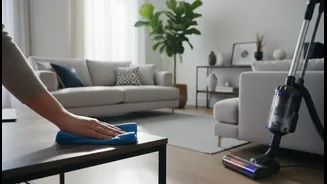
Even with a proper gap, you’ll need the right tools to clean these areas efficiently. A vacuum cleaner with a long hose and a crevice tool is indispensable for sucking up dust and larger debris from the floor line. For dusting the back of the furniture and the wall itself, an extendable duster with a flexible, microfiber head is a game-changer. These tools can often bend to navigate around legs and support structures. Some brands offer slim, flat dusters designed specifically to slide under appliances and low furniture. For stubborn grime, you can attach a damp microfiber cloth to a broom handle or a flat mop frame to wipe down the baseboards and lower wall area without having to get on your hands and knees.
A Strategy for Every Piece of Furniture
Applying the gap rule requires a bit of planning. Before you move a heavy dresser or sofa, take a moment to assess the space. Use a measuring tape to see what’s feasible. If your room is too small for the ideal gap, even a single inch is better than none. For pieces that absolutely cannot be moved, like a heavy media unit, focus on what you can control. Ensure cables are bundled neatly to prevent them from becoming massive dust traps. For bedroom dressers, you might only need to pull them out for a deep clean a few times a year, but a small permanent gap makes weekly touch-ups possible. When arranging a room from scratch, prioritize placing the largest furniture pieces first, factoring in their cleaning clearance from the very beginning. This proactive approach turns cleaning from a major chore into a simple, routine task.