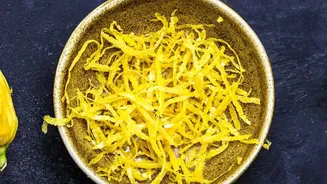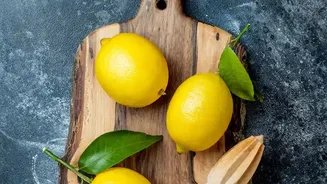



That bright yellow lemon sitting on your counter holds a fragrant secret to making everyday meals taste extraordinary. Its zest, the colourful outer peel, is packed with aromatic oils that deliver pure, intense citrus flavour without the sourness.
What is Lemon Zest, Exactly?
Before
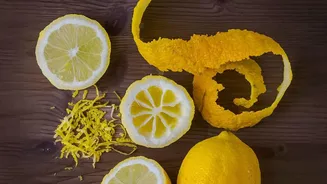
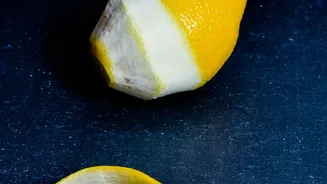
you start grating, it's important to know what you're after. Lemon zest is only the thin, yellow outer layer of the peel. It’s where the fruit's fragrant essential oils are concentrated, which is why it provides such a powerful flavour punch. The white layer just beneath the zest is called the pith, and it has a bitter taste you'll want to avoid in most recipes. While some recipes might call for the 'peel' or 'rind', they often just mean the zest. For the best flavour, you want to capture only the golden part.
How to Zest a Lemon Like a Pro
Getting the zest off the lemon is simple, and you don't need many fancy tools. Always wash and dry your lemon thoroughly before you begin. If you're not using organic lemons, you might want to give them a good scrub to remove any wax coating. A microplane is often the easiest tool, creating a fine, fluffy pile of zest with minimal effort. You can also use the small holes on a box grater. No grater? No problem. A sharp vegetable peeler or a knife can be used to carefully shave off strips of the yellow peel, which you can then mince into smaller pieces. The key with any method is to apply light pressure to avoid grating into the bitter white pith underneath.
Zesting Up Your Savoury Dishes
Lemon zest's ability to brighten and balance flavours makes it a star in savoury cooking. A sprinkle of zest can cut through richness in creamy pasta dishes, such as a simple lemon ricotta pasta or a decadent Alfredo. It adds a fresh lift to roasted vegetables, especially when paired with herbs like thyme or rosemary. For proteins, zest is a game-changer. Mix it into marinades for chicken or fish to add flavour without extra liquid. Sprinkle it over pan-seared shrimp, grilled fish, or roasted chicken right before serving for a burst of fresh aroma. You can even stir it into breadcrumbs for a citrusy coating or topping for baked dishes.
A Sweet and Tangy Twist for Desserts
In the world of baking, lemon zest is a classic ingredient for a reason. It provides a more nuanced and aromatic lemon flavour than juice alone. Infuse sugar with lemon zest by pulsing them together in a food processor; this releases the oils into the sugar granules, creating a powerfully fragrant base for cakes, cookies, and scones. Lemon zest is essential in classic desserts like lemon bars, lemon pound cake, and lemon meringue pie. But its use doesn't stop there. Add it to batters for muffins, cheesecakes, and crumbles for a bright counterpoint to sweet flavours. It also works beautifully in frostings and glazes, giving a simple bake a professional touch.
Elevate Your Drinks and Dressings
Don't forget beverages and salads. A simple vinaigrette made with olive oil, lemon juice, and a generous amount of zest can make any salad sing. The zest adds a complexity that juice alone can't provide. In drinks, a strip of lemon zest adds both flavour and a beautiful garnish to cocktails. You can also add it to a pitcher of water or iced tea for a refreshing, sugar-free flavour boost. Whenever you plan to juice a lemon, make it a habit to zest it first. You can easily store extra zest in an airtight container in the freezer for up to six months, ensuring you always have a burst of sunshine on hand to elevate your next meal.