





What Exactly Are 'Smart Operations'?
In simple terms, smart operations refer to the use of technology and data to make business processes more efficient, automated, and intelligent. For the food and grocery delivery industry, this isn't just a corporate buzzword; it's the very engine that
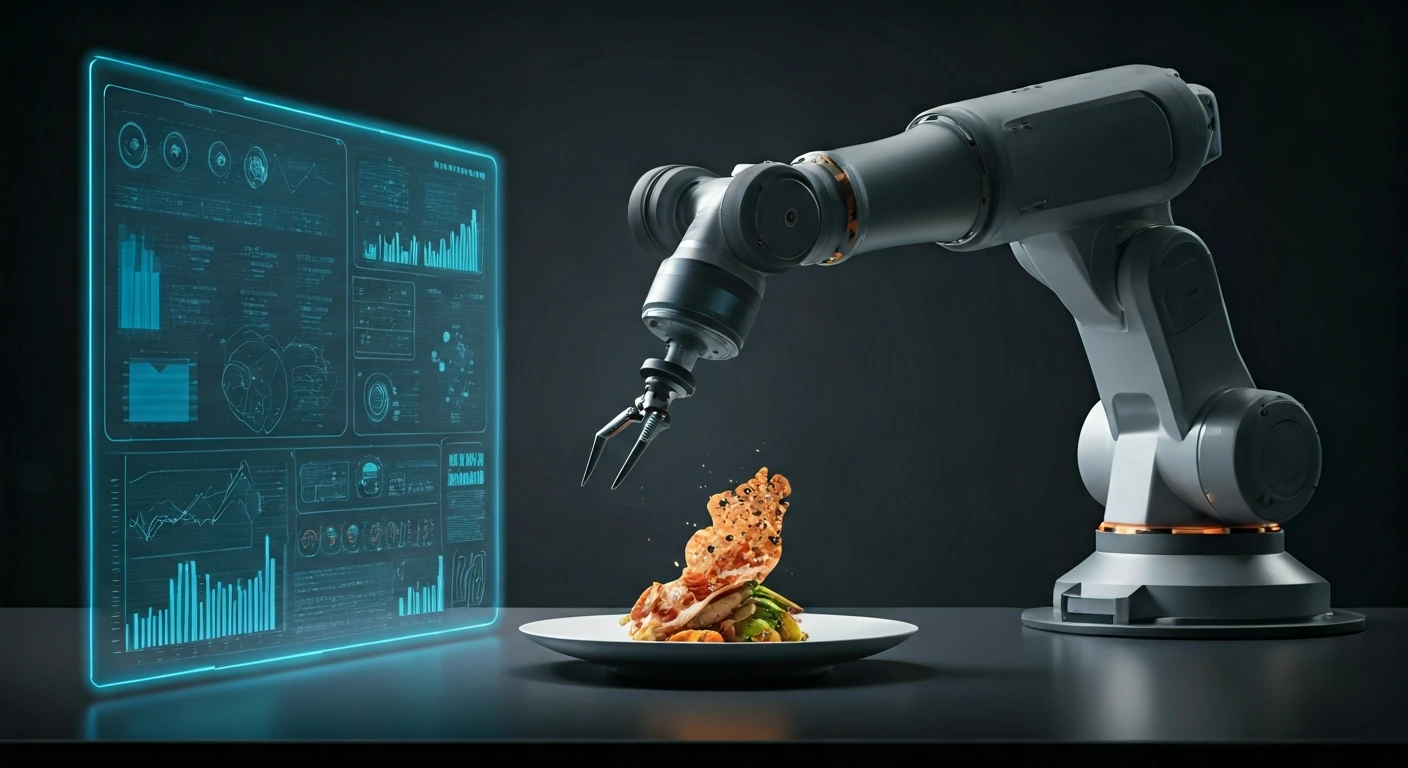
powers the entire system. Think of it as the brain behind the brawn. While you see a delivery partner navigating the streets, an invisible network of artificial intelligence (AI), machine learning (ML), and data analytics is working tirelessly. This network predicts demand, manages restaurant inventory, plans delivery routes, and assigns orders—all to ensure your meal gets from the kitchen to your doorstep as quickly as possible. The goal is to streamline every step of the process, from the moment you tap 'place order' to the final handoff.
The AI Brain Behind Your Delivery
The magic of getting your food delivered while it's still hot lies in sophisticated AI and machine learning algorithms. Food delivery platforms like Swiggy and Zomato use AI to forecast demand in specific neighbourhoods based on historical data, weather conditions, and even local events or festivals. This allows them to ensure more delivery partners are available in high-demand areas, reducing wait times. Once an order is placed, AI gets to work on logistics. Route optimisation software analyses real-time traffic, road closures, and weather to calculate the fastest and most efficient path for the delivery partner. Some systems are so advanced they can 'batch' orders, assigning multiple deliveries from nearby restaurants to a single rider heading in the same general direction, improving efficiency and speed. This data-driven approach has proven successful, with a majority of users noticing significant or slight improvements in delivery speeds over time.
Kitchens You Can't Visit
Another crucial component of this ecosystem is the rise of 'dark kitchens', also known as cloud or ghost kitchens. These are cooking facilities without any storefront or dining area, built exclusively for online delivery orders. By shedding the high costs of prime real estate and front-of-house staff, restaurants can set up these kitchens in locations strategically chosen for their proximity to high-demand neighbourhoods. This significantly cuts down the delivery radius and, consequently, the delivery time. Many of these kitchens are operated by established brands looking to expand their reach, or by new 'virtual' brands that exist only on delivery apps. Technology is central to their operations, with AI helping to manage inventory and forecast demand to reduce food waste and ensure popular items are always in stock.
Beyond Dinner: The 10-Minute Promise
The principles of smart operations extend beyond just restaurants. The explosive growth of 'quick commerce' platforms like Blinkit, Zepto, and Instamart, which promise grocery deliveries in 10 to 30 minutes, is built on the same foundation. These services rely on a dense network of micro-fulfilment centres, or dark stores, scattered across urban areas. These small warehouses stock a limited range of high-demand products, allowing for lightning-fast order picking and dispatch. Advanced AI predicts what items will be popular in each specific neighbourhood, ensuring the right products are stocked at the right location. This hyperlocal model has reshaped consumer expectations, putting immense pressure on supply chains to become faster and more responsive, a trend that is now spilling over into all forms of retail.