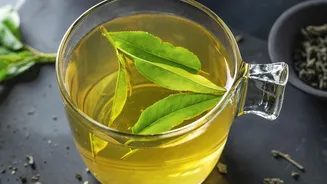


There is a unique disappointment in brewing a cup of tea only to find it tastes flat and lifeless. The good news is that preserving the flavour of your favourite leaves is simple, protecting both your palate and your wallet.
Know Thy Enemy: The Five Foes of Fresh Tea
Tea is not invincible. Once
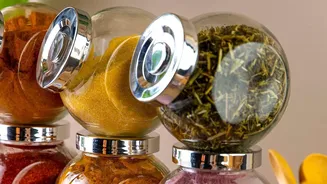
you open a package, its delicate leaves begin a slow battle against the elements. Understanding these five adversaries is the first step to winning the war on flavour degradation. Light is a primary culprit, as UV rays can break down the chemical compounds that give tea its character, sometimes creating an unwanted metallic taste. Heat, whether from a nearby stove or a sunny window, will also accelerate this breakdown and can make tea taste bitter. Oxygen is another significant threat, causing oxidation that dulls flavour, while moisture can ruin a batch of tea entirely, creating the perfect environment for mould. Finally, tea leaves are highly absorbent and will soak up any strong smells around them, from coffee beans to kitchen spices. Storing your Earl Grey next to an open spice rack is a recipe for a strange-tasting brew.
The Right Defence: Choosing Your Container
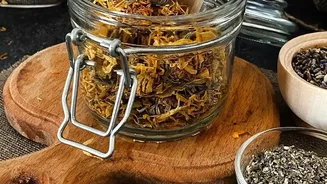
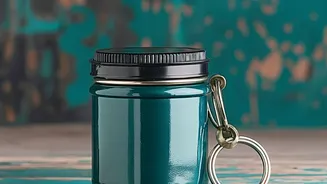
The single most effective tool in your freshness arsenal is an opaque, airtight container. This directly counters the threats of light, oxygen, and ambient odours. The best options are often ceramic jars with a silicone seal or stainless steel and tin canisters, sometimes called tea caddies, which are specifically designed for this purpose. These materials are non-reactive and won't impart any unwanted taste to the leaves. While clear glass jars might look beautiful on a kitchen counter, they are a poor choice unless stored inside a dark cupboard or pantry. The constant exposure to light will quickly fade the flavour of the tea within. You should also avoid most plastic containers, as they can sometimes hold onto smells and may not offer a truly airtight seal. The original paper or foil bag the tea came in is fine for a few weeks, but it's not a long-term solution.
Location, Location, Location
Once you have the right container, finding the perfect storage spot is crucial. The rule is simple: cool, dark, and dry. A kitchen cupboard or a pantry shelf is ideal, as long as it is not directly next to your stove, oven, or dishwasher, where both heat and steam are common. You should also avoid storing tea on top of the refrigerator, as heat rises from the appliance. For most teas, refrigeration is not recommended. The inside of a fridge is a humid environment filled with strong food odours—two of tea's biggest enemies. Taking a container in and out of the cold can also create condensation, which introduces dreaded moisture. The only exception is for certain delicate, unoxidized green teas like matcha, and even then, it must be in a perfectly sealed container.
Do All Teas Need the Same Care?
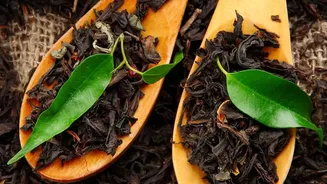
While the five enemies affect all teas, some types are more vulnerable than others. Fully oxidized black teas are the most robust and can stay fresh for up to two years or even longer if stored perfectly. Oolong teas, which are partially oxidized, generally last for one to two years. Delicate, unoxidized green and white teas are the most sensitive. They are best consumed within 6 to 12 months to enjoy their fresh, vibrant notes. Flavoured and herbal teas also have a shorter peak window of about a year, as the added oils, fruits, and flowers tend to lose their potency faster than the tea leaves themselves. One notable exception is puerh tea, which is fermented and designed to be aged, often improving in flavour over many years with proper care.