
The Gentle Art of Cold-Pressing
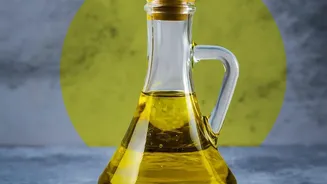
Cold-pressed oils are exactly what they sound like: oils extracted from seeds or nuts using a mechanical press without high heat. This gentle process, often done at temperatures below 49°C, is crucial. It ensures the oil retains a treasure trove of natural
goodies that are otherwise destroyed by heat and chemical processing used for refined oils. Think of it like making fresh juice instead of buying concentrate. You get more of the original flavour, aroma, and, most importantly, the nutritional value. These oils are rich in antioxidants like vitamin E, polyphenols, and essential fatty acids such as omega-3 and omega-6, which are beneficial for heart and brain health.
Why Heat Is the Enemy
The very qualities that make cold-pressed oils so nutritionally vibrant also make them delicate. Their biggest vulnerability is a low smoke point. The smoke point is the temperature at which an oil begins to break down, smoke, and release potentially harmful compounds. For many popular cold-pressed oils like extra virgin olive oil and groundnut oil, this can be around 160°C. When you heat these oils beyond their smoke point, you not only destroy their delicate flavours and beneficial nutrients but also create free radicals and other undesirable chemicals that you don't want in your food. That's why using a delicate cold-pressed flaxseed or walnut oil for deep frying is a culinary mistake; it's simply not built for that kind of stress.
Best Uses for Nature’s Finest
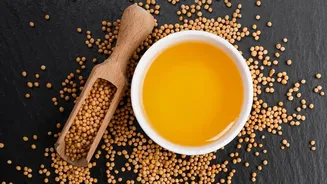
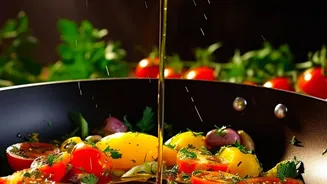
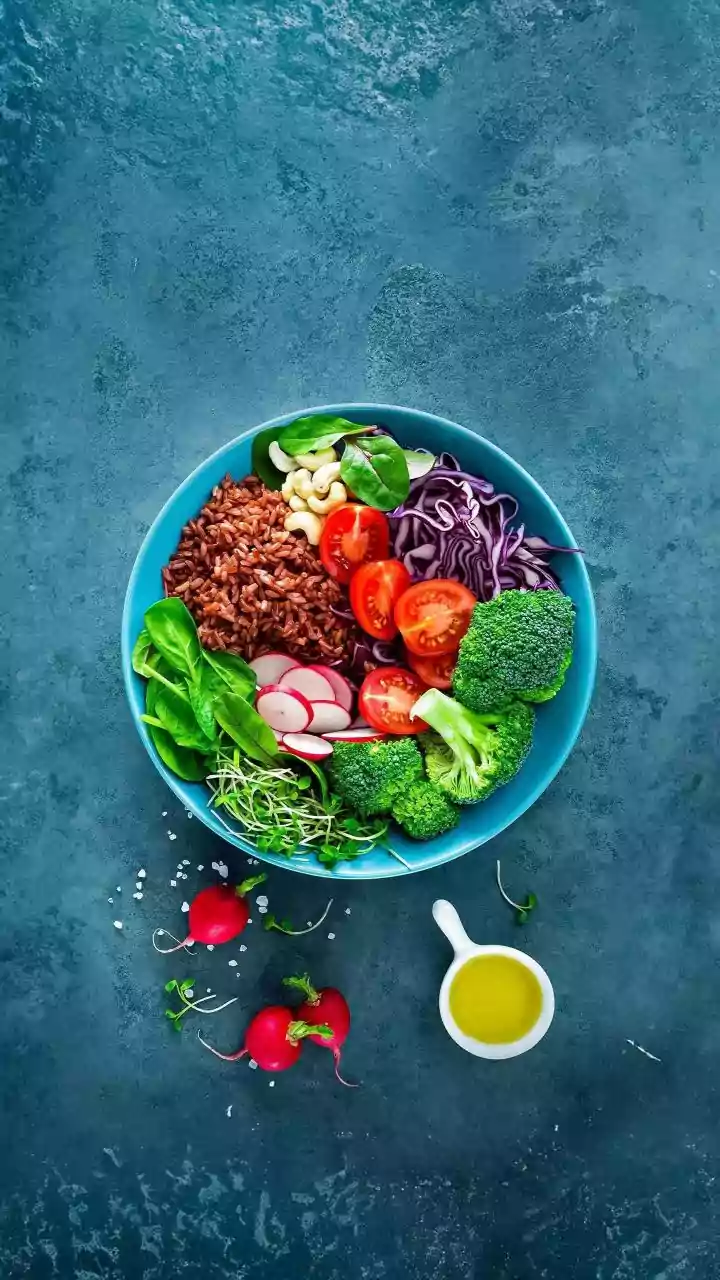
So, where do these oils belong? Anywhere that doesn't involve roaring high heat. Cold-pressed oils are the undisputed champions of raw and low-heat dishes. Their rich, distinct flavours are meant to be savoured. Drizzle cold-pressed mustard oil over a jhalmuri, use extra virgin olive oil in a salad dressing, or finish a dal or soup with a spoonful of cold-pressed sesame oil. They are perfect for making dips, marinades, and chutneys where their unadulterated taste can truly shine. Using them this way ensures you get the full health benefits and the authentic flavour profile they are prized for.
Enter Ghee: The High-Heat Hero
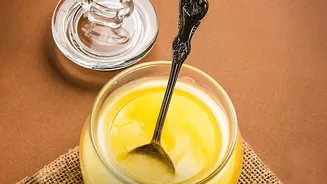
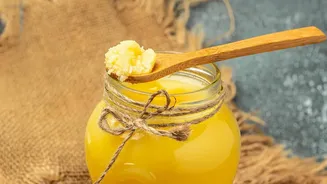
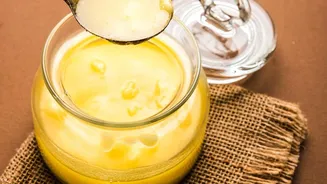
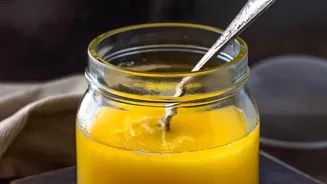
Now, let's turn up the heat and talk about ghee. Ghee is a form of clarified butter that has been a staple in Indian cooking for thousands of years. It’s made by simmering butter to remove the water and milk solids. This process is key to its culinary power. By removing the milk solids, which are the parts of butter that burn quickly, you are left with pure butterfat. This gives ghee an incredibly high smoke point, typically around 250°C (485°F). This is significantly higher than butter (175°C) and most vegetable oils, making it an excellent and stable choice for high-temperature cooking methods common in Indian kitchens.
The Magic of Flavour Infusion
While plain ghee is a powerhouse, infused ghee takes things to another level. Because ghee is a stable fat with a high smoke point, it’s the perfect medium for extracting and carrying flavours. When you make a tadka, you are essentially creating a quick-infused ghee. The whole spices like cumin, mustard seeds, and dried chillies release their aromatic compounds into the hot ghee, which then delivers that flavour punch to the entire dish. You can also make more complex infused ghee by gently simmering it with ingredients like garlic, herbs, or even vanilla and chile. This pre-flavoured fat is then ready to use for searing, sautéing, or roasting, adding a layer of deep, complex flavour that you can't get by just adding dry spices to a pan.
Putting It on the Stove
Ghee's stability at high temperatures isn't just about preventing smoke; it's about better, safer cooking. When oils with lower smoke points are heated too high, they can create harmful compounds. Ghee, being a saturated fat, is much more stable and produces far less of these compounds, like acrylamide, compared to many vegetable oils when heated. This makes infused ghee ideal for everything from searing paneer and vegetables to deep-frying samosas and pakoras. It provides a clean, nutty flavour that enhances food without breaking down into something bitter or unhealthy, ensuring your high-heat cooking is both delicious and reliable.