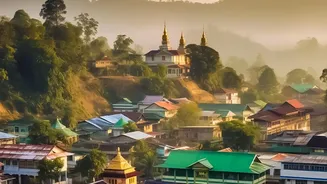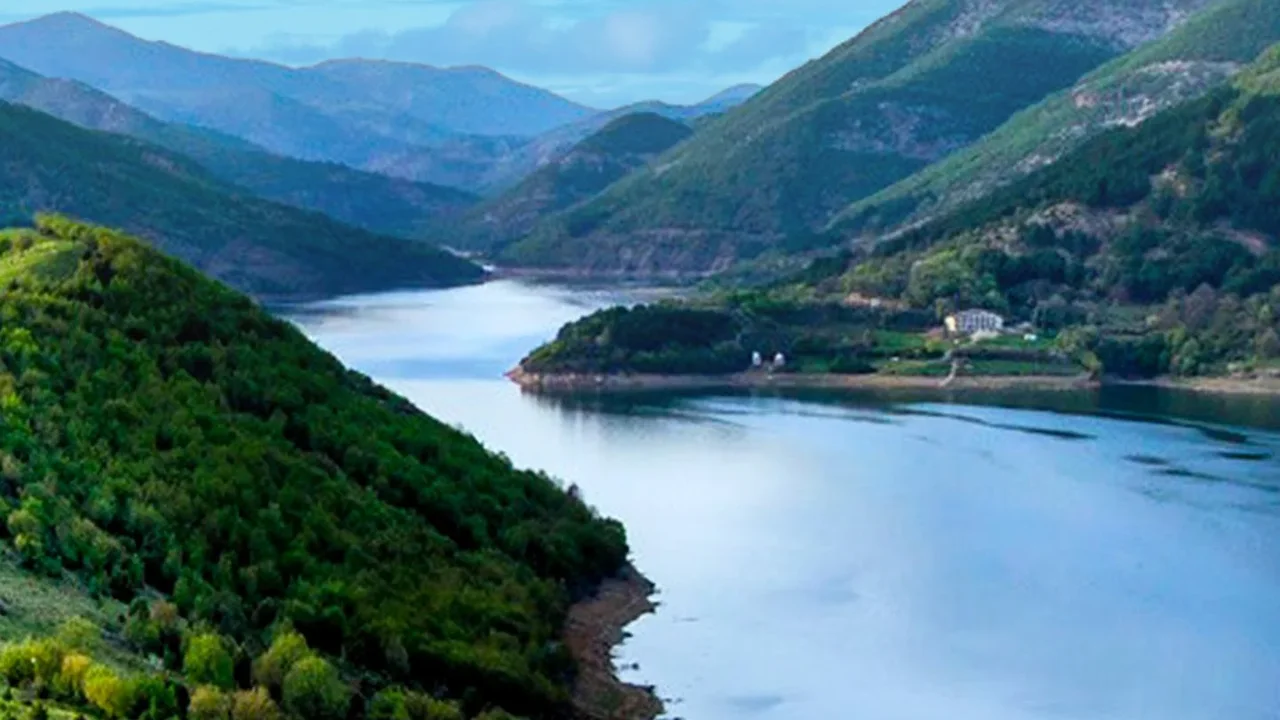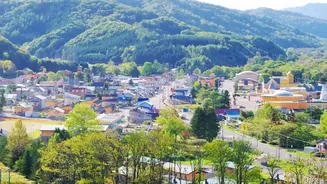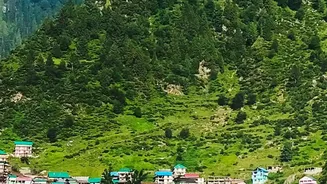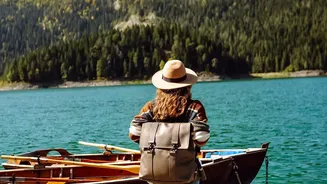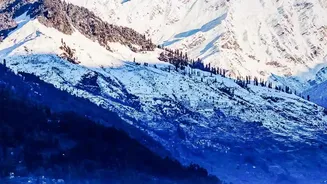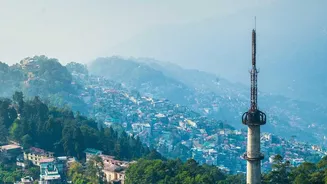


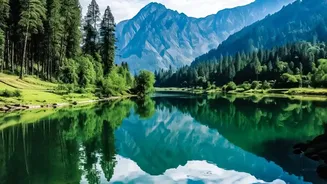
Imagine a mountain getaway without the crowds, where the air is crisp and the experience feels real. Choosing a quiet hill station is more than just a peaceful escape; it’s a conscious decision that actively supports the people and places you visit.
Moving Beyond Overtourism
In
recent years, the conversation around travel has shifted. We've all seen images of popular destinations strained by their own success, a phenomenon known as overtourism. In fragile mountain environments, the impact is even more acute. Overcrowding can lead to environmental degradation, strained infrastructure like water and waste systems, and a diluted cultural experience. Residents of these hotspots can feel pushed out as the cost of living rises and local shops are replaced by souvenir stores. This model of mass tourism often sees profits funneled to large, non-local corporations, leaving the community with the costs but few of the benefits. Choosing a quieter alternative is the first step in countering this trend, spreading the economic benefits more evenly and easing the pressure on overwhelmed ecosystems.
Your Dollar Goes Further
In a small mountain town, your travel spending has a powerful ripple effect. When you stay at a family-run guesthouse, eat at a local café, or buy crafts directly from an artisan, more of your money stays within that community. This direct economic injection supports small businesses that might otherwise struggle. It creates stable jobs, fosters entrepreneurship, and helps fund essential public services and infrastructure improvements that benefit everyone, not just tourists. Unlike in major tourist hubs where money often 'leaks' out to international chains, spending in a quieter hill station directly contributes to the livelihoods of the people who call it home, paying for school fees and supporting other local producers in a virtuous cycle.
Fostering Authentic Connections
Sustainable tourism is about more than just money; it's about meaningful exchange. Quieter destinations, free from the frantic pace of mass tourism, offer a chance for genuine connection. Instead of transactional encounters, you have the space for real conversations with local guides, hosts, and residents. This approach, often called 'slow travel', encourages a deeper immersion into the local culture and way of life. It helps preserve cultural heritage not as a commercial product, but as a living, breathing part of the community. By showing interest in local traditions and stories, visitors validate their importance and support initiatives that protect them for future generations.
Protecting Fragile Ecosystems
Mountain regions are defined by their stunning natural beauty, but these ecosystems are often delicate. Concentrating tourism in a few small areas can cause significant environmental harm, from trail erosion and habitat loss to pollution and water shortages. By choosing less-visited hill stations, travelers help distribute the environmental footprint. This practice aligns with sustainable principles that aim to minimize impact. Lighter foot traffic makes it easier for communities to manage waste, conserve water, and protect local biodiversity. Furthermore, when local communities see a direct economic benefit from the preservation of their natural environment, they become its most dedicated protectors, creating a powerful incentive for conservation.
Empowering Community_Led Tourism
Visiting a quiet hill station supports a model of tourism where the community is in control. When local people are empowered to develop and manage their own tourism offerings—be it guided hikes, cooking classes, or homestays—they have a vested interest in ensuring it is sustainable. This approach gives them agency over their economic future and ensures that tourism develops in a way that aligns with their values and respects their home. It prevents the kind of top_down development that can displace residents and disrupt traditions. Instead, it builds a resilient, diversified local economy where tourism is one part of a healthy community, not the only force driving it.