







From Field to Kitchen: The Direct Hit
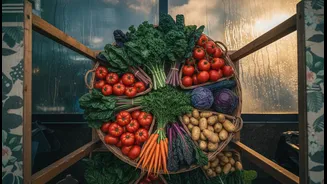
The most straightforward way weather impacts food prices is by directly damaging crops. India's agriculture is highly sensitive to climate shocks. Short-duration, perishable crops like tomatoes, onions, and potatoes—staples in most Indian households—are
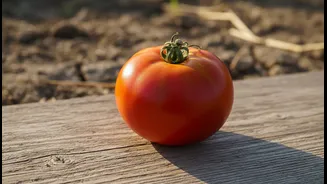
particularly vulnerable. For instance, unseasonal heavy rains in major growing regions like Himachal Pradesh and Karnataka can lead to significant declines in tomato production. In 2023, this caused wholesale prices to skyrocket from ₹18 per kilogram to as high as ₹67 in a matter of weeks. Similarly, hailstorms in Maharashtra have been known to decimate onion harvests, while frost in Uttar Pradesh can ruin potato output. When a large portion of a crop is destroyed before it can even be harvested, the supply entering the market shrinks dramatically, leading to an immediate and sharp price increase for consumers.
The Monsoon's High-Stakes Gamble
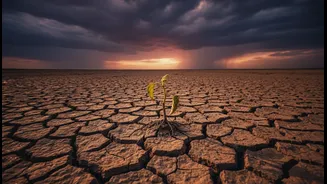
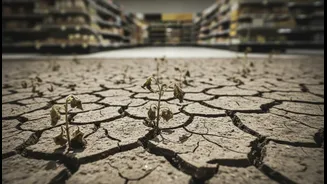
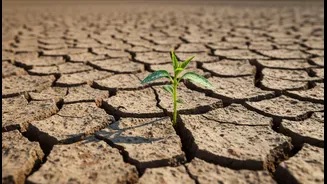
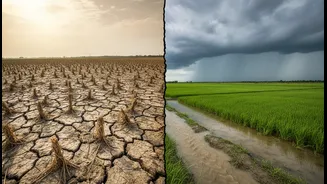
The southwest monsoon is the lifeline for Indian agriculture, with a vast portion of the country's farmland being rain-fed. An erratic or delayed monsoon can have a cascading effect on food prices. A weak start to the monsoon, as seen in June 2026 which was one of the driest on record, severely delays the sowing of critical kharif crops like rice, pulses, and oilseeds. This delay creates uncertainty and can lead to lower yields later in the season. Even if a farmer produces a marketable surplus, higher food prices don't always translate to higher income, as they are also consumers who must buy other essential food items from the market at inflated prices. The El Niño phenomenon often weakens the Indian monsoon, creating drought-like conditions that further threaten agricultural output and drive up food inflation.
When Heatwaves Cook the Books
Intense and prolonged heatwaves, which are becoming more frequent, pose another significant threat. Extreme heat during a crop's growth stage can severely reduce yields. Wheat, for example, is vulnerable to heat stress during its grain-filling stage in March. In 2022, a major heatwave led to a 10-15% reduction in wheat yields, prompting India to restrict exports to ensure domestic food security. Heat doesn't just affect crops; it also stresses livestock, potentially reducing milk production and poultry output. These heat-induced production shortfalls contribute to higher food inflation, adding pressure on household budgets and challenging the Reserve Bank of India's inflation-targeting efforts.
The Supply Chain's Weakest Links
The impact of weather extends far beyond the farm gate. Extreme weather events disrupt the entire food supply chain. Floods and heavy rains can damage roads and railways, making it difficult to transport produce from farms to mandis and from wholesale markets to retailers. This logistical nightmare not only causes delays but also increases the risk of spoilage, especially for perishable goods like vegetables. Furthermore, a lack of adequate climate-controlled storage and transport infrastructure means that a significant portion of produce is lost post-harvest. When a weather event damages both the crop in the field and the harvested produce in storage or transit, the result is a compounded supply shock that inevitably gets passed down to the consumer in the form of higher prices.