


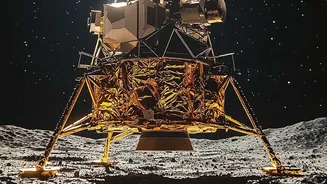


What is Planetary Protection?
Planetary protection is the practice of preventing biological contamination between Earth and other celestial bodies. It’s a two-way street. The first, called 'forward contamination,' aims to stop Earthly microbes from hitching a ride on spacecraft and corrupting
the natural state of other worlds. This is crucial for science; we don't want to mistake a microbe we brought with us for a sign of alien life. The second is 'backward contamination,' which is about protecting Earth from potentially harmful extraterrestrial materials brought back from sample return missions. NASA has an entire Office of Planetary Protection dedicated to developing policies and technologies to manage these risks, ensuring that our exploration is responsible.
A New, More Complicated Lunar Environment
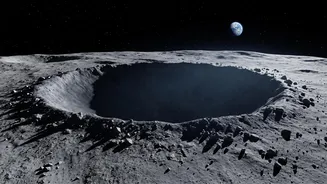
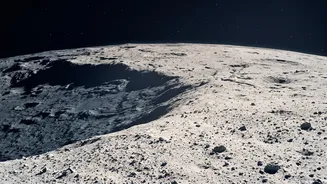
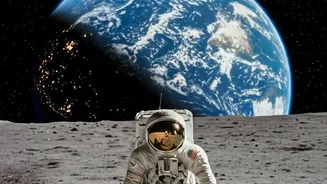
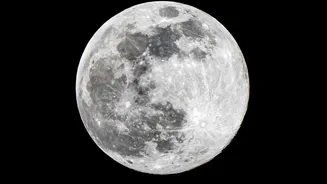
During the Apollo era, the Moon was largely considered a dead, sterile world, and after the first few missions, planetary protection protocols were relaxed. But our understanding has changed. We now know the Moon’s poles contain permanently shadowed regions (PSRs) where temperatures are cold enough to trap water ice. These areas have become prime targets for future Artemis missions because of this resource. However, a new study led by NASA planetary scientist Prabal Saxena reveals these exact locations could also act as protective niches for Earthly microbes. The Moon’s minimal tilt creates long shadows that shield these craters from the Sun's sterilizing ultraviolet radiation, creating microclimates where hitchhiking organisms might survive.
The Risk of Forward Contamination
The recent NASA study, published in August 2026, used computer simulations to see how well common Earth microbes might fare in these shadowed lunar regions. The researchers modeled conditions at several potential Artemis landing sites near the south pole and tested the resilience of five microorganisms often found on spacecraft. The results were surprising: the models showed that some hardy bacteria and fungi could temporarily survive, especially in shaded areas that protect them from extreme temperatures and UV rays. While they aren't expected to thrive or multiply, their mere survival poses a problem. Surviving cells or even their organic remnants could contaminate scientifically valuable areas, complicating the search for pristine lunar materials and the building blocks of life.
Backward Contamination and Future Rules
The challenge isn't just about what we leave behind. As we plan more ambitious missions, including bringing lunar samples back from new and interesting locations, the risk of backward contamination returns to the spotlight. While the Moon is generally considered safe for sample return, the increasing pace of exploration from multiple countries and private companies complicates the picture. Some scientists are now advocating for a more cautious approach, even proposing the construction of a secure quarantine facility on the Moon itself to analyze materials before they are ever brought to Earth. This would act as a buffer, ensuring our planet is protected from any unknown biological risks.
Drafting a New Rulebook for the Moon
Currently, planetary protection requirements for the Moon are relatively simple, focused mostly on documenting what materials and organics are being sent there. However, the findings of the latest study and the impending reality of a sustained human presence are prompting a rethink. Mission planners now have a reason to treat shaded lunar terrain as a contamination concern. NASA and international bodies like the Committee on Space Research (COSPAR) are continually updating their policies to keep pace. The goal is to balance the ambitious goals of the Artemis program with the scientific and ethical responsibility to preserve the lunar environment for future generations of explorers and scientists.