





The World Turns Green and Alive
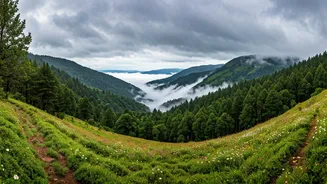
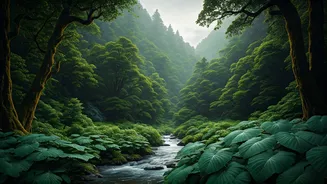
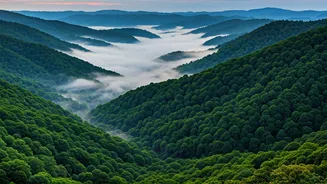
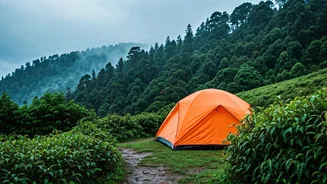
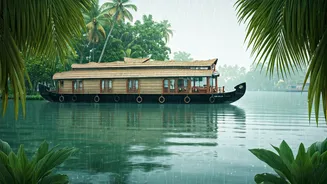
The most immediate and breathtaking reward of monsoon camping is the visual transformation of the landscape. The parched, dusty browns of summer give way to an almost impossibly vibrant palette of greens. Hillsides that were barren just weeks before are
now carpeted in lush vegetation. Waterfalls, often just a trickle for most of the year, roar back to life, carving dramatic paths down mountainsides. Camping in places like the Western Ghats—be it near Lonavala in Maharashtra or in the rolling hills of Coorg in Karnataka—feels like stepping into a different, more magical world. The low-hanging mist that weaves through the valleys creates an ethereal atmosphere, shrouding and revealing the scenery in a slow, dramatic dance. It’s a photographer’s dream and a nature lover’s paradise.
A Symphony of Natural Sounds
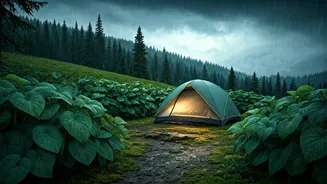
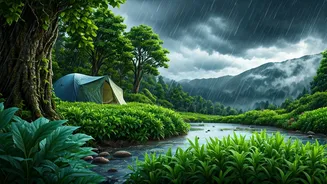
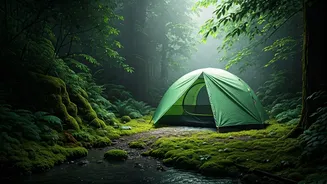
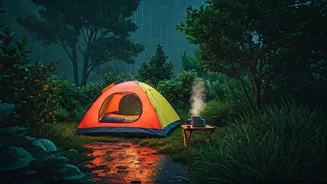
Forget your sleep apps and white noise machines. Monsoon camping offers the most authentic and immersive soundscape imaginable. The rhythmic drumming of rain on your tent canvas is profoundly comforting, creating a cozy barrier between you and the elements. This is punctuated by the chorus of the wild: the gushing of a newly formed stream nearby, the distant rumble of thunder, and the chirping and croaking of insects and frogs celebrating the downpour. It’s a constant, living soundtrack that disconnects you from the noise of the city and plugs you directly into the pulse of nature. This auditory experience alone is a form of meditation, washing away stress and promoting a deep sense of peace.
Fewer Crowds, More Solitude
Popular tourist spots and trekking trails are often overrun during peak seasons. The monsoon, however, acts as a natural filter, scaring off the casual crowds. For those willing to brave the rain, this means having stunning vistas and serene trails largely to yourself. You can experience the raw beauty of a place without the chatter and commotion of hundreds of other visitors. This solitude offers a more intimate and personal connection with the environment. It’s an opportunity to reflect, explore at your own pace, and truly feel like you’ve escaped. The sense of accomplishment after completing a rainy-day trek to your campsite is magnified when you know you're one of the few who dared.
The Ultimate Cozy Feeling
There’s a unique pleasure, a feeling the Danes call 'hygge', that comes from being warm, dry, and comfortable while it’s pouring rain outside. This feeling is amplified tenfold when you’re in a tent. After a day of trekking through mist and drizzle, changing into a dry set of clothes and zipping up your tent creates an incredible sense of sanctuary. Brewing a hot cup of tea or instant soup on a small camping stove becomes a cherished ritual. The simple act of reading a book by headlamp or sharing stories with a friend as the rain patters outside feels deeply comforting and memorable. These simple pleasures are the soul of monsoon camping.
Gear Up: Your Monsoon Armour
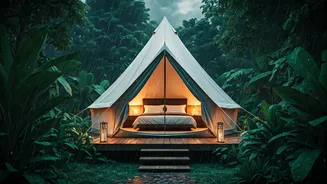
The difference between a miserable trip and a magical one lies in preparation. Your gear is your best friend. First, invest in a good quality waterproof tent with a reliable rainfly. Seam-sealing your tent beforehand is a pro tip. Second, pack everything inside your backpack in waterproof dry bags or, at a minimum, sturdy plastic bags. This goes for clothes, electronics, and your sleeping bag. Wear quick-drying synthetic clothing (avoid cotton, which stays wet and cold) and a reliable waterproof jacket. Sturdy, high-ankle trekking shoes with excellent grip are non-negotiable for navigating slippery and muddy trails.
Tackling the Monsoon Critters
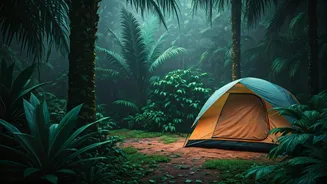
Let’s address the slithery elephant in the room: leeches. Yes, they are common in the wet forests of the Western Ghats. But they are more of a nuisance than a danger. Carry a small pouch of salt or a sanitiser spray to easily dislodge them. Wearing leech socks or tucking your trousers into your socks can prevent most from getting to your skin. A good insect repellent will also help keep other bugs at bay. Always check the weather forecast before you leave, inform someone of your itinerary, and never camp too close to a riverbed that could swell unexpectedly. A little awareness makes all the difference.