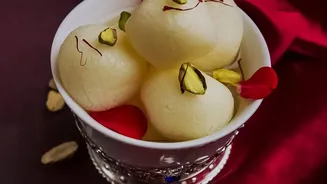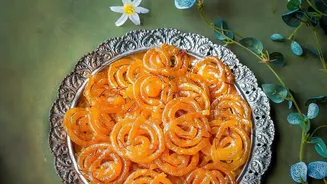



The Soul of Janmashtami Feasting
Janmashtami celebrations are spiritually and emotionally centered around the offering of 'bhog' to Lord Krishna. Classics like Makhan Mishri, Panjiri, and Kheer are more than just food; they represent devotion and love. Makhan Mishri, a simple mix of fresh
white butter and rock sugar, is believed to be Krishna's favourite. Panjiri, a roasted mix of coriander or wheat flour with ghee, sugar, and nuts, is a nutritious prasad offered in many homes. And of course, no festival feels complete without a creamy, comforting kheer. These dishes form the heart of the celebration, connecting generations through shared flavours and rituals.
Reimagining Sweets with a Healthy Twist
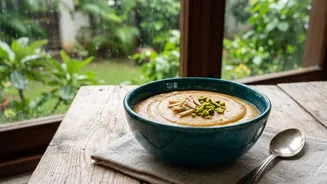
Bringing new energy to these classics doesn’t mean losing their essence. One of the easiest and most popular modern approaches is to make them healthier. Swap refined sugar for natural sweeteners like jaggery or dates. For instance, a Dates Basundi or a Dry Fruits Ladoo offers sweetness without processed sugar. You can also make Anjeer (Fig) Peda for a unique flavour profile. Instead of deep-frying, try baking or air-frying savouries like gujiya or sabudana vadas. For kheers and other milk-based sweets, using low-fat milk or even alternative milks like almond milk can reduce the calorie count while maintaining a creamy texture. A Carrot and Dates Kheer is a perfect example of a modern, health-conscious festive dessert.
Global Flavours, Desi Heart
Another exciting way to innovate is by introducing fusion concepts. The flavours of Janmashtami sweets are versatile and can be incorporated into globally popular dessert formats. Imagine a creamy Mango Shrikhand, where the traditional hung curd dessert gets a fruity lift. Or consider a Thandai Mousse, which transforms the classic festive drink into a light, airy dessert. Even chocolate can find a place on the bhog thali with creations like Cocoa-Makhan Bites—a modern take on Makhan Mishri—or Chocolate Coconut Laddoos. These fusion dishes are not about replacing the original but celebrating its flavours in a new and unexpected form.
Deconstructed Delights and Modern Presentation
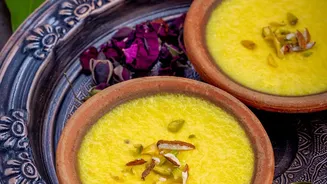
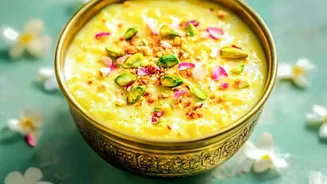
For the more adventurous cook, deconstruction offers a path to creativity. Think of the core flavours of a dish and present them in a new way. A Panjiri Parfait, for example, layers the traditional roasted flour mixture with yogurt or cream and fruits in a glass, turning a humble prasad into a sophisticated dessert. This approach also highlights the importance of presentation. Serving a classic Mewa Paag cut into precise, clean diamond shapes, or garnishing a simple kheer with artfully arranged nuts and edible flowers can instantly elevate the dish. Even a familiar sweet like Kalakand can feel new when presented as individual, bite-sized pieces.
Savoury Innovations for Fasting Feasts
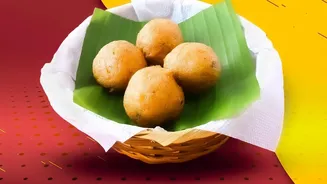
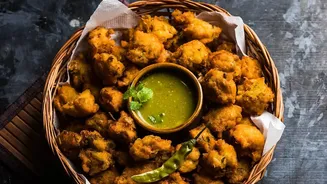
The creative spirit isn't limited to sweets. Many observe a fast on Janmashtami, and the savoury 'vrat' food can also be revitalized. While Sabudana Khichdi is a staple, you can experiment with formats like Sabudana Thalipeeth or even a Sabudana Dosa. Instead of the usual potato dishes, try making a Sago Uttapam with vegetables or Paneer Rolls for a change. Using fasting-permissible flours like water chestnut flour (singhara atta) or amaranth flour (rajgira) to create parathas or puris to serve with a light yogurt-based curry is another way to add variety to the menu.