





Understanding the Shravan Diet
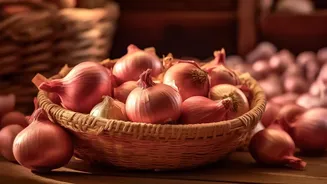
The month of Shravan, which in 2026 begins around July 30th for North India, aligns with the peak of the monsoon season. Traditionally, this period is for spiritual discipline, which includes observing a sattvic diet. This means avoiding non-vegetarian
food, eggs, onions, and garlic. The focus shifts to fresh, light, and easy-to-digest foods. This ancient practice has a seasonal logic: digestion is believed to be weaker during the humid monsoon, and a sattvic diet helps keep the body light and the mind calm. The diet primarily consists of fruits, specific vegetables, dairy products, and alternative grains like buckwheat and amaranth, seasoned with rock salt (sendha namak) instead of regular salt.
The Glorious Gourd Family
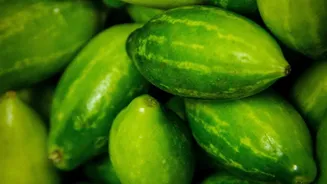
Gourds are superstars of the monsoon kitchen. Vegetables like bottle gourd (lauki), ridge gourd (turai), and pumpkin (kaddu) are plentiful during this season. They are high in water content, incredibly light on the stomach, and versatile. Lauki can be transformed into a simple sabzi using cumin, ginger, and tomatoes, or even a sweet kheer for a vrat-friendly dessert. Pumpkin, with its subtle sweetness, is perfect for a classic kaddu ki sabzi, often balanced with tangy amchoor (dried mango powder). These vegetables absorb flavours well and can be cooked without onion or garlic, using ginger and green chillies for a fresh, aromatic base.
Essential Root Vegetables
While many vegetables are avoided, certain root vegetables are central to Shravan cooking. Potatoes (aloo), sweet potatoes (shakarkandi), and colocasia (arbi) are permitted and provide essential carbohydrates for energy during fasting. Potatoes are a fasting staple, famously used in dishes like jeera aloo or a simple tomato-based curry to be eaten with kuttu ki puri (buckwheat flatbread). Arbi requires careful cooking but rewards with a unique, earthy flavour, often prepared as a dry stir-fry with ajwain (carom seeds). Sweet potatoes can be simply boiled or roasted and eaten as a snack, offering a naturally sweet and filling option.
Other Vrat-Friendly Vegetables
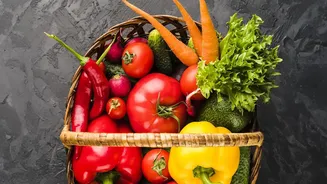
The Shravan pantry also includes other versatile produce. Raw bananas are a fantastic alternative to potatoes and can be used to make sabzis or even homemade chips. Cucumber is another excellent choice; it's cooling, hydrating, and can be eaten raw, added to raita, or made into a light sabzi. Tomatoes, though technically a fruit, are widely used as a base for many curries to provide a tangy flavour profile in the absence of onions. Some traditions also include amaranth leaves (chaulai), a leafy green that grows well in the monsoon and is packed with nutrients.
Monsoon Fruits and Dairy
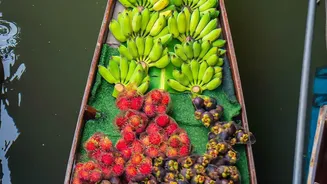
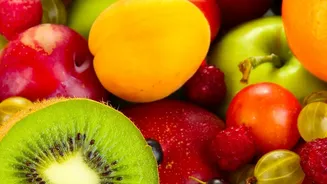
Fruits are an integral part of the falahaari diet observed by many during Shravan. The season offers a wonderful bounty, including Jamun (black plum), pears, peaches, and pomegranates. These fruits not only provide natural sugars for energy but also essential vitamins and hydration. Dairy products like milk, yogurt (curd), and paneer are also widely consumed. While some avoid curd due to its cooling nature during the damp monsoon, many use it to make raita or lassi. Paneer can be cooked in a simple tomato-based gravy or lightly sautéed with black pepper for a protein-rich meal.
Spices and Grains for Fasting
Cooking without onion, garlic, turmeric, or garam masala might seem restrictive, but Shravan recipes rely on a different set of flavour builders. Cumin seeds, ginger, green chillies, black pepper, and cloves are commonly used to add warmth and aroma to dishes. Rock salt (sendha namak) is used for seasoning. For grains, wheat and rice are often replaced with vrat-friendly flours and millets. Buckwheat flour (kuttu), water chestnut flour (singhara), and amaranth flour (rajgira) are used to make puris and rotis. Barnyard millet (samak rice) is another popular substitute, often used to make a light pulao or creamy kheer.