

The Sodium Advantage Over Lithium
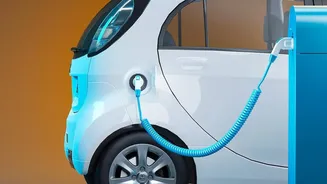
At the heart of every electric vehicle is its battery, and for years, that has meant lithium-ion. While effective, lithium-ion batteries have a major drawback: cost. Lithium is a rare material, often called "white gold," with a complex and geopolitically
sensitive supply chain. This directly inflates the price of EVs, keeping them beyond the budget of many Indian buyers. Sodium-ion batteries offer a radical alternative. The core material, sodium, is one of the most abundant elements on Earth, found readily in common salt. This sheer availability means the raw material cost is significantly lower. Estimates suggest sodium-ion batteries could be 30-50% cheaper to produce than their lithium-ion counterparts, a saving that could be passed directly on to the consumer.
Perfect for the Indian Commuter
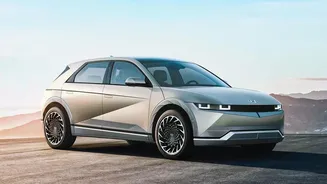
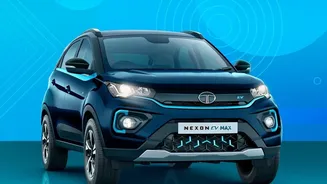
While early sodium-ion technology comes with trade-offs, these align surprisingly well with the needs of the average Indian driver. The primary limitation is lower energy density, meaning they store less power for their size compared to high-end lithium batteries. For a country where most driving is done within the city for daily commutes, ultra-long range is often a secondary concern to price. A car with a realistic range of 200-250 km is more than sufficient for the vast majority of urban and semi-urban journeys. Therefore, sodium-ion batteries are perfectly suited for entry-level hatchbacks and compact SUVs, the very segments that dominate the Indian car market. These batteries also perform well in a wider range of temperatures and are considered inherently safer, with a lower risk of the thermal runaway fires that have been a concern with some lithium chemistries.
A Boost for 'Make in India'
This technological shift is not just about cheaper cars; it's a strategic opportunity for India's 'Atmanirbhar Bharat' (self-reliant India) mission. Reducing dependence on imported lithium, cobalt, and nickel is a major national priority. Several Indian companies are already making significant strides in this space. Firms like Indi Energy are pioneering the commercialization of sodium-ion cells, even using agricultural waste to produce the required hard carbon, creating a uniquely Indian supply chain. Pune-based Rechargion is another startup, spun off from a national laboratory, developing sodium-ion batteries specifically for Indian conditions, initially targeting the massive two and three-wheeler market. Furthermore, Reliance Industries' acquisition of UK-based sodium-ion specialist Faradion signals serious corporate intent to manufacture this technology at scale in India.
The Road to the Showroom
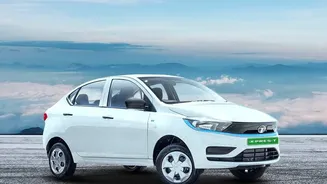
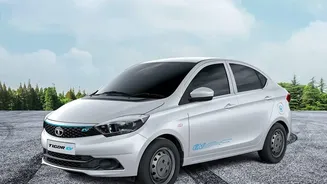
So, when can you buy an affordable EV powered by a sodium-ion battery? The transition won't happen overnight. While the technology is proven, scaling up mass production is the next major hurdle. Currently, the most affordable EVs in India, like the Tata Tiago EV and MG Comet, hover around the ₹7-8 lakh price point. The introduction of sodium-ion could push this entry point significantly lower, potentially bringing new electric cars into the ₹5-7 lakh bracket, a true game-changer for the market. Experts believe the first applications will be in e-rickshaws, two-wheelers, and energy storage systems where size and weight are less critical. As manufacturing matures and energy density improves, a process that could take the next two to three years, their use in passenger cars will become widespread. The technology is here, and the race to put it on Indian roads has officially begun.