



The Ancient Science of Fermentation
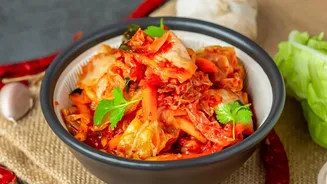
At its core, fermentation is a natural metabolic process where microorganisms like bacteria and yeast convert carbohydrates into alcohol or acids. For thousands of years, long before refrigerators, it was a primary method of preserving food. In the context
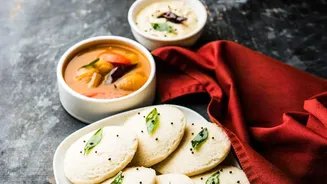
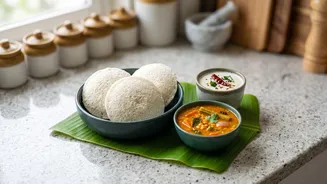
of Indian cuisine, this process is responsible for the distinct sour tang and airy texture of beloved dishes like idli and dosa. When rice and lentils are soaked, ground, and left to sit overnight, a world of microbial activity begins. Wild yeasts and beneficial bacteria, particularly Lactic Acid Bacteria (LAB), get to work, breaking down the starches and proteins in the batter. This not only makes the food easier to digest but also fundamentally changes its nutritional profile for the better.
A Microbial Vitamin Factory
One of the most remarkable outcomes of fermentation is the synthesis of B-group vitamins. While rice itself contains some B vitamins, the fermentation process acts like a tiny vitamin factory. The microorganisms involved in fermentation are capable of producing these essential nutrients as part of their natural life cycle. Studies have shown that fermentation can significantly increase the levels of several B vitamins, including riboflavin (B2), niacin (B3), thiamine (B1), and even Vitamin B12. Vitamin B12 is particularly noteworthy, as it is primarily found in animal products, making fermented rice dishes an important potential source for vegetarian and vegan diets. This microbial enrichment transforms a simple grain batter into a more nutritionally complex and beneficial food.
From Idli and Dosa to Panta Bhat
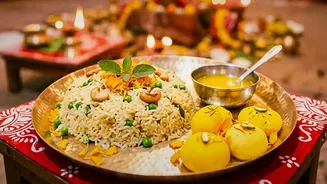
The most famous examples of fermented rice in India are undoubtedly idli and dosa. The overnight fermentation of the rice and urad dal batter is what gives these South Indian staples their characteristic texture and taste, and also their vitamin boost. But this practice isn't limited to the south. Across Eastern and Southern India, dishes known as Panta Bhat (Bengal), Poita Bhat (Assam), Pakhala (Odisha), and Pazhaya Sadam (Tamil Nadu) utilize the same principle. These dishes involve soaking leftover cooked rice in water overnight. The resulting fermentation not only cools the body but also enriches the rice with B vitamins and makes minerals like iron more available. This humble meal, often considered a 'poor man's breakfast', is actually a testament to traditional nutritional wisdom.
Why B Vitamins Matter
The B vitamins created during fermentation are crucial for our overall health. They play a vital role in energy metabolism, helping our bodies convert the food we eat into usable energy, which can help combat fatigue. These vitamins are also essential for maintaining a healthy nervous system, supporting brain function, and aiding in the formation of red blood cells. Furthermore, the fermentation process as a whole is incredibly beneficial for gut health. It introduces probiotics—beneficial bacteria—into our digestive system. A healthy gut microbiome is linked to improved immunity, better digestion, and even a positive impact on mental well being through the gut brain axis.