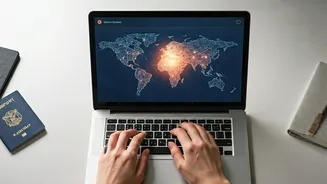









The Death of the Spontaneous Getaway?
For decades, youth travel was defined by a certain carefree spirit. You’d find a cheap flight, pack a bag, and figure out the rest on arrival. That romantic notion is being replaced by a far more calculated approach. Recent studies and industry reports
show a significant shift in how young people plan their holidays. Before they even click ‘book’, they are diving deep into government travel advisories, health warnings, and local news reports. According to a 2023 report from Morning Consult, safety is a top priority for Gen Z travellers, often outweighing cost and even the 'Instagrammability' of a destination. This isn't about a lack of adventurous spirit; it's about the rise of the informed adventurer.
A Generation Shaped by Disruption
To understand this shift, you have to look at the world this generation grew up in. Gen Z and younger millennials are digital natives who have come of age during a period of unprecedented global disruption. Their formative years have been bookended by major crises, from the long shadow of 9/11 to the global financial crash, the COVID-19 pandemic, and the escalating climate crisis. Unlike previous generations who may have experienced travel as a form of pure escape, this cohort understands that global events can have very personal and immediate consequences. The pandemic, in particular, taught a harsh lesson about how quickly borders can close and travel plans can evaporate, leaving people stranded. This has instilled a sense of pragmatism and a desire for control in a world that often feels chaotic.
The New Digital Pre-Flight Checklist
So, what does this new pre-travel research look like? It’s a multi-layered digital investigation. It starts with official sources, like the Ministry of External Affairs’ advisories or the websites of foreign embassies, which provide information on everything from visa requirements to political stability. Next, they move to health. Travellers are checking for disease outbreaks, vaccination requirements, and the quality of local healthcare—a habit solidified by the pandemic. But the research doesn't stop there. This generation turns to social media platforms like TikTok and Instagram, not just for inspiration, but for real-time safety intelligence. They search for hashtags related to their destination to see on-the-ground reports from other travellers about everything from tourist scams to safe neighbourhoods for solo female travellers.
Safety Beyond Physical Threats
For young travellers today, ‘safety’ is a much broader concept. It extends beyond personal security to include social and ethical considerations. Before visiting a country, many are researching its human rights record, particularly its laws and social attitudes regarding LGBTQ+ individuals and women. They are conscious of ‘overtourism’ and look for information on how to travel more sustainably, avoiding destinations that are struggling under the weight of too many visitors. This holistic view of safety is about ensuring their travel is not just safe for them, but also responsible and respectful towards the people and places they visit. Their spending and travel choices are becoming a reflection of their values.
How the Travel Industry is Responding
The travel industry is taking notice. Airlines and booking platforms are integrating more flexible cancellation policies, which became a standard expectation after the pandemic. Travel insurance is no longer an afterthought but a primary consideration, with policies that cover a wider range of disruptions. Tour operators catering to young people are increasingly highlighting their safety protocols and commitment to responsible tourism in their marketing. We are seeing a rise in apps and services that consolidate safety information, providing real-time alerts to travellers on the go. For the travel industry, transparency is no longer optional; it’s a core part of building trust with a new, highly informed generation of customers.