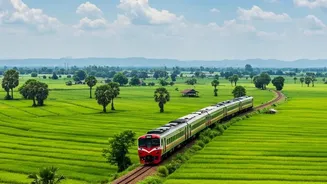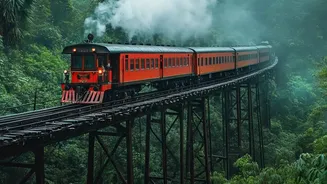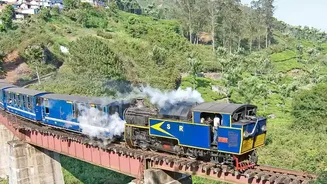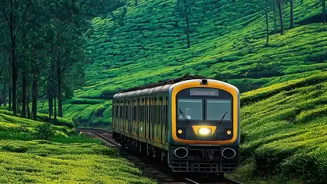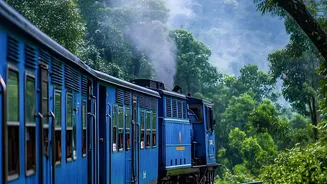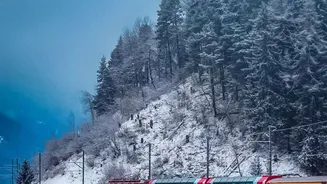


Forget cramped compartments and fleeting glimpses. India's Vistadome trains are redefining scenic travel with panoramic windows, glass roofs, and rotating seats, turning the journey itself into the main attraction. Here are the best routes.
What is a Vistadome Coach?
First, what
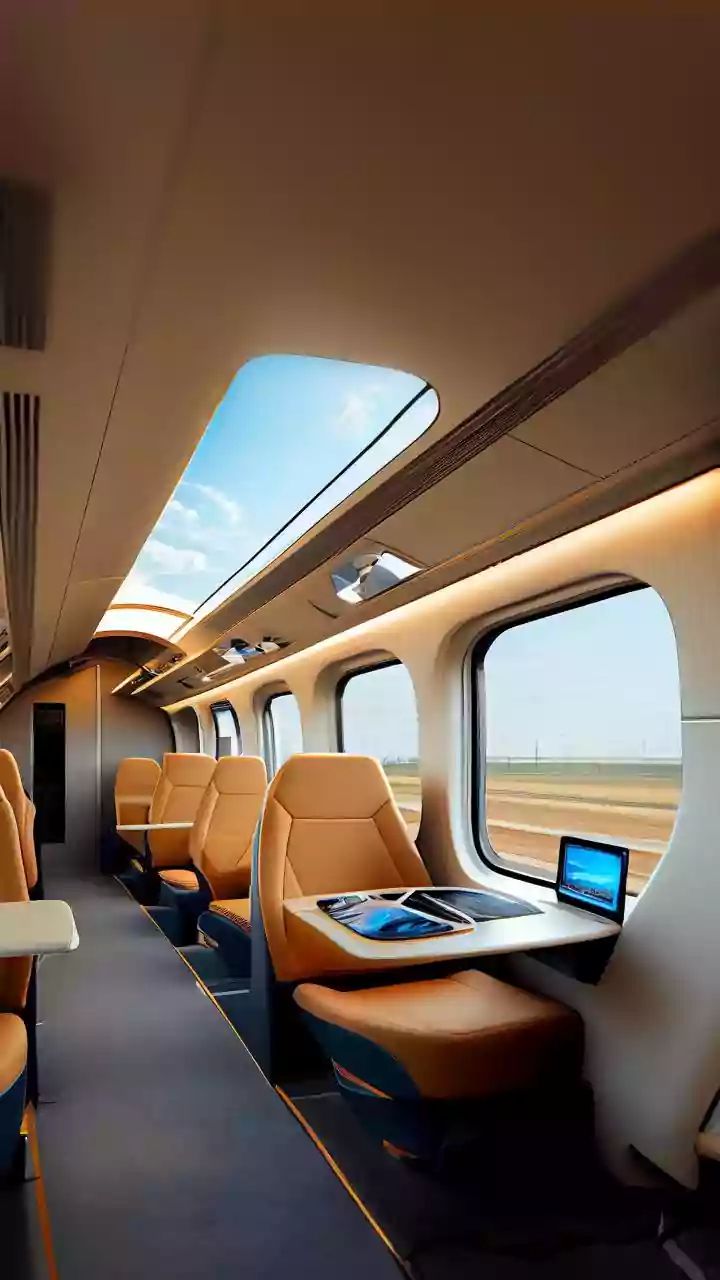
exactly is this travel experience? A Vistadome coach is a specially designed carriage by Indian Railways with features aimed at providing an immersive sightseeing experience. Key highlights include oversized glass windows, a transparent glass roof, and an observation lounge at the rear for a panoramic view. The seats can rotate 180 degrees, allowing passengers to always face the direction with the best scenery or socialise with fellow travellers. These air-conditioned coaches also come equipped with modern amenities like an infotainment system, GPS-based information, mobile charging sockets, and a mini-pantry, ensuring comfort throughout the journey.
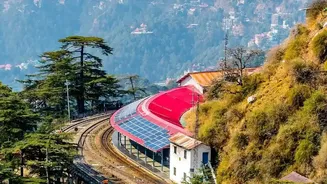
Kalka-Shimla Railway
A journey on this UNESCO World Heritage Site is like stepping back in time, but with modern comforts. The narrow-gauge railway line, built in the early 20th century, winds its way through the Himalayan foothills from Kalka to the hill station of Shimla. The Vistadome coach offers breathtaking views of the Shivalik mountain ranges, pine forests, and lush green valleys. This slow-paced journey traverses over 102 tunnels and 969 bridges, making it an engineering marvel and a visual delight. During winter, the landscape is often blanketed in snow, transforming the five-hour trip into a magical ride through a winter wonderland.
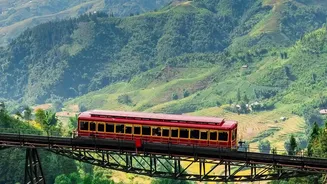
Visakhapatnam-Araku Valley
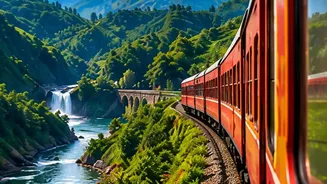
This was the first route in India to feature a Vistadome coach, and it remains one of the most spectacular. The train journey from the coastal city of Visakhapatnam climbs into the Eastern Ghats to reach the picturesque Araku Valley. For about four to five hours, passengers are treated to dramatic landscapes of deep valleys, dense forests, and cascading waterfalls. The train navigates through an impressive 58 tunnels and crosses 84 bridges. The Vistadome's glass-roof design provides an unparalleled perspective as the train snakes through the mountains, making it a favourite for photographers and nature lovers exploring the coffee plantations and tribal culture of Araku.
Mumbai–Madgaon (Goa)
Connecting two of India’s most popular destinations, this route offers a stunning journey along the Konkan coast and through the Western Ghats. Vistadome coaches are attached to trains like the Jan Shatabdi Express and Tejas Express. The journey is especially popular during the monsoon season when the landscape is at its most vibrant. Passengers can witness countless waterfalls cascading down cliffs, often right beside the tracks, and enjoy uninterrupted views of rain–soaked hills and swollen rivers. This route provides a front–row seat to the pristine beaches, lush countryside, and charming villages of the Konkan region before arriving in Goa.
Bengaluru–Mangaluru
This route showcases the rich biodiversity of the Western Ghats in Karnataka. After departing from Yesvantpur in Bengaluru, the train travels across the relatively flat Deccan plateau before beginning its dramatic descent at Sakleshpur. The highlight is the 45–kilometre stretch between Sakleshpur and Subrahmanya Road, a section renowned for its dense forests, deep gorges, and numerous waterfalls that become particularly spectacular during the monsoon. Booking a seat on the left side when travelling from Bengaluru is often recommended for the best, unobstructed valley views.
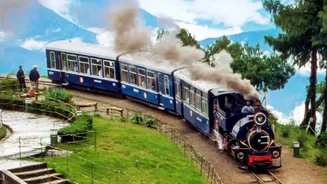
Darjeeling Himalayan Railway
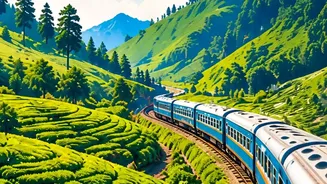
Another UNESCO World Heritage site, the 'Toy Train' of the Darjeeling Himalayan Railway offers a journey through tea gardens and magnificent mountain scenery. The Vistadome coach on this narrow–gauge line runs from New Jalpaiguri up to the famous hill station of Darjeeling. The slow, leisurely pace of the train allows passengers to soak in the views of the surrounding hills and, on clear days, even catch a glimpse of the Kanchenjunga peak. The train winds through bustling market towns and serene forests, providing a unique ground–level view of life in the Eastern Himalayas.