

The New Definition of Off-Season
For years, the Indian travel calendar was predictable: winter for beach holidays in Goa and desert tours in Rajasthan, and summer for escaping to the Himalayas. The monsoon months, from roughly June to September, were considered the off-season — a time
of inconvenient downpours and travel disruptions. But that perception is rapidly washing away. Recent data shows a significant spike in travel during the rainy season, with hotel bookings surging by nearly 54% year-on-year in some reports. Platforms like Airbnb have noted a nearly 40% rise in searches for domestic monsoon getaways, signalling that the season is no longer a deterrent, but a primary attraction.
It's About More Than Just Discounts
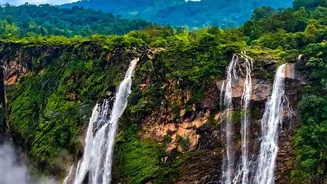
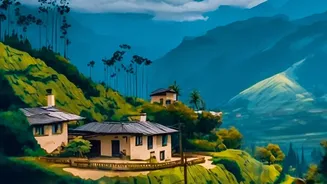
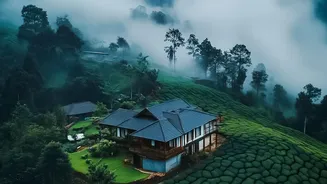
While more affordable flights and hotel stays are certainly a perk of travelling during what is traditionally a leaner period, the trend isn't just budget-driven. Travellers are actively seeking the unique experiences that only the monsoon can offer. The primary draw is the landscape itself, which transforms into a lush, green paradise. Hills and valleys burst with waterfalls, forests become impossibly vibrant, and the air feels cooler and cleaner. This desire for a different kind of beauty — misty, dramatic, and serene — is pulling people away from the sun-scorched peak seasons. The bonus? Fewer crowds at popular landmarks, offering a more peaceful and personal travel experience.
The Rise of the 'Micro-Cation'
This monsoon boom is also fuelled by a change in how people vacation. Instead of one long annual holiday, many, particularly younger Gen Z travellers, are opting for several shorter trips, or 'micro-cations', throughout the year. These spontaneous getaways, often lasting just three to five days over a long weekend, fit perfectly into busy work schedules. The monsoon season, with its series of refreshing weekends, provides the ideal opportunity for these quick escapes to nearby hill stations or nature retreats. Travellers are increasingly looking beyond major cities, with searches for non-metro destinations growing by over 40%, reflecting a desire to experience the monsoon where it truly transforms the landscape.
Where the Rain Beckons
From the Western Ghats to the Himalayan foothills, specific destinations are becoming monsoon hotspots. In the south, Kerala's backwaters and tea plantations in Munnar become breathtakingly green. Coorg in Karnataka, known for its coffee estates, and Wayanad are seeing hotel bookings skyrocket. In Maharashtra, hill stations like Lonavala and Mahabaleshwar are classic weekend choices for city dwellers from Mumbai and Pune. Even Rajasthan's lake cities, like Udaipur, take on a romantic charm under overcast skies. Goa, traditionally a winter destination, now offers a quieter, more relaxed vibe with lush landscapes and dramatic seascapes that appeal to those looking to escape the crowds.
Adventure in the Downpour
Monsoon travel isn't just about serene views; it's also about adventure. The rain revitalises nature, creating new opportunities for thrilling activities. Trekking is a major draw, with trails in the Sahyadris of Maharashtra leading to historic forts surrounded by mist and seasonal waterfalls. The journey to the Valley of Flowers in Uttarakhand, a UNESCO World Heritage Site, is a sought-after monsoon trek as the valley floor erupts in a carpet of colourful alpine flowers. In destinations like Rishikesh, adventurers can still enjoy activities like rafting, while Goa's mighty Dudhsagar Falls becomes a spectacular sight, attracting trekkers and photographers.