





What is Low-Impact Trekking?
Low-impact or responsible trekking is about more than just carrying your litter out. It’s a philosophy centred on leaving a minimal footprint while making a positive contribution. This involves adhering to Leave No Trace principles, such as sticking to existing
trails, properly disposing of waste, and respecting wildlife. [24, 26, 28] Crucially, it also means making conscious economic and social choices. This includes hiring local guides, staying in community-run guesthouses or yurt camps, and buying local produce. [6] By doing so, your travel funds directly support the rural families who are the custodians of these beautiful environments, ensuring tourism is a force for good. [18]
The eVisa Advantage for Central Asia
Gone are the days of complex, time-consuming visa applications for Central Asia. Several 'Stans' now offer straightforward electronic visa (eVisa) systems for Indian passport holders, making trip planning significantly easier. [18, 23, 33] Countries like Kyrgyzstan, Tajikistan, and Uzbekistan have streamlined their processes, allowing travellers to apply online from home. [17, 34] This digital shift has opened up a region once considered difficult to access, putting some of the world's most spectacular and untouched trekking destinations within reach for adventurous Indians. Always check the official government portals for the latest rules and processing times before you apply. [33]
Kyrgyzstan: A Paradise of Alpine Lakes
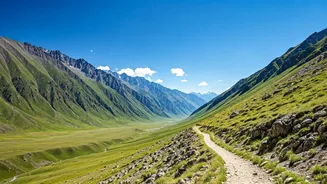
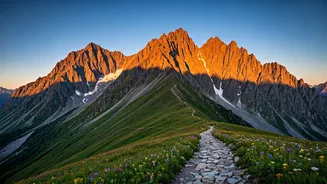
Often called the 'Switzerland of Central Asia', Kyrgyzstan is a trekker's dream, with 90% of its territory being mountainous. [11] The country is a pioneer in community-based tourism (CBT), with a well-established network of homestays and yurt camps that make low-impact travel easy to arrange. [20, 21] Popular trekking areas include the trails around the vast Issyk-Kul Lake, such as the stunning multi-day hike to Ala-Kul Lake. [7, 14] For those seeking easier day hikes, Ala Archa National Park near the capital, Bishkek, offers accessible trails through forests and alpine meadows. [15] The country's eVisa system is user-friendly, solidifying its reputation as one of the most accessible trekking destinations in the region. [34]
Tajikistan: The Roof of the World
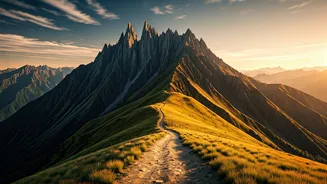
For trekkers seeking raw, high-altitude adventure, Tajikistan is unparalleled. It is home to the Pamir and Fann mountain ranges, which boast dramatic peaks, remote valleys, and breathtaking turquoise lakes. [8, 9, 25] The Fann Mountains, in particular, offer some of the most scenic trekking in Central Asia, with routes that take you past the famous Seven Lakes and the stunning Kulikalon and Alaudin Lakes. [8, 10, 13] Treks here are challenging, often crossing passes above 3,000 metres, so good physical preparation is essential. [9] Like its neighbours, Tajikistan offers an eVisa that simplifies entry, and many treks can be combined with a visit to the ancient Silk Road city of Samarkand in nearby Uzbekistan. [10, 12, 17]
Uzbekistan and Kazakhstan: Culture and Canyons
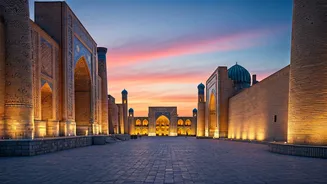
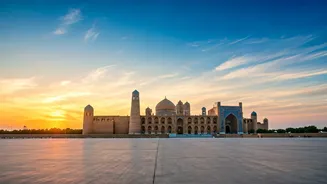
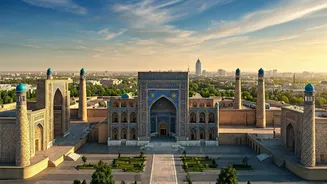
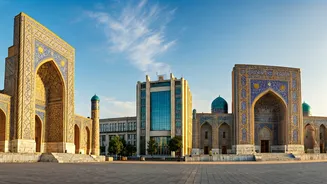
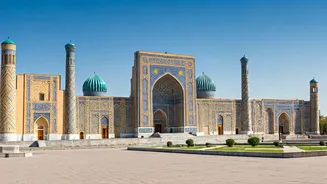
While famed for Silk Road cities like Samarkand and Bukhara, Uzbekistan also offers rewarding, lesser-known trekking. The Nuratau and Chimgan mountain ranges provide trails through lush valleys and traditional villages where community-run guesthouses offer authentic cultural immersion. [22, 32] These treks are often less strenuous than those in Kyrgyzstan or Tajikistan and can be easily combined with cultural sightseeing. [31] Kazakhstan offers a visa-free stay of up to 14 days for Indian citizens, making it perfect for shorter trips. [17, 23] Near Almaty, you can explore the stunning landscapes of Ugam-Chatkal National Park, with hikes to scenic spots like Sayram-Su Lake. [27]
Practical Tips for Your Low-Impact Trek
Thoughtful planning is the first step to a successful and responsible journey. Research and book with local tour operators who explicitly state their commitment to sustainable practices and employing local staff. The best time for high-altitude trekking is typically from June to September. [9] When packing, prioritise reusable items like a water filter bottle to avoid single-use plastics. Pack out everything you pack in, including organic waste. [30] Learn a few basic phrases in the local language (Russian is widely understood, along with Kyrgyz, Tajik, or Uzbek); it shows respect and enriches your interactions with the wonderful people you will meet along the trail.