



How Do Hydrogen Trains Work?
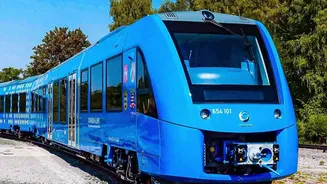
Imagine a train that emits only water vapour and heat. That is the promise of hydrogen-powered technology. Unlike traditional diesel engines that burn fuel, these trains use hydrogen fuel cells to generate electricity. Inside the fuel cell, hydrogen reacts
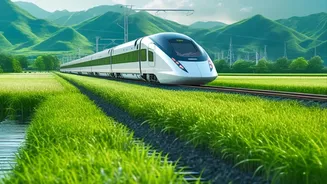
with oxygen from the air in a chemical process that produces electrical power. This power then drives the train's motors. The only byproduct is water, making it a zero-emission mode of transport at the point of use. This clean operation is a game-changer, eliminating the release of harmful pollutants like carbon dioxide, nitrogen oxides, and particulate matter that are associated with diesel locomotives. India's first hydrogen train, which began operations on the Jind-Sonipat route on July 17, 2026, showcases this very technology.
A Key Part of a Larger Green Mission
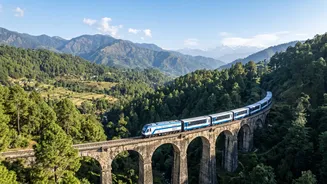
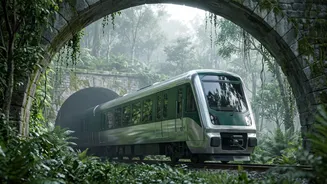
The push for hydrogen trains is not happening in isolation. It is a crucial component of Indian Railways' ambitious target to become a 'Net Zero Carbon Emitter' by 2030. This goal is one of the most aggressive decarbonisation targets for a major railway network globally. By replacing diesel engines, especially on routes that are difficult or costly to electrify, hydrogen trains offer a practical path towards this objective. The initiative also aligns with the national-level 'Panchamrit' climate goals and the National Green Hydrogen Mission, which aims to make India a global hub for green hydrogen production and export. The initial deployment, dubbed 'Hydrogen for Heritage', focuses on running these clean trains on scenic and ecologically sensitive hill routes, replacing older diesel-run trains and preserving the natural beauty of these tourist circuits.
The 'Hydrogen for Heritage' Initiative
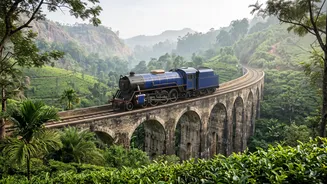
Indian Railways has planned to introduce 35 hydrogen trains specifically for its heritage routes. These tracks, like the Kalka-Shimla line, are architectural marvels but often run through fragile ecosystems where diesel emissions are particularly damaging. By retrofitting existing Diesel Electric Multiple Unit (DEMU) rakes with indigenous hydrogen fuel cell systems, the Railways aims to control costs while achieving its green objectives. The pilot project on the Jind-Sonipat section serves as a crucial technology demonstrator, providing invaluable data and operational experience. Successful trials on this route, which have tested speeds up to 120 kmph, pave the way for a targeted operational speed of 110 kmph on future routes. This indigenously developed project is a significant step forward, placing India in a select group of nations like Germany and Japan that are actively exploring hydrogen-powered rail.
Challenges on the Track Ahead
Despite the immense potential, the journey for hydrogen trains in India is not without its obstacles. The primary challenge is the high cost and limited availability of 'green hydrogen'—hydrogen produced using renewable energy. Currently, green hydrogen in India costs significantly more than diesel, although prices are falling. Building the necessary infrastructure for production, storage, and refuelling across a vast network requires substantial investment and coordination. Safety is another critical aspect, as hydrogen is highly flammable and requires specialised handling and storage protocols. The success of scaling up from the current pilot project will depend heavily on reducing these costs, developing a robust supply chain, and ensuring fail-safe operations across diverse terrains.