

The Bouquet Method for Freshness
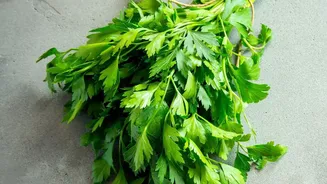
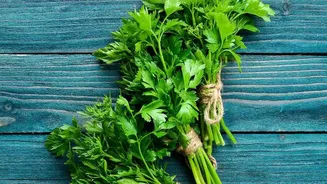
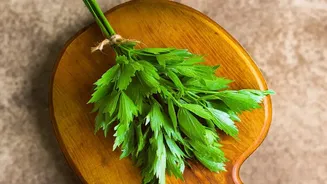
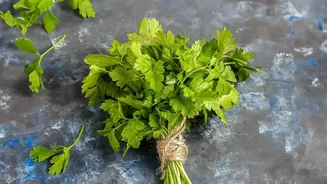
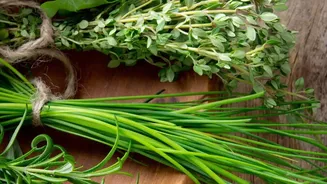
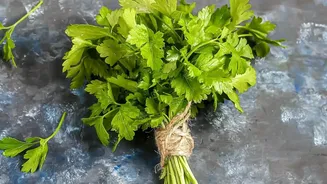
The best way to keep tender herbs like parsley fresh for up to three weeks is to treat them like a bouquet of flowers. First, wash the parsley and pat it dry. Trim the ends of the stems slightly. Place the bunch upright in a jar or container with enough
water to cover the stems, but not the leaves. To create a humid environment, you can loosely cover the top with a plastic bag. Store this 'parsley bouquet' in your refrigerator, changing the water every few days to maximise freshness.
Long-Term Storage: Freezing Parsley
Freezing is an excellent option for long-term storage, ensuring you have parsley on hand for months. One popular method is to chop the parsley, pack it into ice cube trays, and top it with a little water or olive oil before freezing. Once solid, you can transfer the cubes to a freezer bag. These cubes are perfect for tossing directly into soups, stews, and sauces. Alternatively, you can wash, thoroughly dry, and chop the parsley, then freeze it flat in a resealable bag. This allows you to break off just what you need for cooking.
Recipe Focus: Vibrant Tabbouleh
Tabbouleh is not a grain salad with some herbs; it's an herb salad where parsley is the undisputed star. This classic Middle Eastern dish uses a large quantity of finely chopped parsley, often multiple bunches, mixed with a smaller amount of mint, diced tomatoes, onion, and a bit of bulgur wheat. The whole salad is dressed simply with olive oil and fresh lemon juice. Making tabbouleh is a perfect way to use up a large amount of parsley, celebrating its fresh, bright, and slightly peppery flavour in every bite.
Recipe Focus: Zesty Chimichurri
Originating from Argentina, chimichurri is a flavour-packed, uncooked sauce that relies heavily on a base of fresh parsley. It's a rustic, vibrant green sauce made by combining finely chopped parsley, minced garlic, dried oregano, red wine vinegar, and olive oil. Some variations also include red pepper flakes for a bit of heat. Chimichurri is incredibly versatile; it's traditionally served with grilled steak but is equally delicious spooned over chicken, fish, roasted vegetables, or even used as a zesty marinade.
Recipe Focus: A Pesto with a Twist
While basil is the classic choice for pesto, parsley makes for a wonderfully fresh and budget-friendly alternative. Parsley pesto has a bright, peppery flavour that is less sweet than its basil counterpart. To make it, simply blend a large amount of fresh parsley with garlic, nuts (like pine nuts or walnuts), Parmesan cheese, lemon juice, and olive oil until it forms a smooth paste. This versatile sauce can be tossed with pasta, spread on sandwiches, dolloped onto roasted vegetables, or used as a base for a pizza.
More Than Just a Garnish
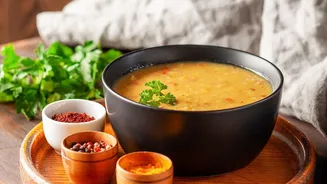
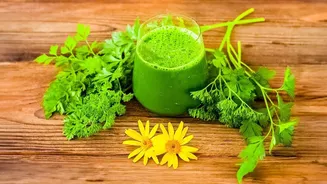
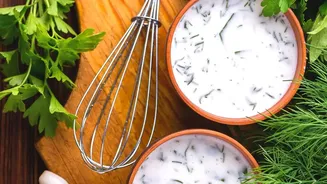
Once you start thinking of parsley as a primary ingredient, the possibilities are endless. Stir a generous handful of chopped parsley into dals, lentil soups, or stews right before serving to add a burst of freshness. Make a flavourful parsley butter by mixing it with softened butter, garlic, and lemon zest, which is perfect for melting over fish or spreading on bread. You can also blend it into dips like hummus, incorporate it into grain salads, or use it as the foundation for bright, herbaceous salad dressings.