



The Quest for Quality Control
Let’s be honest: we’ve all had moments of doubt while standing at our favourite momo stall. Is the water clean? What exactly is in that filling? The pandemic amplified these concerns, pushing hygiene to the top of everyone’s priority list. Making momos
at home offers complete transparency and control. You choose the freshest vegetables, you use filtered water, and you know exactly how clean your kitchen is. This isn't just about health; it's about peace of mind. In a world of uncertainty, controlling what’s on your plate feels like a significant win. The homemade momo is a delicious symbol of taking back control, one perfectly steamed dumpling at a time.
A Canvas for Kitchen Creativity
The classic street momo is fantastic, but the homemade version is a blank canvas. The obsession is fuelled by endless customisation. Don’t like cabbage? Swap it for finely chopped mushrooms and corn. Want a healthier option? Use a whole wheat (atta) wrapper instead of maida. From adding grated paneer and crumbled tofu for a protein punch to experimenting with different herbs and spices in the filling, the possibilities are limitless. This creative freedom transforms cooking from a chore into a form of self-expression. Every family now has its ‘secret’ momo recipe, a unique blend that caters perfectly to their tastes, turning a uniform street food into a highly personal delicacy.
More Than Food, It's an Activity
Making momos isn’t a one-person, five-minute job. It’s a project. You have to chop the vegetables, knead the dough, fill the wrappers, and then master the art of the fold. And that’s precisely its charm. It has become a popular group activity, a perfect way to spend a lazy Sunday afternoon with family or friends. Everyone can be assigned a task, turning the kitchen into a lively hub of conversation and collaboration. Unlike ordering in, the process itself creates connection and memories. The triumphant moment when you lift the lid off the steamer to reveal a batch of perfectly cooked momos is a shared victory.
The Economics of Feasting
Our love for momos can be an expensive habit. A single plate of six or eight dumplings from a good restaurant or delivery app can quickly add up, especially if you’re feeding a whole family. The economics of making them at home are overwhelmingly favourable. With the same amount of money you’d spend on two plates outside, you can buy ingredients to make 40-50 momos at home. This makes it a wallet-friendly way to indulge. It allows for guilt-free feasting where you don’t have to count every piece. For students, young professionals, and families alike, homemade momos offer maximum satisfaction for a minimal cost.
Perfect for Your Social Feed
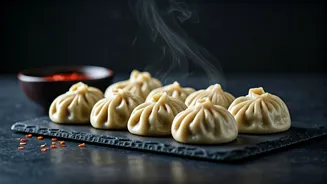
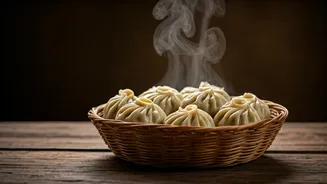
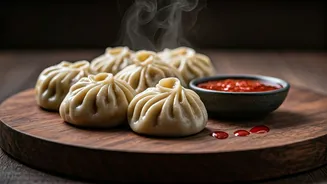
In the age of Instagram, we eat with our eyes first, and homemade momos are incredibly photogenic. A beautifully arranged platter of uniform, intricately folded dumplings, glistening from the steam, next to a bowl of vibrant red chutney is prime content. There's a certain pride and 'bragging rights' associated with mastering the perfect momo fold—be it the classic half-moon or the more complex round pleat. Food bloggers and home cooks alike have flooded social media with tutorials and pictures, creating a self-perpetuating cycle of inspiration. Seeing a friend’s successful attempt is often the final push someone needs to try it themselves.