






What Is Hydroponics, Exactly?
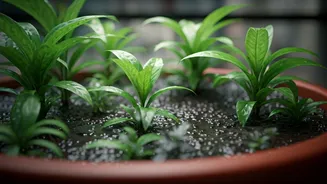
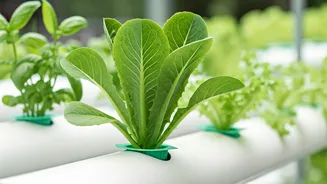
At its core, hydroponics is the practice of growing plants without soil. Instead of getting nutrients from the earth, plants are grown in an inert medium like rockwool, clay pellets, or even just air, while their roots are fed a nutrient-rich water solution.
This method gives the plant exactly what it needs, directly at the roots, allowing it to focus its energy on growth rather than searching for food in the soil. Think of it as a personalised meal delivery service for your plants, ensuring they get the perfect balance of minerals and hydration.
Why Is Everyone Talking About It Now?
Hydroponics isn't new, but it's having a major moment. Several factors are driving this trend, especially in India. Rapid urbanisation means less space for traditional gardens, making space-saving vertical hydroponic systems a perfect fit for balconies and rooftops. There's also a growing desire for fresh, pesticide-free food, and a hydroponic setup gives you full control over what goes into your plants. Furthermore, this method is remarkably water-efficient, using up to 90% less water than traditional agriculture because the water is often recirculated. In a water-conscious country, this is a significant advantage. The Indian hydroponics market is projected to grow substantially, reflecting this rising interest from both home gardeners and commercial farmers.
The Good, The Bad, and The Green
Like any technology, hydroponics comes with its own set of pros and cons. On the plus side, plants often grow faster and produce higher yields in a controlled hydroponic environment. You can grow year-round, unbothered by seasons, and since there’s no soil, you can say goodbye to weeding and soil-borne pests. However, there are hurdles. The initial setup cost for pumps, containers, and lights can be higher than for a traditional garden. The system relies on electricity, so power outages can be a problem without a backup. There's also a learning curve; you'll need to monitor pH levels and nutrient concentrations to keep your plants healthy. While waterborne diseases can spread quickly if a system gets contaminated, the risk of pests is much lower than in soil.
Getting Your Feet Wet: A Beginner's Guide
The thought of setting up a system can be intimidating, but starting is easier than you think. For beginners in India, simple systems like Deep Water Culture (DWC) or a vertical tower are great starting points. A DWC system can be as simple as a bucket, a lid with a hole, a net pot to hold the plant, and an aquarium air pump to oxygenate the water. For those with limited floor space, vertical towers are an excellent choice. To start, you'll need a container, a growing medium (like cocopeat, which is readily available), a hydroponic nutrient solution, and seeds. The best first crops for beginners are leafy greens like spinach and lettuce, and herbs like mint and basil, as they are forgiving and grow quickly.
More Than Just a Hobby
While starting a small hydroponic garden at home is a rewarding hobby, the technology's potential goes much further. It represents a major step towards sustainable urban agriculture and food security. By allowing us to grow food in warehouses, on rooftops, and in other non-traditional spaces, hydroponics reduces our reliance on long-distance food transportation and its associated carbon footprint. As technology becomes more affordable and accessible, growing your own fresh produce is no longer a distant dream but a practical reality for city dwellers. It empowers individuals and communities to take control of their food source in a clean, efficient, and sustainable way.