




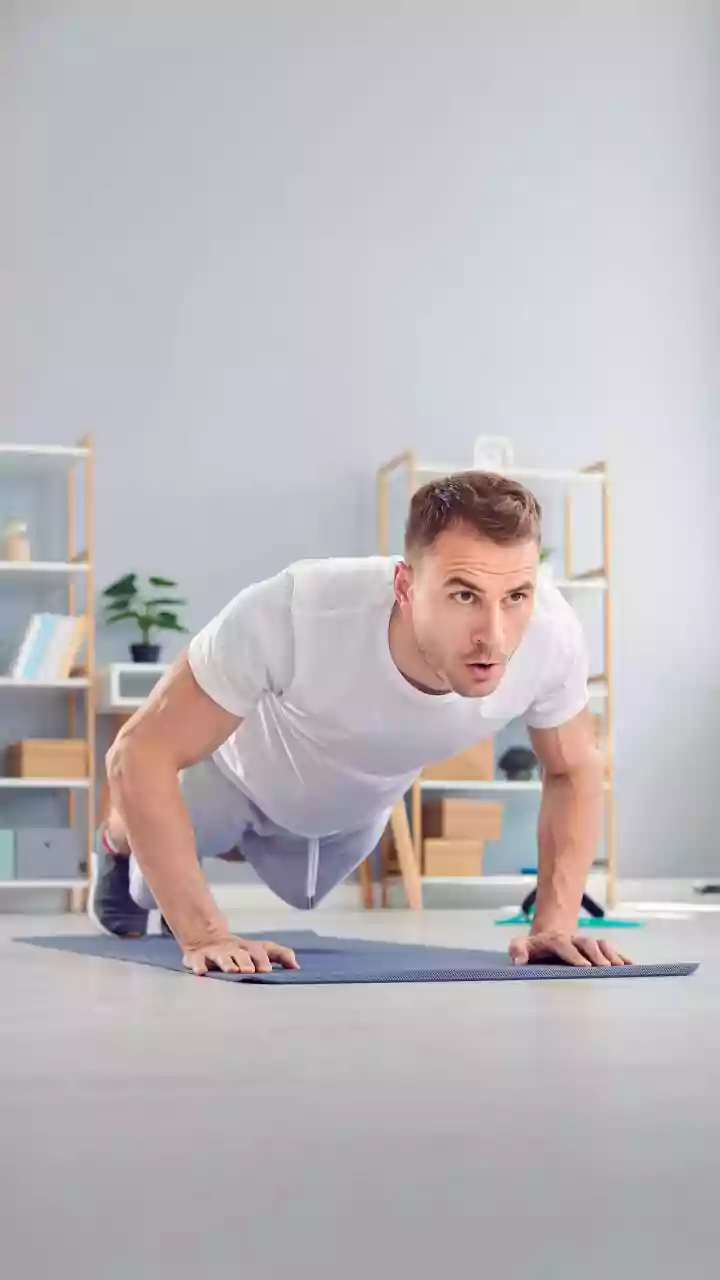



Meet NEAT: Your Body’s Silent Calorie Burner
Let's break down a simple term with a big impact: NEAT, or Non-Exercise Activity Thermogenesis. It’s a scientific way of describing the energy you use for everything that isn't formal exercise, eating, or sleeping. This includes walking to your car, typing
at a computer, doing household chores, gardening, and even fidgeting. While your 30-minute workout (known as Exercise Activity Thermogenesis, or EAT) is important, NEAT accounts for a much larger chunk of your day. For most people, NEAT can make up anywhere from 15% to 50% of their total daily energy expenditure, depending on their lifestyle.
Why Small Movements Matter So Much
It’s easy to dismiss a walk to the mailbox or the decision to take the stairs. But these minor activities accumulate. Research has shown that the difference in daily NEAT between two people of a similar size can be staggering—sometimes up to 2,000 calories. This largely explains why someone with an active job, like a nurse or a construction worker, burns significantly more calories than someone with a sedentary desk job. Studies have found that obese individuals tend to be seated, on average, for two hours more per day than their lean counterparts. Adopting the movement habits of more active people could lead to burning an extra 350 calories or more per day. Over a year, that kind of consistent, small effort can have a major influence on weight management and overall health.
Simple Ways to Increase Your NEAT
Boosting your NEAT doesn't require a major life overhaul. It's about finding small opportunities to move more throughout your day. Start with these simple swaps: At Work: Stand up while taking phone calls or in meetings. Walk over to a colleague's desk instead of sending an email. If you have a desk job, consider a standing desk, which can burn around 50 more calories per hour than sitting. At Home: Do your own chores like vacuuming, washing the car, or gardening—these activities can burn over 100-200 calories in 30-60 minutes. Play actively with your kids or pets instead of watching from the sidelines. Even simple things like cooking and tidying up contribute. * While Out and About: Always choose the stairs over the escalator or elevator. Park in a spot that’s farther from the entrance. If you use public transport, stand instead of sitting. Turn a catch-up call with a friend into a walk-and-talk.
From Action to Automatic Habit
The key to making NEAT work for you is consistency. The goal is for these small activities to become so ingrained in your routine that you don't even think about them. Start small. Pick one or two new habits to focus on this week. Maybe it's taking a five-minute walking break for every hour you sit. Or perhaps it's committing to always taking the stairs for any journey less than three floors. Once those feel automatic, add another. These low-impact movements are easier to stick with long-term than an intense new workout plan, which makes them a powerful tool for sustained health. The increased blood flow and muscle activation also help counteract the negative health effects of a sedentary lifestyle, such as risks for heart disease and type 2 diabetes.