




The Heart of the Matter: Calorie Burn and Intensity
When it comes to cardiovascular benefits, the key is raising your heart rate and keeping it there. Both dancing and swimming are excellent at this, but the intensity is what truly counts. Vigorous swimming laps can be an incredible calorie-burner, pushing
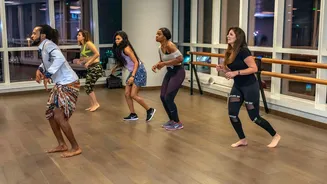
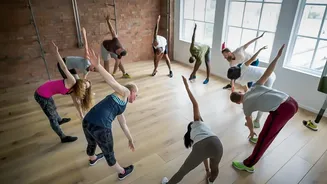
your heart and lungs to work efficiently. Similarly, a high-energy dance class like Zumba or even lively street dance can burn a significant number of calories, sometimes even more than a moderate swim. A University of Brighton study found that the constant acceleration and deceleration in dance styles like contemporary and swing demands a huge amount of energy. The simple truth is that a leisurely swim won't match the cardio output of a high-octane salsa class, and a slow waltz won't compare to vigorous lap swimming. The winner in this category depends entirely on how hard you push yourself.
A Full-Body Affair: Muscle Engagement
Swimming is often praised as the ultimate full-body workout, and for good reason. The water's resistance forces you to use nearly every major muscle group, from your arms and shoulders to your core and legs, all while building strength and endurance. This makes it exceptionally efficient for toning your entire body. Dancing, however, offers a different kind of muscular benefit. Different styles target different muscles. A ballet class, for instance, heavily engages the quadriceps and improves balance and coordination, while swimming can strengthen the opposing hamstrings, potentially reducing the risk of overuse injuries for dancers. The varied, multi-directional movements in dance—side-to-side, up-and-down—activate smaller stabiliser muscles that are often neglected in more linear exercises like lap swimming.
Joint-Friendly Fitness: The Impact Factor
Here, swimming has a clear advantage. The buoyancy of water supports your body, making swimming a virtually zero-impact exercise. This makes it an ideal choice for individuals with arthritis, joint pain, injuries, or mobility issues. It allows you to get a fantastic cardiovascular workout without putting stress on your knees, hips, and ankles. Dancing's impact varies widely by style. Low-impact forms like ballroom dancing are gentle on the joints and accessible to people of all ages. However, high-impact styles that involve a lot of jumping, like some forms of hip-hop or aerobics, can be tough on the joints for some people. For those who need to protect their joints, swimming is the safer, more consistent bet.
Accessibility, Cost, and the Fun Factor
Practicality plays a huge role in consistency. Swimming requires access to a pool, which may involve membership fees and travel. Dancing, on the other hand, can be done almost anywhere. You can join a class, go out with friends, or simply turn up the music in your living room for free. The social aspect of dancing is also a powerful motivator for many, offering a sense of community and reducing stress. Studies have shown that dancing can improve your mood, reduce feelings of fatigue, and create an 'energising effect' similar to a runner's high. While swimming can also be a meditative and stress-reducing activity, the sheer joy and social connection of dancing make it a highly sustainable option for those who thrive on fun and interaction.