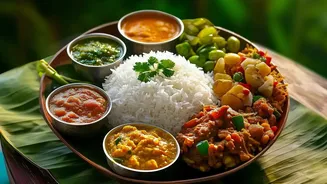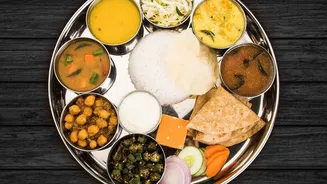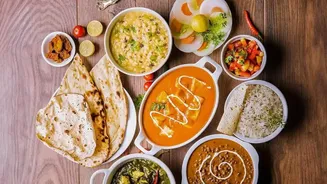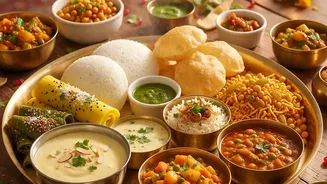






The Challenge with Indian Diets
The primary issue is that very few foods naturally contain significant amounts of Vitamin D. For a country where a large portion of the population is vegetarian, this problem is even more pronounced. The most potent natural sources of Vitamin D are non-vegetarian,
and even then, they are not always part of a daily diet. Most common Indian staples like lentils, rice, wheat, and the majority of vegetables have negligible to no Vitamin D, making it nearly impossible to meet daily requirements through a traditional diet alone.
Non-Vegetarian Powerhouses: The Fatty Fish
For non-vegetarians, fatty fish are the undisputed champions of Vitamin D. Varieties like salmon, mackerel (bangda), and sardines (mathi) are packed with it. Hilsa (ilish), a fish popular in Bengali and Odia cuisine, is also an excellent source. A single serving of fatty fish a few times a week can significantly boost your Vitamin D levels. Egg yolks also contain Vitamin D, though in much smaller amounts compared to fatty fish. For those who eat eggs, they offer a consistent, albeit modest, contribution.
Vegetarian Options: Few and Far Between
Natural vegetarian sources of Vitamin D are extremely limited. The most notable exception is mushrooms, but with a critical catch: they must be exposed to UV light. Standard, commercially grown mushrooms have very little Vitamin D. However, when mushrooms like button or shiitake are exposed to sunlight or a UV lamp, they can generate a substantial amount of Vitamin D2. Some cheeses contain small amounts, but they are not a reliable source to depend on for your daily needs.
The Rise of Fortified Foods
Recognizing the widespread deficiency, food fortification has become a key strategy in India. Many brands now add Vitamin D to everyday staples. Fortified milk is one of the most common and reliable sources available to vegetarians. Beyond milk, other dairy products like yogurt (dahi) and some plant-based milks (soy, almond) are also frequently fortified. It's also increasingly common to find fortified breakfast cereals and even edible oils, which help add small but consistent amounts of the vitamin to the diet. Always check the nutritional label to see if a product is fortified.
Beyond the Plate: Sunlight is Still Key
While diet can help, it often can't solve a deficiency alone. The most effective way for the body to get Vitamin D is through direct sun exposure. Our skin produces Vitamin D when exposed to UVB rays from the sun. In India, the ideal time for this is generally between 11 AM and 3 PM. However, modern indoor lifestyles, pollution that blocks UVB rays, and the fact that darker skin tones produce Vitamin D more slowly mean that even in a sunny country, many people don't produce enough. Just 15-20 minutes of midday sun exposure on the arms and face a few times a week can make a significant difference, but this isn't always practical for everyone.