



The Decline of the ‘Guest-Only’ Room
Many Indians grew up with a clear household rule: the main drawing room was off-limits for daily life. It was a pristine, almost untouchable chamber with perfectly arranged cushions and gleaming surfaces, designed not for the family, but to impress visitors.
That era is fading fast. Designers and homeowners across the country are dismantling this concept, transforming the living room from a performative space into the genuine heart of the home. This shift signals a move away from designing rooms based on a social role—to entertain or announce status—and towards creating spaces that serve the daily experience of the people living in them. The focus is no longer on how affluent a space looks, but on how beautifully it is inhabited.
Why Comfort Is the New Currency
Several factors are driving this change. The pandemic was a major catalyst, forcing homes to become offices, schools, and sanctuaries all at once. When you spend all day in a space, stiff and impractical furniture loses its appeal. This extended time indoors made people prioritize emotional and physical comfort over outdated formalities. Furthermore, the rise of nuclear families in compact urban homes means every square foot has to be functional. A room that is only used a few times a year is a luxury few can afford or desire. Instead, the modern living room must be adaptable, serving as a space for work, relaxation, and family gatherings. This practicality is now seen as the new form of luxury—not about announcing wealth, but about creating an atmosphere of ease and well-being.
The Hallmarks of a Lived-In Space
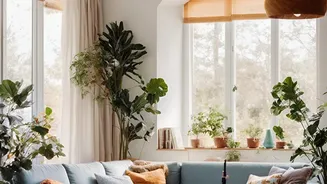
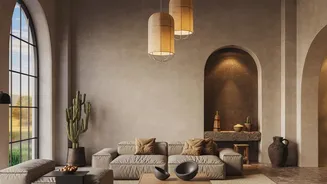
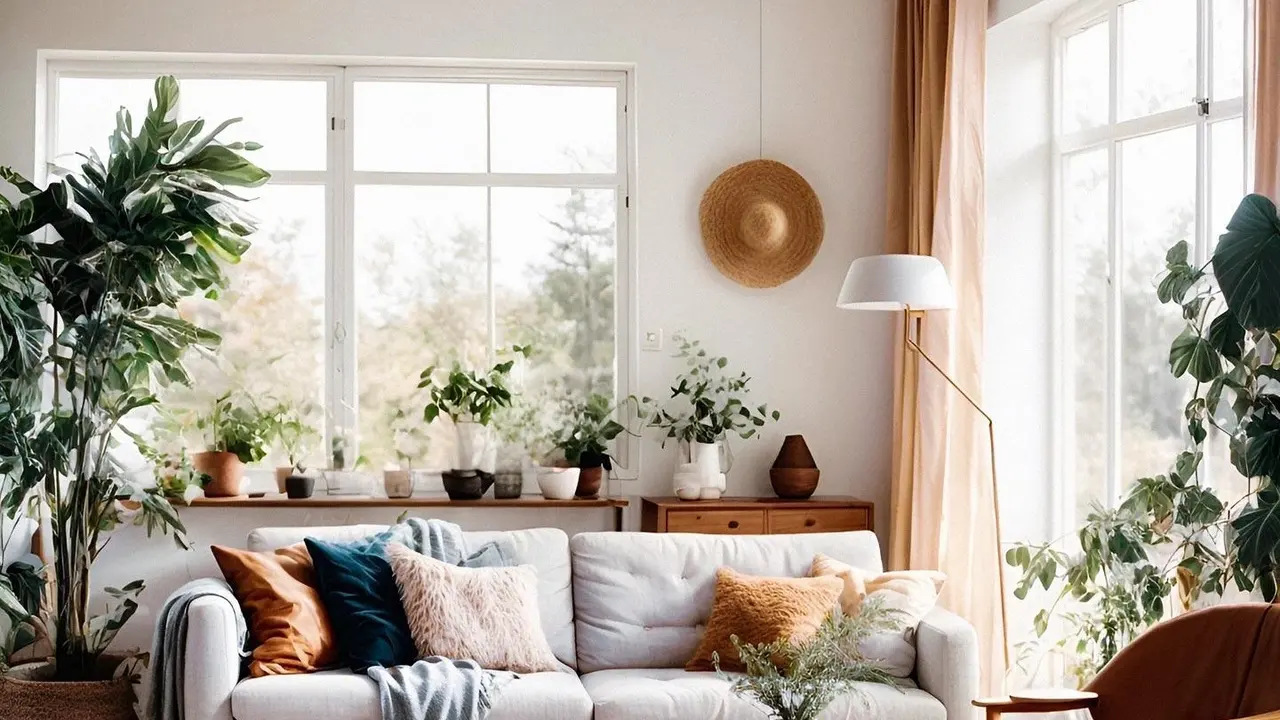
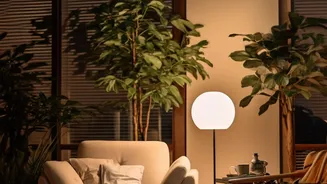
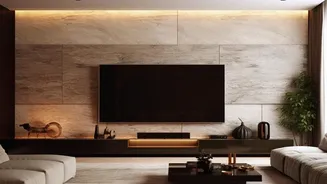
So, what does this new comfortable aesthetic look like? It’s a move toward warmer, more personal, and tactile interiors. Stark grey and white palettes are being replaced by warmer neutrals like beige, sand, and terracotta that feel cozy in Indian light. Sharp, boxy furniture is giving way to softer silhouettes with curves and rounded edges that feel more welcoming and are easier to navigate in smaller spaces. There is a renewed appreciation for natural and handcrafted materials. Solid woods like teak and sheesham are making a comeback, valued for their durability and warmth over high-gloss lacquers. This is complemented by a rise in biophilic design—the integration of nature through indoor plants, better access to natural light, and the use of materials like stone and cane. The goal is to create layers of texture and personality, where curated objects tell a personal story rather than adhering to a single, rigid style.
A Reflection of Changing Values
Ultimately, this shift in living room design is about more than just aesthetics; it’s a mirror of evolving Indian values. Younger generations, particularly millennials and Gen Z, are driving a demand for authenticity and self-expression in their homes. They are less concerned with social hierarchies and more focused on personal well-being, sustainability, and creating spaces that are extensions of their identity. The home is increasingly seen as a personal sanctuary, a place to retreat and recharge, not a stage for social performance. As one designer notes, the focus is shifting from filling space to giving space meaning. This means choosing fewer, better things that will last and evolve with the family, a concept known as "slow interiors." It marks a move from anonymous, trend-driven decor to creating a home that is deeply and authentically personal.