




Understanding Pet Allergies in India
Allergies in pets, much like in humans, are an overreaction of the immune system to substances that are normally harmless. In India, common triggers include environmental factors like pollen, dust mites, and mould, especially during monsoon season. However,
food allergies are a significant, often-undiagnosed issue. Symptoms aren't always a simple tummy ache; they most often manifest as relentless itching, chronic ear infections, paw licking, and skin rashes. The most frequent culprits in Indian pets are not exotic ingredients, but common proteins like chicken, dairy, and wheat, largely because they are so prevalent in commercial kibble and even table scraps.
The Problem with Processed Foods
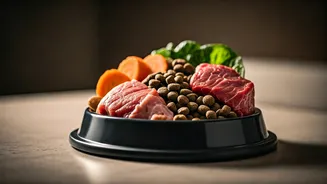
Many commercial pet foods, particularly dry kibble, undergo intense processing at high temperatures. This can alter the structure of proteins, potentially making them more likely to trigger an immune response. These foods also often contain fillers, artificial preservatives, and a long list of ingredients, making it difficult to pinpoint an allergen. Over time, repeated exposure to the same processed protein, like chicken meal in a daily kibble, can cause a pet's system to develop a sensitivity. This is why a pet might suddenly become allergic to a food they have eaten for years.
What is a Fresh Ingredient Diet?
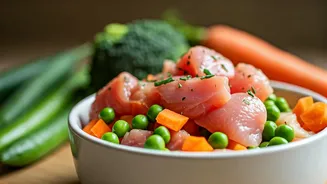
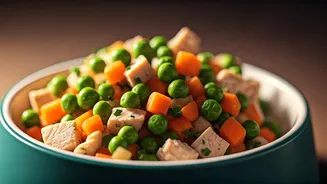
A fresh ingredient diet is exactly what it sounds like: food made from whole, recognizable ingredients that are minimally processed. Think of it as a home-cooked meal for your pet, but one that is nutritionally balanced for their specific needs. These diets typically use human-grade meats, fresh vegetables, and healthy oils, which are gently cooked to preserve their nutritional value. The key benefits are transparent, short ingredient lists and the absence of the artificial additives and chemical preservatives often found in shelf-stable foods.
How Fresh Food Fights Allergies
Fresh diets tackle allergies from several angles. Firstly, they offer better nutrient bioavailability, meaning the nutrients are easier for the pet's body to absorb and use, which supports gut health and a stronger skin barrier. Secondly, these diets are rich in natural anti-inflammatory compounds, such as Omega-3 fatty acids from fish or certain oils, which help calm the inflammatory response that causes itching and redness. Finally, by using a limited number of high-quality ingredients, it's far easier to identify and eliminate potential triggers. Many fresh food options provide access to 'novel proteins'—like duck, rabbit, or venison—that a pet's immune system hasn't encountered before, giving the body a break from common allergens like chicken or beef.
Making the Switch Safely
Transitioning your pet to a new diet should always be done gradually to avoid digestive upset. Start by mixing a small amount of the new fresh food with their old food, slowly increasing the proportion over a week or two. While a fresh diet can be transformative, it's not a magic bullet for every issue. Environmental allergies will still require management, and it can take 8-12 weeks on a strict new diet to see the full benefits for a food-related allergy. Before making any significant dietary change, it is crucial to consult with a veterinarian. They can help rule out other medical issues, provide guidance on choosing a nutritionally complete diet, and ensure the new plan is right for your pet's specific age, breed, and health condition.