




Essential Monsoon Gardening Tips
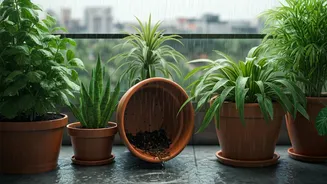
Success in monsoon gardening comes down to a few key principles. Firstly, drainage is critical. The constant rain means pots can easily become waterlogged, leading to root rot. [7, 14] Ensure every container has drainage holes and consider elevating them
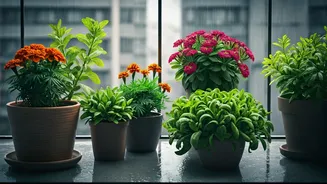
on bricks or stands to let excess water escape. [2] Use a light potting mix; a combination of garden soil, compost, and cocopeat or sand creates a medium that holds nutrients without becoming soggy. [2, 10] Finally, while the humidity is great for growth, it also encourages pests and fungal diseases. [17] A preventative spray of neem oil every couple of weeks can keep your plants healthy. [2]
Hibiscus (Gudhal)
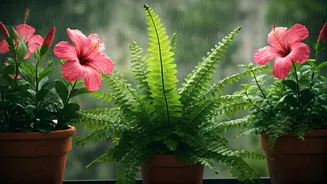
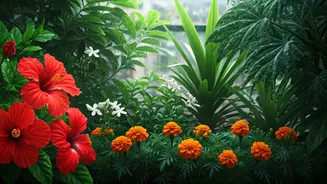
The quintessential tropical flower, Hibiscus, bursts into vibrant bloom during the rainy season. [3, 4] It absolutely thrives in the high humidity and regular moisture that the monsoon provides, rewarding you with large, colourful flowers. [8] These plants are perfect for a sunny balcony spot and do well in large containers. [6, 15] While they love moisture, ensure the pot has good drainage to prevent waterlogging. [8] Regular pruning, especially in the early monsoon, can encourage a bushier shape and even more flowers. [8]
Marigold (Genda)
Marigolds are one of the hardiest and most cheerful additions to a monsoon garden. [3] Available in vibrant shades of yellow and orange, they are incredibly low-maintenance and can withstand heavy rains provided the soil drains well. [7, 9] A major benefit of planting marigolds is their natural ability to repel pests, making them a great companion for other plants on your balcony. [2, 3] They are easy to grow from seeds and will bloom profusely throughout the season, adding a bright, festive touch to your space. [9, 15]
Money Plant (Pothos)
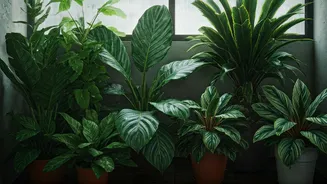
For those with shaded balconies or who prefer indoor greenery, the Money Plant is an unbeatable choice. It is one of the easiest plants to grow and is particularly happy with the increased humidity of the monsoon months, which encourages faster growth. [4, 11] Known for its air-purifying qualities, this trailing vine is incredibly versatile and forgiving. [7] You can grow it in soil or even just in a bottle of water. [16] It's perfect for a busy gardener as it tolerates a bit of neglect and doesn't require direct sunlight. [11]
Holy Basil (Tulsi)
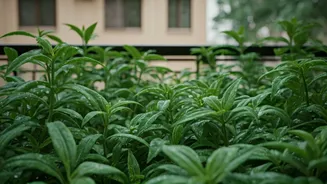
A staple in many Indian households, Tulsi is not just a medicinal herb but also an easy-to-grow monsoon plant. [5, 13] It flourishes in the rainy season, though it's important to ensure it's in a pot with excellent drainage, as its roots don't like to be constantly waterlogged. [5] Place it in a spot with indirect sunlight, shielded from the heaviest downpours. [5] Besides its cultural and health benefits, having fresh Tulsi on hand for your morning tea on a rainy day is a reward in itself.
Periwinkle (Sadabahar)
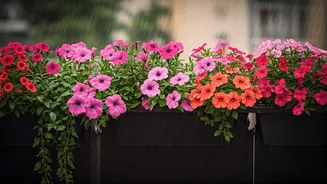
True to its name, which means 'evergreen', the Periwinkle is an incredibly resilient flowering plant. It is known for its ability to tolerate both heavy rains and dry spells, making it ideal for the unpredictable Indian weather. [7] It blooms with cheerful flowers throughout the year, providing continuous colour for your balcony with very little maintenance required. [7, 14] It works well in pots and can handle either full or partial sun, making it a versatile and stress-free option for any urban gardener.
Rain Lily
As the name suggests, the Rain Lily is a magical monsoon plant. These small, bulbous plants have a charming habit of bursting into bloom right after a spell of rain. [3, 7] They produce delicate, beautiful flowers in shades of pink, white, or yellow. [3] Rain Lilies are extremely low-maintenance and are perfect for small pots or as border plants in larger containers. [2] They are an enchanting addition that truly captures the spirit of the rainy season without demanding any of your precious time.