






Decoding the July PMI Figures
India's manufacturing sector showed continued but slower growth in July 2026. The HSBC India Manufacturing Purchasing Managers’ Index (PMI) registered at 53.5. While this is a dip from June's 54.2 and marks the slowest expansion since August 2021, it's
important to note what this number signifies. Any reading above 50 on the PMI scale indicates expansion in the manufacturing sector, and July marked the 57th consecutive month of growth. So, while the pace has moderated, the sector is still firmly in a growth phase, not a contraction.
What's Driving the Growth?
The expansion, although softer, was supported by several key factors. Companies reported a sustained rise in new orders, buoyed by resilient domestic demand and advertising efforts. A particularly bright spot was the acceleration in new export orders, with stronger demand coming from a diverse range of countries including Canada, Egypt, Indonesia, South Africa, and the UAE. This suggests that Indian manufactured goods remain competitive on the global stage. Furthermore, supply chain conditions saw a notable improvement, with input delivery times shortening at a near-record pace. This easing of bottlenecks allowed firms to increase their purchases and rebuild inventory buffers.
The Rise of Cautious Sentiment
Despite the positive headline number, there are clear signs of caution clouding the future outlook. The slowdown in growth was attributed to challenging market conditions and softer client interest for certain products. This led to total sales growing at one of the slowest rates in over four years. Consequently, hiring has also lost momentum. While companies continued to add jobs for the 29th straight month, the rate of employment growth was the slowest in that entire period, indicating that firms are becoming more hesitant to expand their workforce aggressively.
Headwinds on the Horizon
Several factors are contributing to this guarded optimism. While input cost inflation eased to a five-month low, persistent price pressures, especially for transportation, remain a concern for manufacturers. More significantly, economists have pointed to renewed geopolitical tensions, particularly in West Asia, as a source of fresh uncertainty that could disrupt the recent improvements in supply chains. This external risk, combined with a moderation in domestic demand, is forcing companies to be more prudent in their planning. The slowdown in job creation and input purchasing reflects this wait-and-see approach.
The Big Picture for the Indian Economy
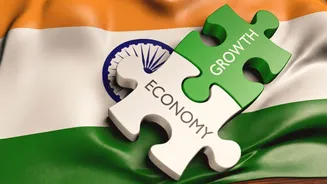
The July PMI data paints a nuanced picture of an economy navigating a complex global environment. The manufacturing sector remains a vital pillar of growth, but it is not immune to domestic and international pressures. The combination of solid export performance and easing supply chains provides a strong foundation. However, the deceleration in domestic sales and hiring serves as a timely reminder of the challenges ahead. While overall business sentiment reportedly saw a mild recovery from June's low, with firms hopeful about future demand and infrastructure projects, the dominant mood is one of cautious navigation rather than unchecked expansion. This balance between current strength and future risk will be critical for policymakers and business leaders to manage in the coming months.