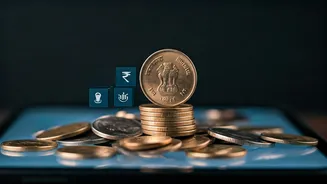









The Digital Gullak You Didn't Know You Had
Remember the childhood joy of dropping spare coins into a 'gullak' or piggy bank? The weight of it after a few months was a satisfying symbol of patience and saving. The 'round-up' savings method is the 21st-century digital version of that very habit.
It’s a simple, automated micro-saving technique designed for our increasingly cashless lives. The core idea is to save the small, almost unnoticeable amounts of money left over from your daily digital transactions. Instead of consciously setting aside a large sum, which can feel daunting, this method makes saving a passive and effortless byproduct of your regular spending.
How Round-Up Savings Work With UPI
The mechanism is brilliantly simple. You connect your UPI account to a specialised fintech app that offers the round-up feature. Then, every time you make a payment using UPI, the app works its magic in the background. For example, let's say you buy a coffee for ₹184. The app will automatically round this transaction up to the nearest convenient number, usually the next ₹10 or ₹100, as per your settings. In this case, it might round up to ₹190. The actual payment for the coffee is still ₹184. The extra ₹6, which is the 'digital spare change', is then automatically debited from your bank account and transferred into a savings or investment pot within the app. You spent ₹184, but you saved ₹6 without a second thought.
Where Does The 'Change' Go?
This isn't just about putting money aside; it's about making that money work for you. The rounded-up amounts aren't sitting idle in a simple wallet. Most of these fintech platforms automatically invest your micro-savings into relatively stable assets. The most common vehicle is digital gold, where your small contributions buy tiny fractions of 24K gold. As you keep making transactions, your gold holdings grow bit by bit. Other apps might offer options to invest in low-risk mutual funds or government securities. This approach combines the discipline of saving with the potential for long-term growth, turning your spare change into a real, appreciating asset over time. It’s a gentle introduction to the world of investing for those who might find it intimidating.
Popular Apps That Do The Work For You
The Indian fintech ecosystem has several players that have embraced this model. Apps like Jar, Deciml, and Multipl are prominent names in this space, each offering a slightly different flavour of the same core concept. Typically, the setup process involves downloading the app, granting it permission to read your transaction SMS messages to detect UPI payments, and setting up an auto-pay mandate for the rounded-up amounts. These apps are designed to be 'set and forget'. Once configured, they run silently in the background, ensuring your savings grow with every single QR code scan or UPI payment you make. The user interfaces are generally clean and simple, showing you exactly how much you've saved and how your investment is performing.
Does 'Small Change' Really Add Up?
The 'massive money' part of the headline might sound like an exaggeration, but the power of compounding and consistency is real. Let's do some simple math. The average UPI user makes several transactions a day. If each transaction contributes an average of, say, ₹5 to your round-up savings, and you make just four such transactions daily, you're saving ₹20 a day. That might not sound like much, but it translates to ₹600 a month and ₹7,200 a year. If you are a more frequent user, or if your round-ups are larger, this could easily cross ₹10,000 or even ₹15,000 annually. This is money you likely wouldn't have saved otherwise. It's the perfect fund for a year-end holiday, a new gadget, or simply an emergency buffer, built entirely from the digital dust of your daily expenses.