




An Offering Fit for a Goddess
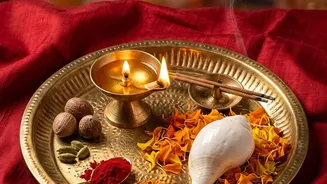
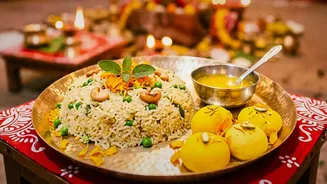
At the heart of Durga Puja lies the tradition of 'bhog'—a sacred food offering made to the Goddess Durga before it is distributed among devotees. This is not just any meal; it is a meticulously prepared vegetarian feast, and sweets form its divine conclusion.
Items like Payesh, a fragrant rice pudding, and classic Bengali confections such as Sandesh and Rasgulla are indispensable parts of the naivedyam (offering). Believed to be a favourite of the Goddess, offering 'mishti' is an act of reverence and devotion. Consuming this 'prasad' (blessed food) is considered an act of purification, a way to receive Durga’s blessings and connect spiritually with the divine. The sweetness on the plate is a direct reflection of the devotion in the heart, making it a crucial element of the worship itself.
A Legacy of Craftsmanship
The pride associated with Bengali sweets is deeply rooted in a history of culinary artistry. While early Bengali sweets were made from jaggery and coconut, the introduction of 'chhana' (fresh cottage cheese) by the Portuguese in the 17th century revolutionised the craft. Confectioners, known as 'mayaras', perfected the art of transforming this simple ingredient into sophisticated delicacies like the delicate Sandesh, often moulded into intricate shapes. This skill, passed down through generations, is a source of immense pride. During Durga Puja, sweet shops work tirelessly, and many families also prepare traditional sweets like Narkel Naru (coconut laddoos) at home, preserving recipes that are part of their cultural identity. Each bite is a taste of history and a testament to a rich, evolving culinary heritage.
The Sweet Language of Community
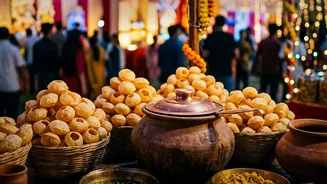
Beyond the rituals, sweets are the language of community and celebration during Durga Puja. The festival is a time for togetherness, and sharing 'mishti' is a fundamental expression of hospitality and warmth. After the immersion of the idol on Vijaya Dashami, the celebration continues with 'Shubho Bijoya' greetings. This is a period when people visit the homes of friends and family, and it is customary to offer sweets to 'sweeten the mouth' ('mishti mukh') and signify goodwill. Exchanging boxes of Sandesh or offering homemade Naru is a cherished tradition that reinforces social bonds. In this context, sweets are not just food; they are facilitators of joy, forgiveness, and the renewal of relationships, embodying the festive spirit of unity.
Iconic Flavours of the Festival
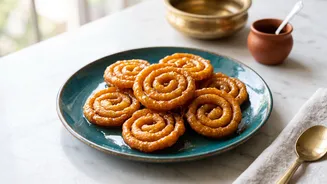
Certain sweets are intrinsically linked to the Durga Puja experience. Sandesh, a delicate sweet made from fresh 'chhena', is a sophisticated classic. Especially popular is the Nolen Gurer Sandesh, made with seasonal date palm jaggery, whose smoky sweetness is synonymous with autumn festivities. Rasgulla, the spongy, syrup-soaked icon, is a symbol of purity and a staple offering. Mishti Doi, or sweet yoghurt, is often served as a cooling, creamy end to the rich 'bhog' meal. Then there are homemade treasures like Narkel Naru, sweet coconut balls that represent prosperity and togetherness. These flavours are more than just treats; they are sensory markers of the festival, evoking nostalgia and a powerful sense of belonging.