


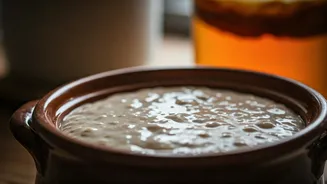
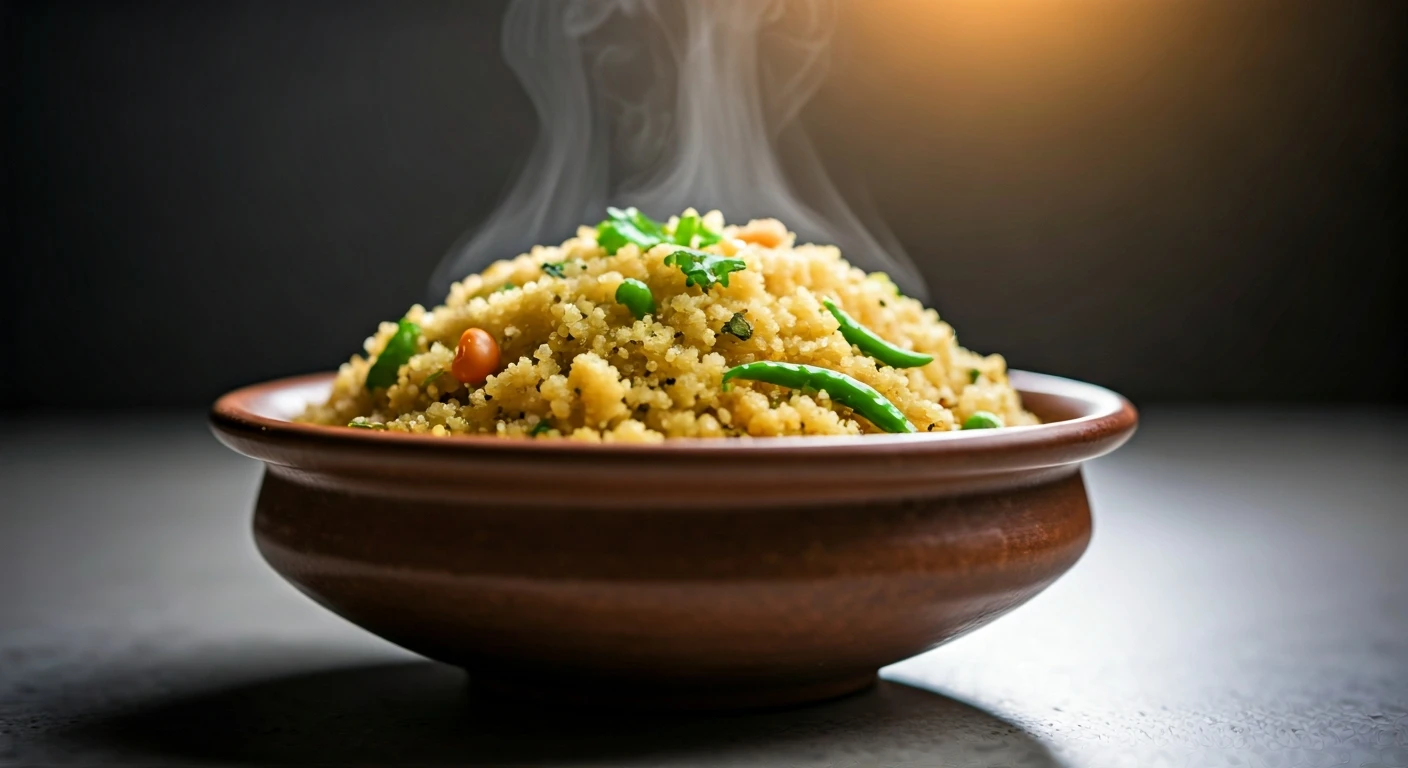


The Unspoken Champion: Khichdi
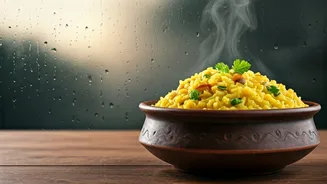
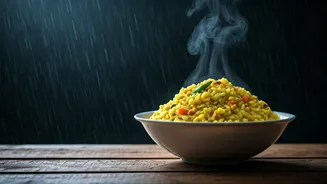
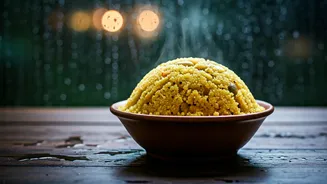
If you were to ask a dozen Indians from different states what they crave on a rainy day or when feeling under the weather, the answers might vary. But one name would surface with remarkable consistency: Khichdi. It’s a dish so simple, so humble, that
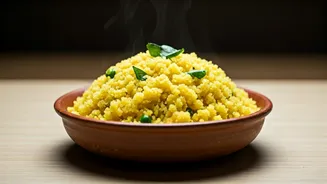
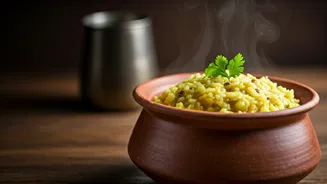
it often flies under the radar in discussions of India’s grand culinary landscape. Yet, this unassuming blend of rice and lentils is arguably the subcontinent's most profound comfort food. It’s not a meal for celebration; it’s a meal for restoration. It’s the culinary equivalent of a soft blanket and a good book, offering warmth, nourishment, and a deep, unspoken sense of well-being. Its magic lies in its simplicity—a perfect balance of carbohydrates and protein that is easy to cook, easy to digest, and infinitely adaptable.
A Dish with Ancient Roots
Khichdi’s legacy is as old as Indian civilisation itself. The Greek king Seleucus’s ambassador, Megasthenes, mentioned a popular rice-and-pulse dish during his travels in India around 300 BC. The Moroccan traveller Ibn Battuta wrote about 'kishri' in the 14th century, describing it as a staple meal made with rice and mung beans. Even the Mughals, known for their lavish and meat-heavy cuisine, had a soft spot for it. Emperor Jahangir was particularly fond of a spiced version, the 'Lazizan', which was enriched with ghee, pistachios, and raisins. Ayurvedic texts have long praised Khichdi as a 'Tridoshic' food, meaning it balances all three doshas (Vata, Pitta, Kapha) in the body, making it a cornerstone of recuperative diets. This long, storied history embeds Khichdi deep within our cultural DNA, transforming it from mere food into a form of edible heritage.
The Psychology of a Simple Meal
Why does this modest dish hold such emotional power? The answer lies in its association with care. For millions, Khichdi is the taste of a mother’s love, the first solid food fed to them as a baby, and the gentle meal prepared during illness. It represents a retreat from the complexities of life and flavour. Unlike a fiery curry or an intricate biryani that demands your full attention, Khichdi asks for nothing. It soothes. This psychological comfort is its primary ingredient. It’s a reset button for the palate and the soul, a reminder that nourishment doesn't have to be complicated to be complete. In a world of culinary excess, the minimalism of Khichdi is a radical act of self-care.
One Name, a Thousand Faces
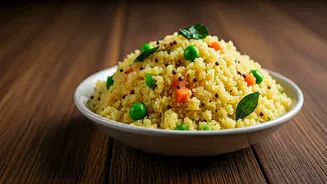
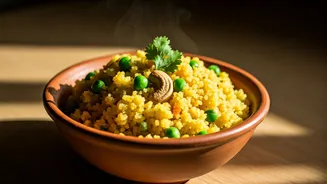
To say 'Khichdi' is to speak of a concept more than a single recipe. Its genius is its versatility, allowing it to take on the character of every region it touches. In Bengal, the 'khichuri' is often a lush, semi-liquid affair, enjoyed with fried fish or 'begun bhaja' (fried brinjal), especially on rainy afternoons. In Gujarat, 'vaghareli khichdi' is a spicier, drier version tempered with mustard seeds and curry leaves. The South has its own beloved iterations, like Tamil Nadu's 'Pongal', a creamy mix of rice and moong dal seasoned with black pepper and cumin, and Karnataka’s 'Bisi Bele Bath', a rich, tangy concoction with vegetables and a special spice blend. From the 'gehun ki khichdi' in Haryana made with wheat to the Hyderabadi 'khichdi' served with 'kheema' (minced meat), the dish is a testament to India's unity in diversity.
The Four Loyal Companions
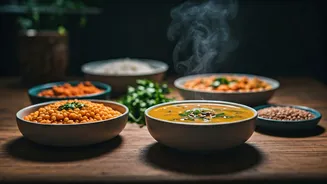
A bowl of Khichdi is rarely served alone. It arrives with its 'chaar yaar'—its four loyal friends—that elevate it from a simple meal to a complete experience. First, a generous dollop of pure ghee, melting into golden pools, adds richness and an irresistible aroma. Second, a spoonful of cool dahi (curd) provides a tangy contrast to the warm grain. Third, a crispy papad, whether roasted or fried, offers a delightful crunch. And finally, a sliver of pungent achaar (pickle) cuts through the mildness with a burst of spice and flavour. This quartet of accompaniments is non-negotiable for many, a ritual that completes the act of comfort.